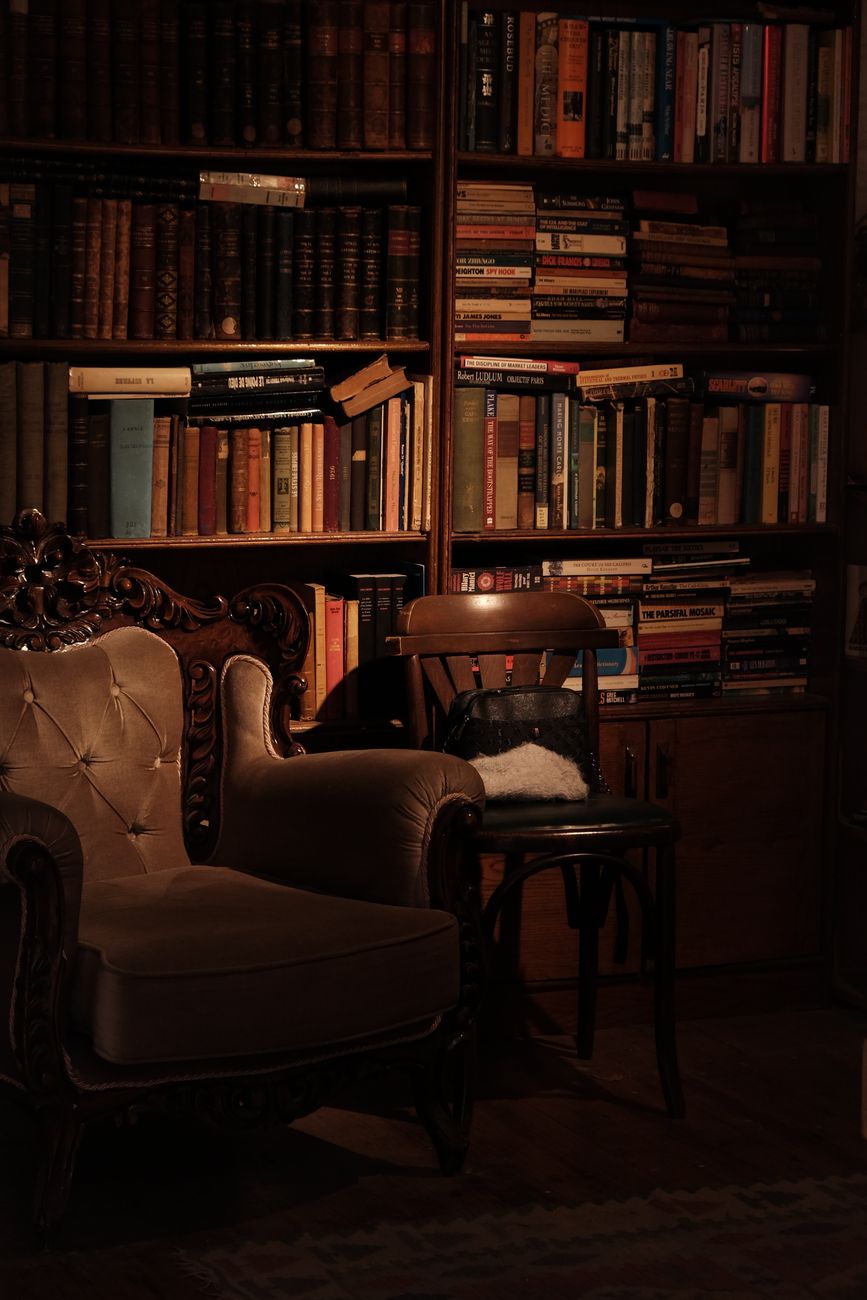
In an age dominated by smartphones, streaming platforms and digital entertainment, something rather traditional is continuing to hold its appeal: the home library. From carefully arranged bookshelves in living rooms to dedicated reading rooms and cosy corners filled with favourite novels, books are becoming an increasingly valued part of how people design and experience their homes.
A home library does not necessarily require a large room, expensive furniture or hundreds of books. For some, it is a simple bookshelf beside an armchair. For others, it is an entire room dedicated to literature, learning and quiet reflection. Whatever its size, the growing appreciation of personal book collections reflects something important about our relationship with reading and the spaces in which we live.
More Than Just a Collection of Books
A home library is about considerably more than storing books. It creates an environment where curiosity, imagination and learning can become part of everyday life.
Having books readily available can encourage people to read more frequently, explore unfamiliar subjects and revisit stories that have influenced them. Unlike digital content, which can disappear into an endless stream of notifications and recommendations, a physical book collection provides something permanent and personal.
Research supports the value of having books in the home, particularly during childhood. The National Literacy Trust has repeatedly identified an association between book ownership and greater reading enjoyment and frequency among children and young people.
Its 2024 research found that 9.8% of children and young people aged between five and eighteen reported having no book of their own at home. The findings also highlighted the relationship between access to books and positive reading habits.
This suggests that a home environment containing books can play an important role in encouraging a lasting interest in reading.
The Appeal of a Personal Reading Space
One reason home libraries remain attractive is the opportunity to create a space away from the distractions of modern living.
Many households are filled with televisions, computers and mobile devices, making it increasingly difficult to find moments of uninterrupted quiet. A dedicated reading space offers an alternative, encouraging people to slow down and spend time with something that requires attention rather than constant interaction.
A comfortable chair, a reading lamp, a small table and a selection of favourite books can transform even an unused corner into a welcoming personal retreat.
For those fortunate enough to have additional space, a dedicated library can become one of the most distinctive rooms in the home.
Floor-to-ceiling bookshelves, traditional wooden furniture, warm lighting and carefully chosen decorative pieces can create an atmosphere that combines practicality with timeless character.
However, the appeal is not necessarily about luxury. It is about creating an environment that encourages reading and reflects personal interests.
Physical Books in a Digital World
The popularity of e-books and audiobooks has transformed how people access literature. Digital formats offer convenience, portability and access to enormous collections without requiring physical storage.
Nevertheless, physical books continue to have a place in modern households.
Many readers appreciate the experience of holding a book, turning its pages and seeing their personal collection develop over time. Books can also carry sentimental value, particularly when they have been inherited, gifted or associated with important periods in someone’s life.
A well-used bookshelf often tells a story about its owner. It might contain classic literature, biographies, historical accounts, travel writing, philosophy, crime fiction or contemporary novels.
Unlike a purely decorative object, every book represents an opportunity to revisit an idea, discover a different perspective or experience another world.
The relationship between printed and digital reading does not have to be competitive. Many readers enjoy both, choosing whichever format best suits their circumstances.
A Reflection of Personal Identity
Home libraries can also reveal something about individual personality and interests.
Someone with an extensive collection of historical literature may have a particular fascination with the past, while another person’s shelves might reflect an interest in science, art, psychology or international affairs.
There is no prescribed way to organise a personal library. Some people arrange books alphabetically, others by subject, author or colour. Some prefer an organised and minimalist appearance, while others enjoy shelves filled with books collected over many years.
This freedom makes a home library a particularly personal feature of interior design.
It is also one of the few elements of a home that can evolve continuously. New interests lead to new books, old favourites are rediscovered and collections gradually develop alongside the people who own them.
The Benefits of Making Reading Part of Everyday Life
Reading is associated with a number of potential benefits, including the development of vocabulary, knowledge, comprehension and critical thinking.
For children, access to books can help establish positive reading habits and create opportunities for shared experiences with parents and other family members.
For adults, reading can provide intellectual stimulation, entertainment and an opportunity to step away from everyday responsibilities.
Fiction can introduce readers to unfamiliar experiences and perspectives, while non-fiction can expand knowledge and encourage further investigation into subjects that might otherwise remain unexplored.
A home library makes these opportunities more accessible by keeping reading material within easy reach.
It also creates an environment in which books are visible and valued rather than something that is only encountered occasionally.
Creating a Home Library Without Spending a Fortune
Building a home library does not need to become an expensive project.
Second-hand bookshops, charity shops, book exchanges and public libraries can all provide affordable ways to discover new reading material.
Existing furniture can be repurposed, while inexpensive shelving can provide practical storage. Even a modest collection can become an attractive feature when arranged thoughtfully.
The most important consideration is choosing books that genuinely interest the people who live in the home.
There is little value in creating an impressive-looking collection simply for appearances. A meaningful home library should reflect curiosity, enjoyment and a willingness to explore different subjects.
A Timeless Feature in Modern Living
Perhaps the greatest appeal of the home library is that it represents something increasingly valuable in contemporary life: the opportunity to slow down.
While technology continues to change how information is accessed and entertainment is consumed, books offer an experience that does not depend on algorithms, notifications or an internet connection.
A home library does not have to be grand, fashionable or filled with expensive editions. It simply needs to provide a place where reading has a natural presence in everyday life.
Ultimately, the rise of the home library is about more than interior design. It represents an appreciation for knowledge, imagination, personal interests and the simple pleasure of having a good book within reach.
In a world that rarely seems to stop moving, perhaps one of the most appealing luxuries a home can offer is a comfortable chair, a quiet moment and a bookshelf filled with possibilities.





Leave a Reply