

In a world increasingly shaped by constant notifications, demanding schedules and the pressure to remain productive, a growing number of people are reconsidering what it means to live well. Rather than trying to do more, achieve more and move faster, many are becoming interested in a different approach: slow living.
Slow living is a lifestyle philosophy centred on being more intentional about how time is spent, what receives attention and which things genuinely contribute to personal wellbeing. It is not about abandoning modern life or rejecting technology. Instead, it encourages people to find a healthier balance between responsibilities, personal interests and everyday experiences.
What Is Slow Living?
Slow living is built around the idea that a meaningful life does not necessarily have to be a busy one.
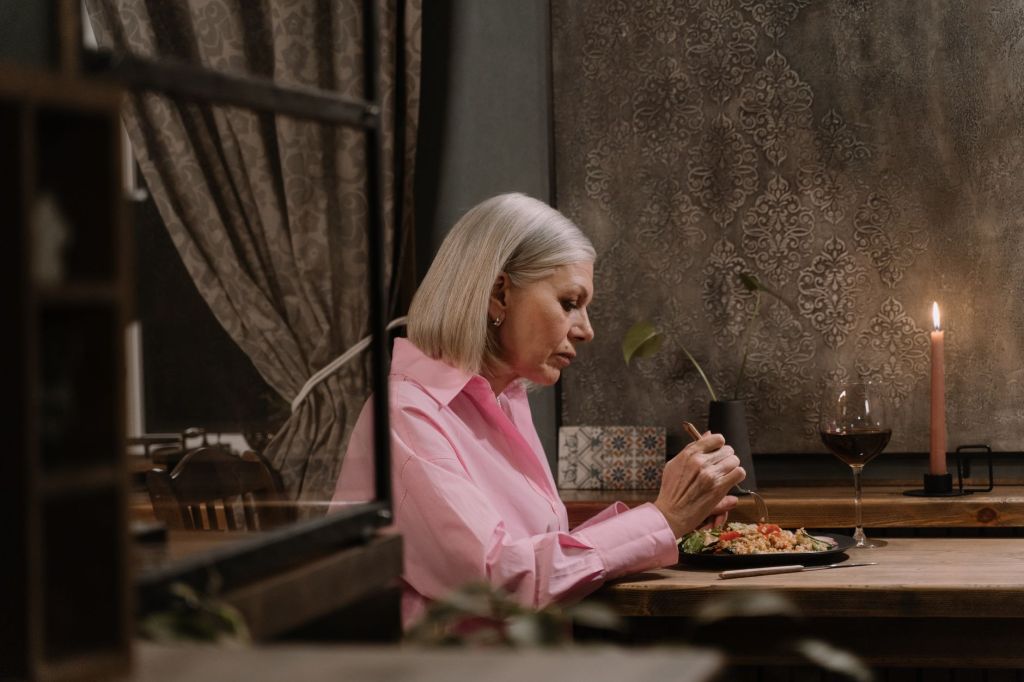
The philosophy encourages individuals to slow down where possible, make conscious decisions and appreciate ordinary moments. This might involve enjoying a meal without distractions, spending more time outdoors, reading a book, preparing food at home or simply allowing time for rest.
Although the movement has connections to the wider Slow Movement, which includes slow food and more considered approaches to consumption, slow living has developed into a broader lifestyle concept.
Its central message is straightforward: quality of life should not be measured solely by productivity.
Moving Away From the Pressure to Always Be Busy
Modern society often places considerable value on achievement, efficiency and constant activity. Work commitments, digital communication and social expectations can make it difficult for people to switch off.
For some, being busy has become associated with success, even when it comes at the expense of personal time and relaxation.
Slow living challenges this assumption by encouraging people to question whether every moment needs to be occupied.
Taking a break, enjoying an afternoon without plans or choosing not to participate in every social activity can become valuable ways of protecting personal time.
It is an approach that recognises rest as an important part of everyday life rather than something that must always be earned.
The Appeal of Simple Everyday Experiences
One of the most noticeable aspects of slow living is its appreciation of ordinary experiences.
Activities that might previously have been treated as routine can become opportunities to reconnect with the present.
Cooking a meal, tending to plants, walking through a local park, listening to music or enjoying a quiet morning can all become meaningful parts of a more intentional lifestyle.
This does not mean that these activities are automatically beneficial for everyone. However, research into mindfulness and wellbeing suggests that paying attention to present experiences can support psychological wellbeing and help people manage everyday stress.
The emphasis is less on purchasing new experiences and more on appreciating what is already available.
Reducing Digital Distractions
Technology has transformed communication, entertainment and access to information. However, the constant availability of digital devices can also make it difficult to concentrate or disconnect.
Slow living often involves establishing healthier relationships with technology.
This might include limiting unnecessary notifications, avoiding phones during meals, creating screen-free periods or choosing to spend an evening reading rather than scrolling through social media.
The objective is not to reject technology but to ensure that it serves a useful purpose rather than dominating everyday routines.
A More Conscious Approach to Consumption
Slow living also connects with changing attitudes towards shopping and consumer culture.
Rather than constantly purchasing new products, the philosophy encourages people to consider what they actually need and whether purchases offer lasting value.
This can involve buying fewer but better-quality items, repairing possessions, choosing second-hand products and reducing unnecessary waste.
These habits can also complement more sustainable approaches to everyday living.
For many people, conscious consumption is not simply about saving money. It is about developing a healthier relationship with possessions and recognising that personal satisfaction does not always come from acquiring more.
Making Time for Health and Wellbeing
A slower lifestyle can also encourage people to pay greater attention to their physical and mental wellbeing.
Regular sleep, balanced meals, movement, relaxation and meaningful social connections all contribute to a healthier lifestyle.
Slow living does not demand an elaborate wellness routine or expensive activities. Small, realistic changes can make a difference.
For example, preparing meals without rushing, taking a daily walk or establishing a more consistent bedtime can help create a greater sense of routine and balance.
Importantly, slow living should not become another set of expectations that people feel pressured to achieve. Its purpose is to reduce unnecessary demands, not introduce additional ones.
Is Slow Living Realistic in Modern Society?
Not everyone has the freedom to slow down whenever they wish. Work, financial responsibilities, family commitments and other circumstances can make it difficult to change established routines.
For this reason, slow living does not have to involve a complete lifestyle transformation.
It can begin with small decisions, such as protecting an hour of personal time, reducing unnecessary commitments or making space for an activity that brings genuine enjoyment.
The philosophy is adaptable. What a slower lifestyle looks like will differ considerably between individuals, depending on their circumstances and priorities.
Finding Value in a Less Rushed Life
The growing interest in slow living reflects a wider conversation about the relationship between time, happiness and modern expectations.
As everyday life becomes increasingly connected and fast-paced, the opportunity to pause and make deliberate choices can become particularly valuable.
Slow living is not about achieving perfection, escaping responsibility or returning to an imagined simpler past. It is about recognising that a fulfilling life can include quiet moments, ordinary routines and time spent doing very little.
Perhaps its greatest appeal is the reminder that life does not have to be measured by how much someone accomplishes in a day.
Sometimes, making time to enjoy the life already being lived can be just as important as deciding what comes next.
The Vion Perspective
At Vion, we recognise that lifestyle is not simply about what people own, where they travel or how much they achieve. It is also about the choices they make, the experiences they value and the time they give themselves.
Slow living offers an interesting reminder that a more meaningful life does not always require more. Sometimes, it begins with doing things a little differently and learning to appreciate the everyday.





Leave a Reply