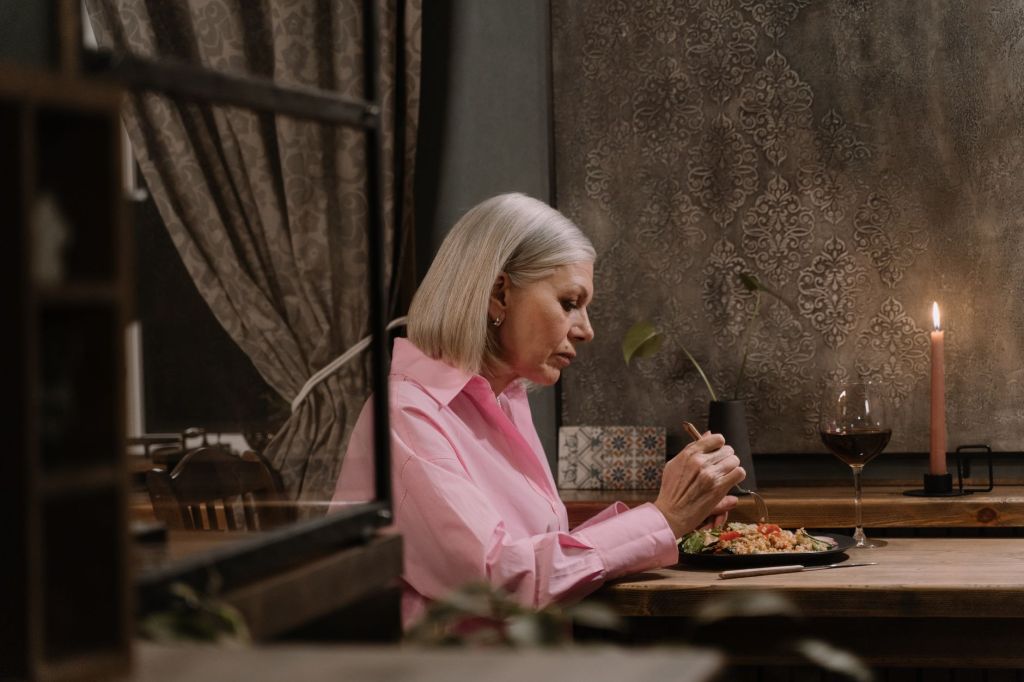
Dining out has traditionally been viewed as a social activity, usually associated with meeting friends, spending time with family or enjoying a meal with a partner. However, attitudes towards eating alone are gradually changing. Solo dining is becoming an increasingly visible part of modern food culture, with more people choosing to visit restaurants, cafés and other dining establishments independently.
What was once sometimes regarded as an uncomfortable or unusual experience is increasingly being recognised as an opportunity for independence, relaxation and personal enjoyment.
A Changing Attitude Towards Eating Alone
One of the biggest changes surrounding solo dining is the growing acceptance of spending time independently in public spaces.
For many years, eating alone in a restaurant carried an unnecessary social stigma. People sometimes worried about how they might be perceived by other customers or staff. However, changing lifestyles and attitudes towards independence have helped challenge these assumptions.
Eating alone is no longer necessarily associated with loneliness. For some, it is simply a personal choice that allows them to enjoy a meal without having to organise plans around other people.
The growth of independent lifestyles, flexible working arrangements and changing social habits has also contributed to the visibility of solo dining.
The Appeal of Personal Freedom
One of the main attractions of dining alone is the freedom it provides.
Individuals can choose where to eat, what to order and how long they wish to stay without having to compromise with others. There is no need to coordinate schedules, agree on restaurant choices or follow somebody else’s preferences.
For people with demanding working lives, a solo meal can also provide a welcome opportunity to slow down and take a break from everyday responsibilities.
Some enjoy reading a book, listening to music or simply observing their surroundings while eating. Others appreciate having uninterrupted time to think and relax.
In this sense, solo dining can become an extension of personal time rather than simply a way of satisfying hunger.
Solo Dining and Modern Lifestyles
Modern working patterns have helped make independent dining more practical.
Remote working, flexible schedules, business travel and increasingly varied daily routines mean that people do not always share the same mealtimes as friends, colleagues or family members.
For individuals travelling alone, eating independently is often a necessity. However, many people are also beginning to choose the experience voluntarily.
Restaurants and hospitality businesses have an opportunity to recognise this changing customer behaviour by creating welcoming environments for individuals as well as larger groups.
Comfortable seating, smaller tables and attentive service can help make solo customers feel equally welcome.
The Connection Between Solo Dining and Wellbeing
Eating alone can also offer opportunities for mindfulness and self-reflection.
Without the distractions of conversation or social expectations, individuals may find it easier to concentrate on their food, appreciate different flavours and enjoy the overall dining experience.
However, it is important to recognise that solo dining is not automatically a wellbeing activity for everyone. Some people genuinely prefer sharing meals with others, while others may find eating alone uncomfortable.
The value lies in having the freedom to choose.
Being comfortable spending time independently can also help people develop greater confidence in public settings. Visiting a restaurant, attending an event or enjoying a coffee alone can become small but meaningful expressions of independence.
How Restaurants Are Responding
The hospitality industry has increasingly recognised the importance of catering for different dining preferences.
Some restaurants have introduced counter seating, individual dining spaces and tasting experiences that work particularly well for customers visiting alone.
The wider growth of food delivery and takeaway services has also changed how people approach eating independently, although these experiences are different from visiting a restaurant.
For hospitality businesses, welcoming solo diners makes commercial sense. A customer visiting alone is still a customer who deserves the same quality of food, service and attention as a larger party.
Creating an inclusive dining environment can help restaurants appeal to a broader audience.
Moving Beyond the Stigma
Perhaps the most significant development surrounding solo dining is the changing perception of what it represents.
Eating alone does not automatically indicate that someone lacks friends, relationships or social connections. It can simply reflect personal preference, convenience or a desire for independence.
There is an important distinction between being alone and feeling lonely. Although the two experiences can sometimes overlap, they are not the same.
As conversations surrounding self-care, independence and personal boundaries become more prominent, solo dining fits naturally into a wider cultural shift towards enjoying one’s own company.
The Future of Solo Dining
Solo dining is unlikely to replace traditional social dining, nor should it. Sharing food remains an important part of relationships, celebrations and everyday social interaction.
However, the growing acceptance of eating independently suggests that people are becoming less concerned about following traditional expectations surrounding how leisure time should be spent.
Whether it is enjoying breakfast in a local café, having lunch during a shopping trip or booking a table at a favourite restaurant, eating alone can be an enjoyable experience in its own right.
Ultimately, the rise of solo dining reflects something broader than changing restaurant habits. It highlights a growing appreciation for personal freedom, independence and the ability to enjoy everyday experiences without needing somebody else to participate.
Sometimes, the most enjoyable meal is simply the one you choose to have yourself.



Leave a Reply