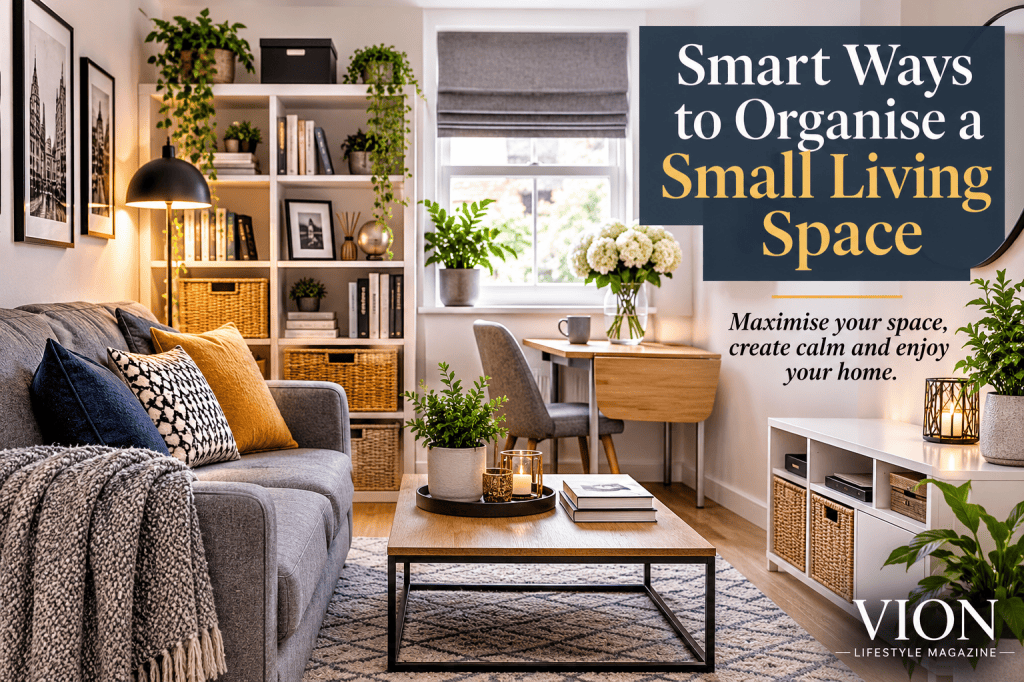
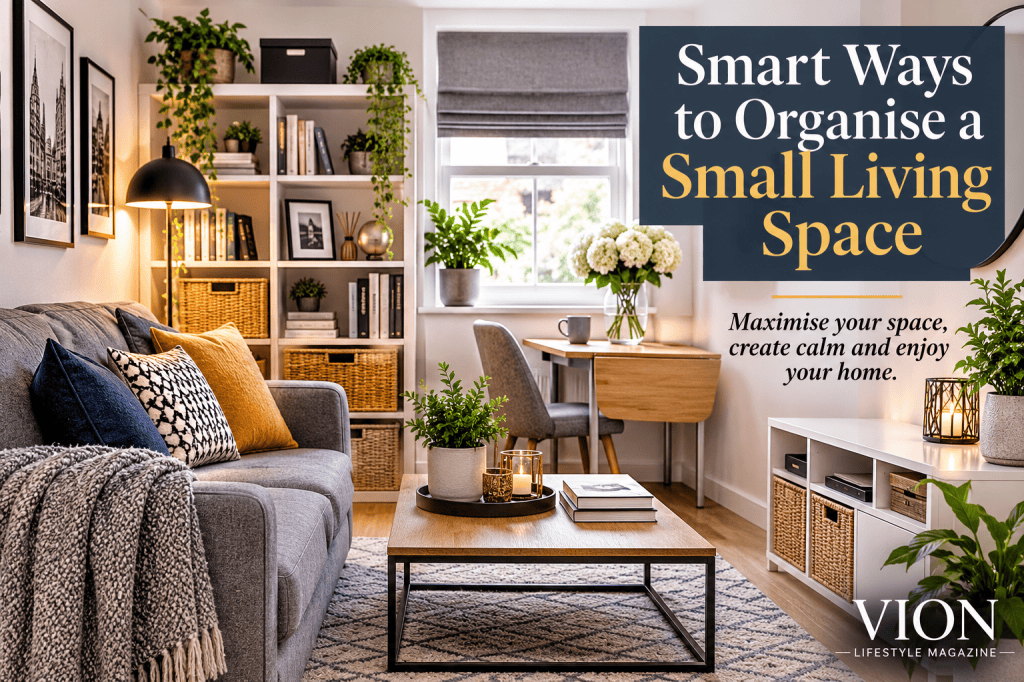
Modern living does not always come with generous amounts of space. Whether living in a compact apartment, a smaller house or simply trying to make better use of an existing room, organising a limited living area can make a significant difference to everyday comfort and practicality.
A well-organised home is not necessarily about having fewer possessions. It is about making thoughtful decisions about how space is used, ensuring that everything has a purpose and creating an environment that feels comfortable rather than overcrowded.
As smaller living spaces become a reality for many households, practical organisation and clever interior choices are increasingly important.
Make Every Space Count
One of the most effective ways to organise a smaller home is to look beyond the obvious storage areas.
Unused corners, spaces beneath beds, areas above cupboards and awkward gaps between furniture can all provide valuable opportunities for additional storage.
Making use of vertical space is particularly useful. Wall-mounted shelves, tall bookcases and floating storage units can provide practical solutions without taking up too much valuable floor space.
Rather than filling every available wall, however, it is worth considering how much storage is genuinely needed. Keeping the arrangement balanced helps prevent a room from feeling cluttered.
Choose Furniture That Works Harder
Furniture plays an important role in how a small living space functions.
Multifunctional furniture can help maximise available room while reducing the need for additional pieces. Storage ottomans, beds with built-in drawers, extendable dining tables and coffee tables with hidden compartments are examples of furniture that combine practicality with everyday use.
Foldable desks and wall-mounted tables can also be useful in homes where a dedicated workspace is not possible.
The objective is to choose furniture that serves a purpose without overwhelming the room.
Declutter Without Losing Your Personality
Clutter can make even a reasonably sized room feel smaller.
Regularly reviewing possessions and deciding what is genuinely useful can help create a more organised environment. Items that are no longer needed can be donated, recycled or passed on where appropriate.
However, organising a home does not mean removing everything that makes it personal.
Photographs, books, artwork and treasured possessions contribute to the character of a living space. The key is finding a balance between keeping meaningful belongings and avoiding unnecessary accumulation.
Thoughtful organisation allows personality and practicality to exist together.
Create Dedicated Areas
In smaller homes, one room may need to serve several different purposes.
A living room might also function as a home office, dining area or reading space. Creating clearly defined zones can make these different activities easier to manage.
A small rug, carefully positioned furniture or a bookcase can help distinguish one area from another without requiring physical partitions.
Keeping work-related items together and storing them away when the working day ends can also help maintain a sense of separation between home and professional life.
Use Light and Colour to Your Advantage
Interior design can influence how spacious a room feels.
Lighter wall colours, natural lighting and strategically placed mirrors can help create a brighter and more open atmosphere.
Mirrors positioned opposite or near windows can reflect natural light, helping a room feel less enclosed.
Choosing furniture with exposed legs can also create a greater sense of visible floor space, while glass or transparent furniture can reduce the visual weight of larger objects.
These choices do not physically increase the size of a room, but they can improve its overall appearance.
Make Storage Part of the Design
Storage does not have to be hidden away or purely functional.
Attractive baskets, decorative boxes, shelving and carefully arranged bookcases can become part of the interior design itself.
Using matching storage containers can create a more consistent appearance, while open shelving provides an opportunity to display selected decorative items alongside practical belongings.
The important consideration is accessibility. Storage should make everyday life easier rather than creating another complicated system to maintain.
Develop Simple Daily Habits
Even the most carefully organised home can become cluttered without regular attention.
Small daily habits can make a noticeable difference. Returning items to their designated places, clearing kitchen surfaces, folding away blankets and dealing with incoming post can prevent minor mess from becoming overwhelming.
A short weekly review of cupboards, drawers and shared spaces can also help maintain organisation over time.
Consistency is often more effective than attempting a major reorganisation every few months.
A Smaller Space Can Still Feel Like Home
Organising a small living space is ultimately about making better use of what is already available.
Clever storage, multifunctional furniture, thoughtful decoration and simple routines can transform the way a home looks and functions.
There is no single approach that works for everyone. Different households have different priorities, possessions and lifestyles. What matters is creating an environment that supports those needs without sacrificing comfort or individuality.
A smaller home does not have to mean a smaller sense of possibility. With a little planning and creativity, even limited spaces can become practical, welcoming and genuinely enjoyable places to live.
The Vion Perspective
At Vion, we believe that good living is not measured by the amount of space someone owns, but by how comfortably and thoughtfully that space is used. Sometimes, the smartest home improvement is not adding more, but making better use of what is already there.





Leave a Reply