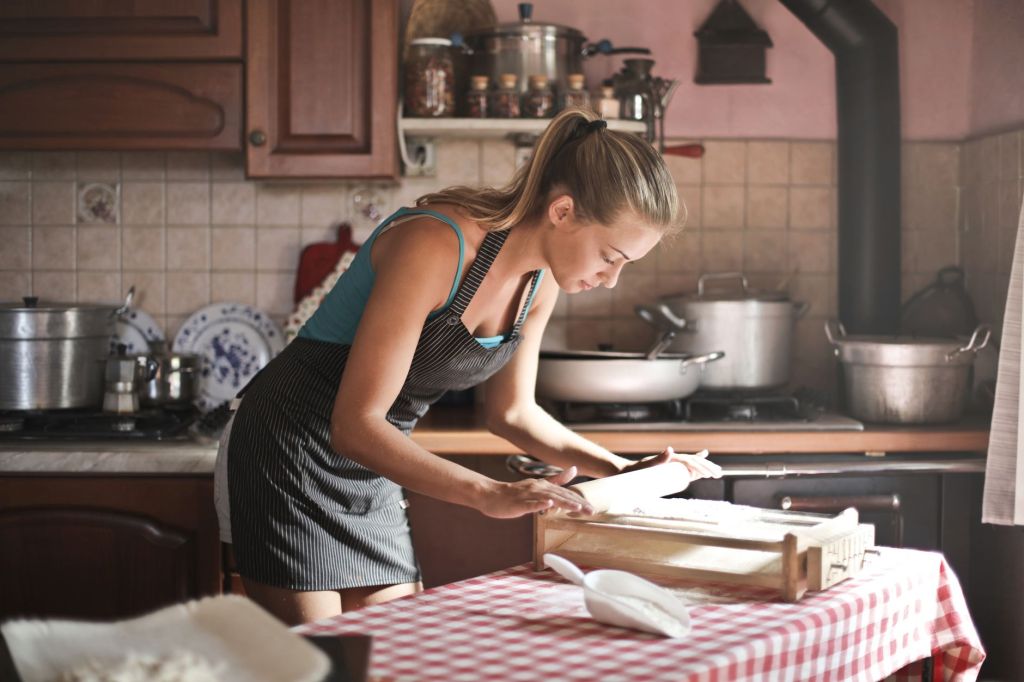
For many years, convenience has played an increasingly important role in the way people eat. Busy working schedules, ready-made meals, food delivery services and the growth of takeaway culture have made it easier than ever to avoid spending time in the kitchen. However, there is a growing appreciation for something much more traditional: cooking at home.
Home cooking is once again becoming an important part of everyday life, with people recognising the financial, nutritional and personal benefits of preparing their own meals.
The Rising Cost of Convenience
One of the biggest reasons people are reconsidering home cooking is the cost of eating out and ordering takeaway food.
Although food delivery services offer convenience, regular orders can become expensive, particularly when delivery charges, service fees and additional costs are included.
Preparing meals at home can provide greater control over household food spending. Buying ingredients in larger quantities, planning meals ahead and making use of leftovers can help reduce waste and stretch grocery budgets further.
For households managing rising living costs, returning to the kitchen can be a practical way of making money go further.
Greater Control Over What We Eat
Another important factor is the ability to control ingredients and portion sizes.
When cooking at home, individuals can decide exactly what goes into their meals, including the amount of salt, sugar, fats and other ingredients used.
This can make it easier to follow individual dietary preferences, accommodate food allergies and prepare balanced meals.
Home cooking also provides an opportunity to include a wider variety of vegetables, fruits, whole grains and other nutritious ingredients.
While eating out can still form part of a balanced lifestyle, preparing meals at home gives people greater control over their everyday food choices.
Rediscovering the Pleasure of Cooking
For some people, cooking is no longer simply a household responsibility. It has become an enjoyable activity in its own right.
Preparing a meal can provide a welcome break from work, screens and the demands of everyday life. Following a recipe, experimenting with ingredients and learning new techniques can offer a sense of achievement.
Cooking also provides an opportunity to explore different cultures through food. From traditional British dishes to Italian pasta, Indian curries and East Asian cuisine, the kitchen can become a place for discovering new flavours and culinary traditions.
The growing availability of online recipes, cooking videos and food inspiration has also made it easier for beginners to develop their confidence.
Bringing Families and Friends Together
Food has always played an important role in bringing people together.
Preparing meals at home can create opportunities for families to spend time together, share responsibilities and establish regular routines.
For families, involving children in age-appropriate cooking activities can help introduce basic food preparation skills and encourage a better understanding of ingredients.
Home-cooked meals can also make social occasions feel more personal. Inviting friends or relatives for dinner offers an alternative to expensive restaurants and creates an opportunity to enjoy conversation in a relaxed environment.
The value of these experiences is not necessarily measured by the complexity or cost of the food being served.
The Importance of Reducing Food Waste
Meal planning and home cooking can also contribute to more responsible food consumption.
When people prepare their own meals, they can make deliberate decisions about how ingredients are purchased, stored and used.
Leftover vegetables can become soups, unused ingredients can be incorporated into another meal, and larger portions can sometimes be frozen for future use.
Planning meals around ingredients already available in the refrigerator or cupboards can help prevent perfectly usable food from being thrown away.
Reducing food waste benefits household budgets and helps limit the environmental impact associated with producing and disposing of food.
Learning Skills That Last a Lifetime
Another reason for the renewed appreciation of home cooking is the recognition that basic culinary skills are valuable throughout life.
Knowing how to prepare affordable, nutritious meals can support greater independence and reduce reliance on convenience foods.
Simple skills such as chopping vegetables, cooking rice, preparing sauces and understanding cooking times provide a foundation for more complicated recipes.
Importantly, home cooking does not require expensive equipment or professional culinary knowledge. Many satisfying meals can be prepared using relatively inexpensive ingredients and basic kitchen utensils.
A More Balanced Relationship With Food
Perhaps the most significant aspect of returning to home cooking is the opportunity to develop a healthier relationship with food.
Rather than viewing meals purely as something to be purchased and consumed quickly, preparing food encourages people to become more involved in what they eat.
It can promote greater awareness of ingredients, portion sizes, preparation methods and the origins of everyday foods.
This does not mean abandoning restaurants, takeaways or convenience meals altogether. Instead, it is about finding a balance that works for individual lifestyles and circumstances.
Conclusion: Finding Value in the Everyday
The return to home cooking reflects more than a desire to save money. It represents a renewed appreciation for practical skills, personal wellbeing, creativity and the social importance of sharing food.
In an increasingly fast-paced world, spending time preparing a meal can offer something that convenience alone cannot always provide: a sense of involvement, satisfaction and connection.
Whether it is a simple weekday dinner, a traditional family recipe or an ambitious culinary experiment, home cooking reminds us that some of life’s most rewarding experiences can begin in our own kitchens.
Perhaps the appeal of cooking at home has never really disappeared. People are simply rediscovering its value.




Leave a Reply