For many years, interior design has been influenced by changing fashions, popular trends and the desire to create homes that look impressive to visitors. From carefully coordinated furniture to minimalist interiors and fashionable colour schemes, people have often looked towards magazines, television programmes and social media for inspiration.
However, there is a growing appreciation of something more personal: decorating a home to suit the people who actually live in it.
Rather than following every interior design trend or worrying about what visitors might think, more people are recognising the importance of creating living spaces that reflect their personalities, interests, memories and individual tastes.
The result is a more personal approach to interior design, where comfort, individuality and enjoyment take priority over achieving a particular appearance.
The Home as an Expression of Identity
A home is more than simply a place to sleep, eat and carry out everyday activities. It can also represent personal identity.
The colours people choose, the artwork they display, the furniture they select and the objects they collect can all communicate something about their interests and experiences.
Family photographs, books, travel souvenirs, musical instruments and inherited possessions can give a room a meaning that extends beyond its appearance.
Research published in the Journal of Environmental Psychology has explored how personal characteristics and individual preferences influence people’s relationships with their living environments.
A 2024 study published in Archnet-IJAR also identified a connection between personalising living spaces, satisfaction with the home and wider life satisfaction.
This suggests that being involved in shaping our surroundings can be important to how we experience the places in which we live.
Moving Away From Perfect Interiors
Social media platforms have made interior design inspiration more accessible than ever. Images of beautifully furnished homes, carefully arranged accessories and professionally styled rooms can provide plenty of ideas.
However, constant exposure to idealised interiors can also create unrealistic expectations.
Not every home needs to look like a showroom, and not every room needs to follow a particular aesthetic.
People are increasingly recognising that a comfortable home does not have to be perfectly coordinated. A mixture of furniture styles, unusual colour combinations and personal collections can create an environment that feels considerably more individual.
The focus is shifting away from creating a home that looks impressive in photographs towards creating one that works in everyday life.
The Connection Between Home and Wellbeing
Our surroundings can influence how we feel, relax and interact with the world around us.
A home that reflects personal preferences may provide a greater sense of familiarity, belonging and comfort.
For some people, this means creating a quiet reading corner, displaying artwork that brings back happy memories or introducing plants and natural materials to make rooms feel more connected to nature.
Others may prefer colourful interiors, distinctive furniture or spaces dedicated to hobbies and creative interests.
Research into environmental psychology continues to investigate how residential environments relate to psychological wellbeing.
A 2025 study published in the Journal of Environmental Psychology examined relationships between home clutter, perceived home beauty and mental wellbeing. Its findings highlighted the potential importance of how people experience their domestic surroundings.
Although decorating alone cannot guarantee improved mental health, creating an environment that feels comfortable and personally meaningful can contribute to a more satisfying relationship with home.
Personal Style Over Interior Design Trends
Interior design trends will always influence the way people decorate. From minimalist Scandinavian interiors to traditional furnishings, industrial styling and contemporary luxury, there will always be new ideas attracting attention.
However, following trends does not necessarily mean abandoning personal taste.
Someone might appreciate contemporary furniture while retaining traditional artwork. Another person might prefer vintage accessories alongside modern technology.
There is no requirement for every room to follow the same design philosophy.
The growing emphasis on individuality encourages people to choose items because they genuinely appreciate them rather than simply because they are fashionable.
It also offers an opportunity to make more considered purchasing decisions. Instead of regularly replacing furniture and accessories to keep up with changing trends, people can invest in pieces they expect to enjoy for many years.
Decorating Without Spending a Fortune
Creating a more personal home does not necessarily require expensive furniture, professional interior designers or extensive renovations.
Small changes can make a considerable difference.
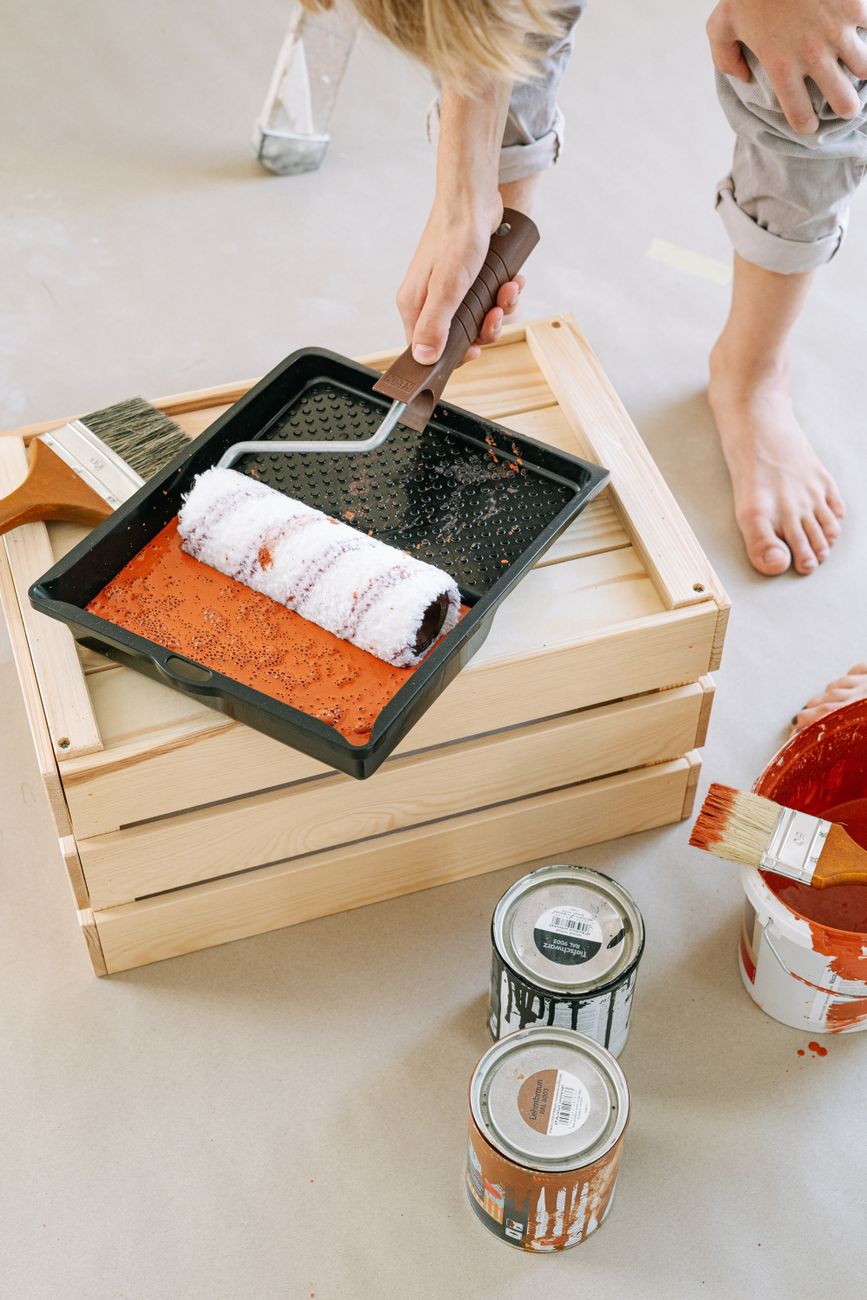
Rearranging existing furniture, displaying photographs, introducing second-hand accessories, repainting a wall or finding new uses for older possessions can transform the atmosphere of a room.
Vintage shops, charity shops and independent retailers can also provide opportunities to discover distinctive items that are less likely to appear in every other home.
Reusing and repurposing furniture can additionally reduce unnecessary consumption and extend the useful life of household possessions.
Ultimately, personal style is not determined by how much money someone spends. It is reflected in the choices they make.
Creating a Home That Feels Like Your Own
One of the most interesting aspects of this changing approach to interior design is the recognition that homes do not have to meet somebody else’s expectations.
A home should accommodate the people who live there, their routines, their interests and their preferences.
For a family, that might mean prioritising practical living spaces. For someone who enjoys reading, it could mean creating a comfortable library corner. For another person, it might involve displaying collections, artwork or objects gathered throughout their life.
There is no universal formula for creating the perfect home because what makes a space enjoyable is deeply personal.
The Beauty of Individuality
Decorating for yourself represents a wider appreciation of individuality in everyday life.
Just as personal fashion, music, hobbies and lifestyle choices can reflect individual character, the spaces we inhabit can tell their own stories.
A home does not need to impress everybody who walks through the door. It needs to provide a setting in which its occupants feel comfortable, familiar and at ease.
Perhaps the most important development in modern interior design is not a particular colour, furniture style or decorative trend.
It is the understanding that the most successful interiors are not necessarily those that look perfect, but those that feel personal.
Because ultimately, the best home is not the one designed to impress everyone else. It is the one that feels right to the people living in it.



Leave a Reply