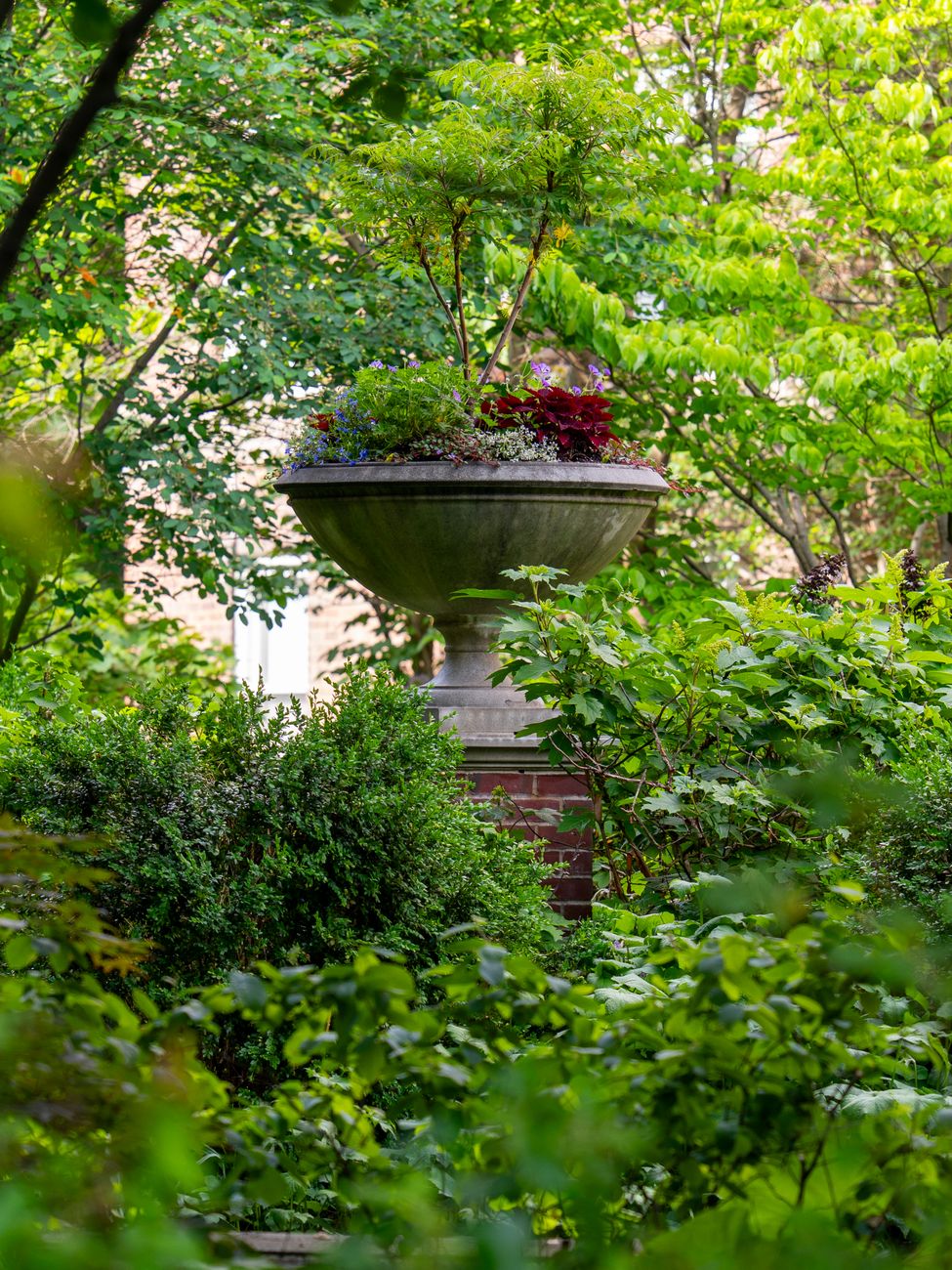
Gardening is often presented through beautiful photographs of perfectly maintained lawns, carefully arranged flower beds and immaculate outdoor spaces. However, the reality of gardening is rarely so polished. Plants grow unevenly, flowers fade, weeds appear and the weather does not always cooperate. Yet perhaps this is precisely what makes gardening so rewarding.
Gardening without perfection is about enjoying the process rather than constantly concentrating on the appearance of the finished result. It is an approach that encourages people to work with nature, accept imperfections and appreciate the small pleasures that come from nurturing a living space.
Letting Nature Take Its Own Course
One of the most important lessons gardening teaches is that nature cannot always be controlled. Plants develop at different speeds, some flowers flourish while others struggle, and unexpected changes in weather can affect even the most carefully planned garden.
Rather than viewing these things as failures, a more relaxed approach recognises that change is a natural part of gardening.
Allowing certain plants to spread naturally, leaving areas slightly untidy or encouraging wildflowers to grow can create a garden that feels more connected to the surrounding environment.
A garden does not necessarily need straight borders, perfectly trimmed hedges or matching flower arrangements to be attractive.
The Benefits of a More Natural Garden
Gardening without perfection can also benefit local wildlife and biodiversity.
Leaving some areas of grass longer, growing nectar-rich flowers and providing suitable habitats can support pollinators such as bees, butterflies and other insects.
Even a small garden can make a contribution. Pots containing flowering plants, a patch of wildflowers or a carefully positioned water source can provide valuable resources for wildlife.
A less formal garden can also reduce the pressure of constant maintenance, allowing people to spend more time enjoying their outdoor space rather than worrying about keeping everything immaculate.
Gardening and Wellbeing
Gardening is widely recognised as an activity that can support physical and mental wellbeing.
Activities such as planting, watering, pruning and digging provide opportunities for gentle physical movement. Spending time outdoors also offers exposure to natural light and the changing seasons.
For many people, gardening provides a welcome break from screens, work pressures and the demands of everyday life.
There is also something particularly satisfying about caring for something over time. Watching a seed develop into a flowering plant or seeing a previously empty space gradually come to life can provide a genuine sense of achievement.
Importantly, gardening does not need to become another demanding lifestyle project. Even spending a few minutes watering plants or tending to a small collection of pots can provide enjoyment.
Starting Small and Keeping Things Simple
For those who are new to gardening, the idea of creating an attractive outdoor space can sometimes feel overwhelming.
However, there is no requirement to transform an entire garden at once.
Starting with a few easy-to-grow plants, herbs or seasonal flowers can make gardening more manageable. Containers and raised beds can also be useful for people with limited outdoor space.
Choosing plants suited to local conditions, available sunlight and soil type can reduce unnecessary maintenance and improve the chances of success.
Most importantly, mistakes should be viewed as part of learning. Plants sometimes die, seeds fail to germinate and certain varieties do not thrive in particular locations. These experiences are normal and can help gardeners make better choices in the future.
Moving Away From the Perfect Garden Image
Social media and home improvement culture have helped create expectations about how gardens should look. Carefully staged photographs can make outdoor spaces appear effortlessly beautiful, although maintaining them may require considerable time, money and work.
Comparing an everyday garden with professionally designed or heavily maintained spaces can take away some of the enjoyment.
A more personal approach focuses on what makes a garden useful and meaningful to the people who spend time in it.
For one person, that might mean growing vegetables and herbs. For another, it could involve creating a quiet reading corner, planting colourful flowers or providing a welcoming environment for birds and insects.
There is no single definition of a successful garden.
Finding Satisfaction in the Small Things
Some of the most enjoyable gardening experiences are also the simplest.
The first flower appearing in spring, fresh herbs ready to be picked, the sound of birds visiting or the sight of a plant recovering after a difficult period can all provide moments of satisfaction.
These experiences remind us that gardening is not simply about producing an attractive outdoor space. It is also about patience, observation and appreciating gradual change.
Unlike many aspects of modern life, gardening rarely offers instant results. It requires time, attention and a willingness to accept that not everything will go according to plan.
Conclusion: A Garden That Reflects Real Life
Gardening without perfection is ultimately about changing the way we measure success.
A garden does not have to resemble a magazine photograph to be beautiful, valuable or enjoyable. Its worth can be found in the experiences it creates, the wildlife it supports and the personal satisfaction it provides.
By allowing nature a little more freedom and letting go of unrealistic expectations, gardening can become a more relaxing and rewarding activity.
Perhaps the most beautiful garden is not the one that looks perfect, but the one that makes us feel happiest when we spend time in it.









Leave a Reply