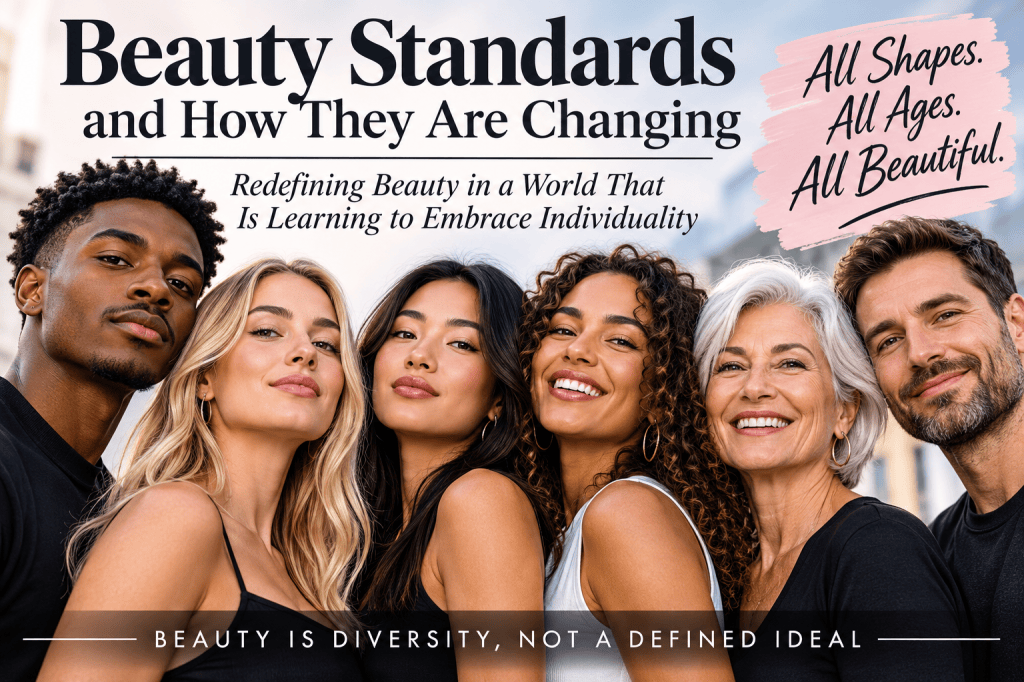
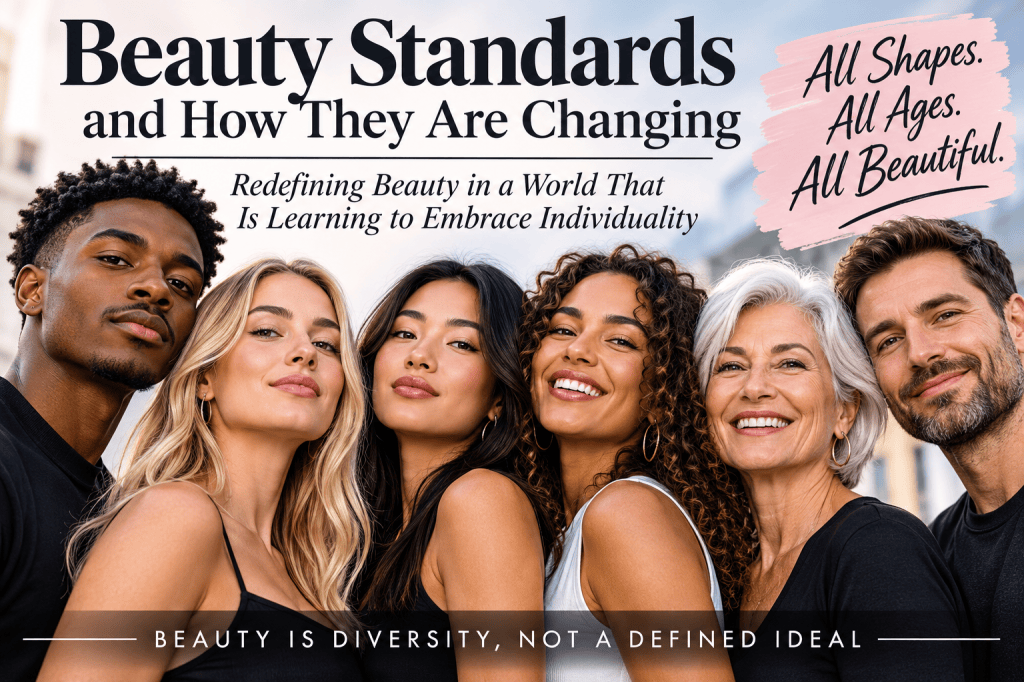
Redefining Beauty in a World That Is Learning to Embrace Individuality
Beauty standards have influenced societies for generations, shaping how people view themselves and others. From fashion magazines and Hollywood celebrities to social media influencers and advertising campaigns, ideas about what makes someone attractive have continually evolved. However, in recent years, traditional expectations of beauty have increasingly been questioned, creating a broader conversation about individuality, self-acceptance and the meaning of looking good.
Today, beauty is becoming less about meeting one particular ideal and more about recognising that attractiveness comes in many different forms.
The Evolution of Beauty Standards
Throughout history, beauty standards have reflected the cultural values, social expectations and economic circumstances of their time.
In different periods, particular body shapes, hairstyles, skin tones and facial features have been celebrated as desirable. Fashion, cinema, television and advertising have all played significant roles in promoting these ideals.
During much of the twentieth century, mainstream beauty advertising frequently presented a relatively narrow image of attractiveness. Slim figures, youthful appearances, carefully styled hair and particular facial features were often portrayed as the standard to aspire to.
Although these expectations were never universal, their influence was considerable. Many people grew up comparing themselves with images that represented an unrealistic or highly selective version of beauty.
The Influence of Social Media
Social media has significantly changed how beauty standards are created, shared and challenged.
Platforms such as Instagram, TikTok and YouTube have allowed individuals to influence beauty conversations without relying on traditional modelling agencies, fashion magazines or television networks.
People now regularly encounter a much wider range of appearances, styles, ages and body types. This has helped introduce alternative representations of beauty into mainstream conversations.
However, social media has also created new pressures. Filters, digital editing, cosmetic enhancement trends and carefully selected photographs can create unrealistic expectations.
The popularity of certain facial features, skincare routines and cosmetic procedures can sometimes make appearance feel like something that must constantly be improved.
Consequently, social media has become both a platform for greater representation and a source of renewed appearance-related pressure.
The Growing Acceptance of Different Body Types
One of the most noticeable changes in modern beauty conversations is the increased visibility of different body shapes and sizes.
Body positivity and body neutrality movements have encouraged people to question the idea that attractiveness should be determined by weight or body proportions.
Body positivity focuses on challenging discrimination and promoting acceptance of different bodies. Body neutrality takes a slightly different approach, encouraging people to value themselves beyond their physical appearance.
Neither movement suggests that everyone must feel confident about their appearance every day. Instead, they challenge the assumption that a person’s worth should depend on how closely they match a particular physical ideal.
Fashion brands, advertising campaigns and media organisations have also increasingly featured models with different body types, although representation remains inconsistent across the industry.
Ageing and the Changing Meaning of Youth
For decades, youthfulness has occupied a central position in many beauty industries. Advertising frequently associated attractiveness with smooth skin, minimal wrinkles and maintaining a youthful appearance.
However, attitudes towards ageing are gradually becoming more varied.
There is growing visibility of older models, public figures and everyday individuals who choose to embrace their natural appearance rather than attempting to conceal every sign of ageing.
This does not mean cosmetic treatments or anti-ageing products have disappeared. The beauty industry continues to offer an extensive range of products and procedures aimed at maintaining a youthful appearance.
Instead, the conversation is increasingly about personal choice. Some people enjoy skincare and cosmetic treatments, while others prefer a more natural approach.
The important distinction is that neither decision should determine someone’s confidence or value.
The Rise of Individuality and Personal Expression
Modern beauty is increasingly connected to personal identity and self-expression.
Hairstyles, clothing, tattoos, piercings, makeup and skincare choices allow individuals to communicate aspects of their personality and cultural influences.
There is also greater visibility of beauty traditions across different cultures, helping challenge the idea that one particular appearance should dominate international fashion and advertising.
For many people, looking good is no longer simply about following trends. It is about developing a personal style that feels authentic and comfortable.
This shift has encouraged a more individual approach to beauty, where personal preferences can take priority over constantly changing expectations.
Men and the Changing Beauty Conversation
Beauty standards are not limited to women. Men have also experienced changing expectations surrounding physical appearance.
Traditional ideas often placed emphasis on strength, muscularity and a particular masculine appearance. Today, male grooming, skincare, fashion and personal presentation have become more visible parts of everyday culture.
Men are increasingly discussing skincare routines, haircare, cosmetic treatments and fashion without necessarily viewing these interests as conflicting with masculinity.
At the same time, pressure to achieve a particular physique remains significant, particularly in environments where highly edited images of muscular bodies are common.
The expanding conversation around male beauty highlights the fact that appearance-related expectations can affect people regardless of gender.
The Commercial Side of Beauty
Although beauty standards are becoming more diverse, the beauty industry remains a powerful commercial influence.
Skincare, cosmetics, haircare, fashion and cosmetic procedures represent major consumer markets. Advertising often uses changing beauty trends to introduce new products and encourage people to spend money on their appearance.
There is a contradiction within this environment. On one hand, brands increasingly promote individuality and self-acceptance. On the other, marketing can still rely on insecurities about ageing, skin conditions, body shape and physical imperfections.
Consumers therefore face the challenge of distinguishing between products that genuinely meet their needs and products marketed around the suggestion that something about their appearance needs correcting.
Understanding this distinction can help people make more informed decisions about beauty and personal care.
Are Beauty Standards Really Disappearing?
Despite growing conversations about inclusivity, traditional beauty standards have not disappeared.
Certain physical characteristics continue to receive disproportionate attention in entertainment, advertising and online culture. Digital filters and cosmetic trends can also create new versions of the same old pressures.
In some respects, beauty standards have simply become more complicated. Rather than following one universally promoted ideal, people may now encounter several competing expectations.
The challenge is not necessarily to replace one definition of beauty with another, but to recognise that no single definition can represent everybody.
Greater representation is important, but genuine progress also involves allowing individuals to exist without feeling that their appearance must constantly be judged, improved or compared.
Conclusion: Beauty Beyond Expectations
Beauty standards are changing, influenced by cultural shifts, social media, greater representation and a growing willingness to challenge traditional expectations.
Although the beauty industry continues to shape consumer attitudes, more people are recognising the importance of individuality, personal expression and self-acceptance.
Perhaps the most meaningful change is the growing understanding that beauty does not have to follow a specific formula.
Age, body shape, skin tone, facial features and personal style are all part of the diversity of human appearance. None should determine an individual’s value.
Ultimately, beauty should be less about trying to become somebody else’s ideal and more about feeling comfortable with the person looking back in the mirror.









Leave a Reply