Consumer shopping habits are changing. Across many parts of the world, people are becoming more selective about what they purchase, thinking more carefully before spending money and increasingly questioning whether they genuinely need another product.
From clothing and technology to home furnishings and everyday lifestyle purchases, there is a growing shift towards buying less, choosing carefully and making existing possessions last longer.
Although financial pressures are an important part of this change, the reasons behind it go beyond simply having less money to spend. Changing attitudes towards material possessions, environmental concerns and a greater appreciation of experiences are also influencing modern consumer behaviour.
The Cost of Living Is Changing Spending Habits
One of the biggest reasons consumers are buying fewer things is the continued pressure on household finances.
Higher costs for housing, food, energy, transport and other essentials leave many households with less disposable income. As a result, non-essential purchases are often the first expenses to be reduced.
Consumers are increasingly comparing prices, looking for discounts, switching to cheaper alternatives and delaying purchases until they feel financially comfortable.
Research published by Deloitte UK has highlighted how consumers are consciously reducing discretionary spending, while other research from Capgemini found that 62% of surveyed consumers in October 2025 were cutting back on non-essential purchases.
This suggests that careful spending is becoming an established part of consumer behaviour rather than simply a temporary response to rising prices.
The Move Towards More Meaningful Purchases
Another important development is the growing preference for quality over quantity.
Rather than regularly replacing wardrobes, upgrading electronic devices or purchasing items simply because they are fashionable, some consumers are choosing products they expect to use for longer.
The idea of buying fewer but better-quality possessions has become particularly relevant in fashion and lifestyle shopping.
A well-made coat, a versatile pair of shoes or a reliable household appliance may offer better long-term value than repeatedly purchasing cheaper alternatives.
This approach also encourages consumers to think about cost per use, durability and whether a product genuinely meets their needs.
Sustainability and Environmental Awareness
Environmental awareness is also influencing purchasing decisions.
The production, transportation, packaging and disposal of consumer goods all have environmental consequences. Fast fashion, unnecessary packaging and electronic waste have contributed to wider discussions about the impact of modern consumption.
For some people, buying fewer products is a practical way of reducing waste and making more responsible lifestyle choices.
Repairing damaged possessions, purchasing second-hand clothing, reusing household items and donating unwanted goods are all examples of alternatives to constantly buying new products.
However, affordability remains an important consideration. Consumers do not always choose sustainable products because they are environmentally conscious; sometimes buying second-hand or repairing an item is simply the more economical option.
The Growth of Second-Hand Shopping
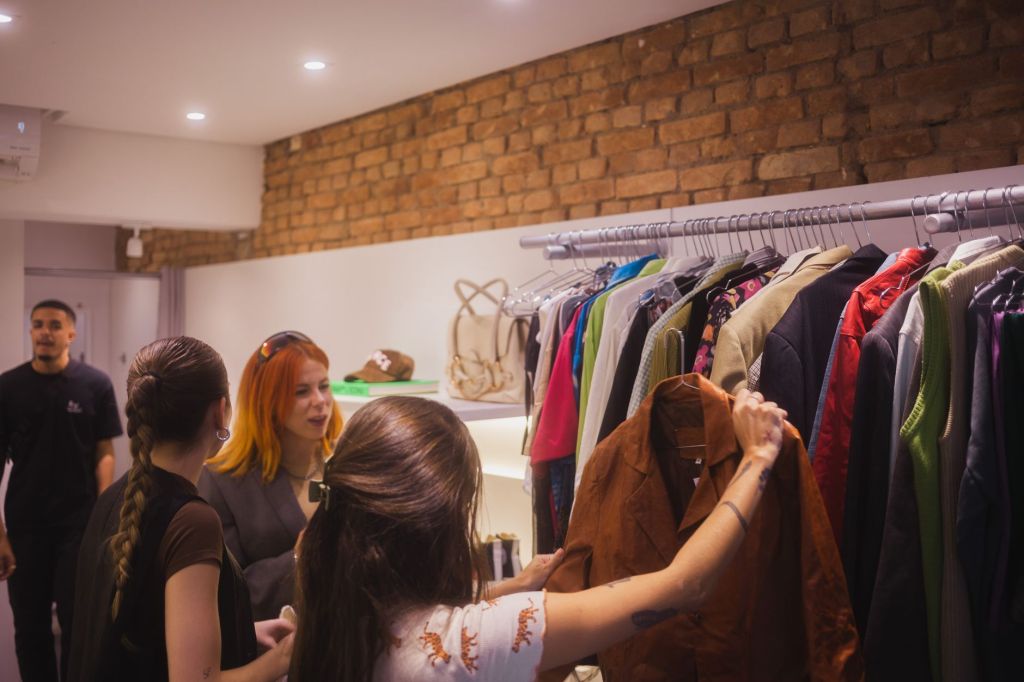
The second-hand market has become an increasingly important part of modern retail.
Online resale platforms, charity shops, vintage stores and refurbished technology retailers provide consumers with opportunities to purchase pre-owned goods at lower prices.
This has helped change perceptions surrounding second-hand shopping.
Previously, some consumers associated used products with financial difficulty or limited choice. Today, buying pre-owned clothing, furniture, books and electronics can also be viewed as a practical, fashionable and environmentally conscious decision.
Research published by McKinsey in its 2026 State of the Consumer report highlights the growing importance of resale, repair and extending the useful life of existing possessions.
The development of this market also demonstrates that buying less brand-new merchandise does not necessarily mean consumers have stopped shopping altogether. Instead, they may simply be choosing different ways to obtain what they need.
Social Media and the Pressure to Consume
For many years, social media has played a significant role in encouraging consumer spending.
Influencers, advertising campaigns, product launches and constantly changing trends can create pressure to purchase the latest clothing, accessories, beauty products and technology.
However, there is also a growing counter-movement.
Content promoting minimalism, decluttering, mindful spending and buying nothing for a set period has introduced alternative attitudes towards consumption.
Some consumers are becoming more aware of how advertising and social comparison can influence their purchasing decisions.
Instead of automatically following trends, they are beginning to question whether products offer genuine value or simply provide a short-lived sense of satisfaction.
Experiences Over Possessions
Another factor influencing consumer spending is the growing importance some people place on experiences rather than material possessions.
Travel, dining, entertainment, cultural activities and spending time with family and friends can provide lasting memories that are not necessarily connected to owning physical products.
This does not mean everyone is abandoning material purchases. Rather, some consumers are becoming more selective about where they spend their money.
For example, someone might decide against purchasing another expensive item of clothing but choose to put that money towards a weekend away, a concert or a memorable family experience.
The distinction is increasingly about personal priorities and what individuals consider worthwhile.
The Influence of Minimalism
Minimalism has also contributed to changing attitudes towards shopping.
Although minimalism means different things to different people, its central principles often include reducing unnecessary possessions, avoiding clutter and concentrating on what adds genuine value to everyday life.
For some households, this means having fewer clothes, simplifying home interiors or resisting unnecessary technology upgrades.
A less cluttered environment can also make everyday living feel more manageable.
Rather than measuring success through the number of possessions someone owns, minimalist thinking encourages a greater focus on personal satisfaction, financial stability and quality of life.
What This Means for Businesses and Retailers
Changing consumer behaviour presents challenges for retailers and manufacturers.
Businesses that have traditionally depended on frequent purchases and constantly changing trends may need to reconsider how they attract and retain customers.
Consumers increasingly expect transparency, competitive pricing, reliable quality and products that justify their cost.
There may also be greater opportunities for businesses offering repair services, refurbished products, resale schemes and durable goods.
Brand loyalty can no longer be taken for granted when customers are prepared to compare alternatives and move towards competitors offering better value.
For retailers, understanding why people are buying less may become just as important as understanding what they want to purchase.
A More Thoughtful Approach to Consumption
Buying fewer things does not necessarily represent a rejection of shopping, fashion, technology or modern lifestyles.
Instead, it can reflect a change in how people approach their money and possessions.
For some, the motivation is financial necessity. For others, it is environmental responsibility, a desire for simplicity or a preference for spending money on experiences rather than accumulating material goods.
These motivations can also overlap.
What is becoming increasingly important is the decision-making process behind a purchase. Consumers are asking whether something is necessary, whether it offers good value and whether it will remain useful beyond the initial excitement of buying it.
Conclusion: Less Can Mean More
The shift towards buying fewer things reflects a wider conversation about money, lifestyle, sustainability and personal priorities.
Although financial pressures remain a significant influence, changing attitudes towards ownership and consumption are also helping reshape modern shopping habits.
A growing emphasis on durability, second-hand shopping, repairing possessions and mindful spending suggests that consumers are becoming more conscious of the relationship between what they buy and how they want to live.
Ultimately, buying fewer things does not have to mean living with less enjoyment. For many people, it may simply mean making more considered choices, appreciating what they already own and finding greater value in the things that genuinely matter.









Leave a Reply