For generations, wealth has traditionally been associated with financial success, expensive possessions, property ownership and the ability to enjoy a luxurious lifestyle. Having money was often viewed as one of the clearest indicators of achievement, while material possessions provided a visible way of demonstrating success.
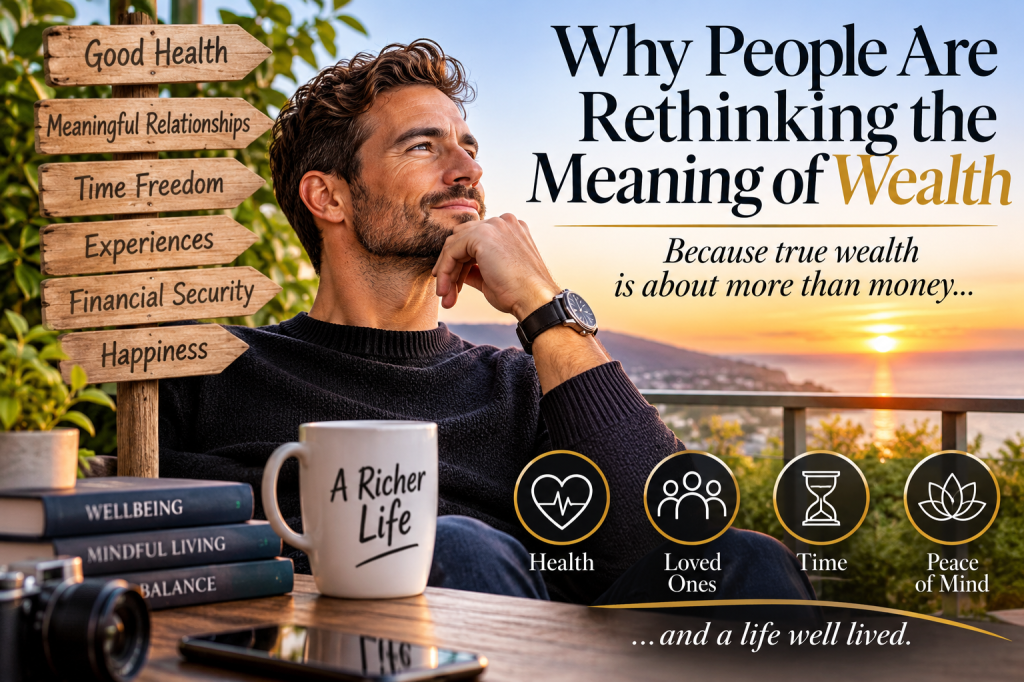
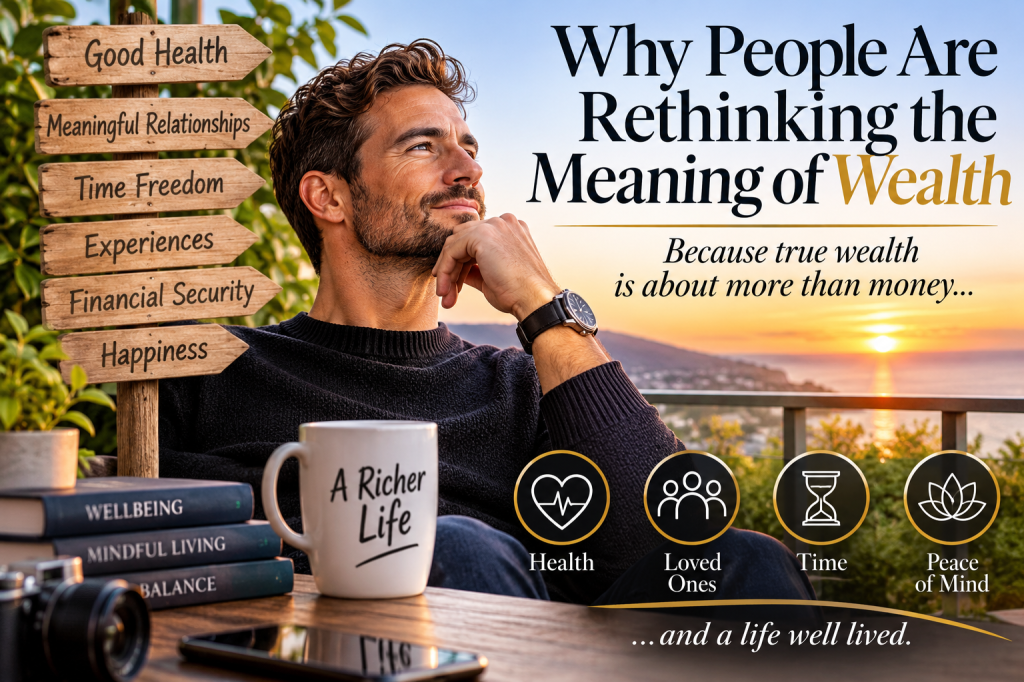
However, attitudes towards wealth are gradually evolving. Increasingly, conversations about what it means to be wealthy are moving beyond financial status and placing greater emphasis on personal freedom, financial security, good health, meaningful relationships and the ability to enjoy life.
Moving Beyond Material Possessions
One of the reasons people are reconsidering wealth is a growing recognition that material possessions do not necessarily guarantee happiness or fulfilment.
Although owning a large house, driving an expensive car or purchasing designer clothing can provide enjoyment, these things do not automatically create a satisfying lifestyle. For some people, the pressure to maintain an expensive standard of living can also bring additional financial responsibilities and stress.
This has encouraged a broader discussion about whether success should be measured by what someone owns or by the quality of the life they are able to lead.
Experiences, personal interests and spending meaningful time with others are increasingly important considerations when people think about what makes life rewarding.
The Importance of Financial Security
Rethinking wealth does not mean that money has become unimportant. Financial stability remains essential to everyday life, providing people with the ability to meet their responsibilities, manage unexpected expenses and plan for the future.
Research into financial wellbeing highlights that genuine financial security involves more than simply earning a high income. It also includes having control over finances, being able to manage financial difficulties and having the freedom to make personal choices.
A 2025 UK financial health report from St. James’s Place highlighted the importance of financial resilience, reporting that 65% of people surveyed felt able to cope financially with a sudden fall in income or an unavoidable increase in expenditure.
This illustrates why financial confidence and security are becoming important parts of how wealth is understood.
Time as a Measure of Wealth
Another important change is the growing recognition of time as a valuable resource.
For many people, professional success has traditionally been measured through career progression, salaries and working hours. However, there is increasing interest in achieving a healthier balance between employment and personal life.
Having the freedom to spend time with family, pursue hobbies, travel, read or simply enjoy a quieter lifestyle can represent a different form of success.
Financial independence is also frequently discussed in connection with this idea. Rather than focusing exclusively on accumulating money, some people aspire to reach a position where their financial circumstances give them greater control over how they spend their time.
In this sense, wealth can represent freedom of choice rather than simply financial status.
Health, Relationships and Personal Wellbeing
Health is another important consideration when examining the meaning of wealth.
Good health cannot always be purchased, and financial success does not necessarily protect someone from illness or personal difficulties. Consequently, people are increasingly recognising the importance of looking after their physical and emotional wellbeing.
Relationships also contribute significantly to how people experience a fulfilling life. Supportive friendships, family connections and meaningful social experiences can provide a sense of belonging that material possessions cannot replace.
Academic research into financial wellbeing has also demonstrated that people’s priorities can change throughout their lives. A study published in the Journal of Family and Economic Issues found differences between age groups, with younger participants placing emphasis on achieving financial freedom, while middle-aged and older participants often associated financial wellbeing with maintaining security and supporting family members.
These findings demonstrate that wealth is not necessarily a fixed concept. Its meaning can change depending on personal circumstances, responsibilities and stages of life.
A More Personal Definition of Success
Social media and consumer culture have made it easier than ever to compare lifestyles, possessions and apparent financial achievements. However, the lifestyles presented online do not always reflect someone’s actual financial circumstances or personal happiness.
This has encouraged wider conversations about defining success independently rather than measuring it against the expectations of others.
For some, wealth means owning a home and having savings. For others, it means being debt-free, having a fulfilling career, enjoying good relationships or having enough financial independence to pursue personal interests.
There is no single definition that applies to everyone.
Importantly, recognising alternative measures of wealth should not overlook the reality that financial hardship remains a serious challenge for many households. Financial security is not equally accessible, and having sufficient resources to meet everyday needs remains a fundamental part of wellbeing.
The Changing Meaning of Being Wealthy
The meaning of wealth is becoming broader, reflecting a growing understanding that financial resources are only one part of a successful and fulfilling life.
Money can provide opportunities, security and greater independence, but the value of those opportunities often depends on how people use them.
For many, the idea of being wealthy is increasingly connected with having enough rather than constantly wanting more. It can mean having time to enjoy life, the freedom to make decisions, meaningful relationships and the confidence that tomorrow will be financially manageable.
Ultimately, perhaps the most important change is the recognition that wealth should not be defined exclusively by what a person possesses, but also by the opportunities, experiences and quality of life those resources make possible.





Leave a Reply