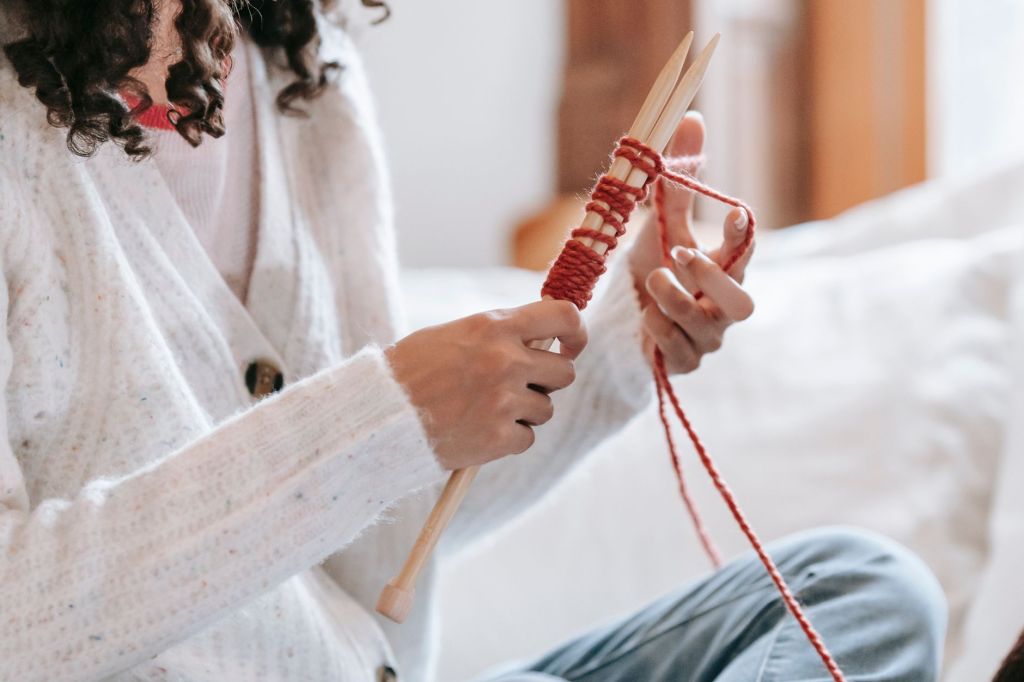
In an increasingly digital world, where entertainment, communication and everyday activities are often centred around screens, traditional hobbies are finding a renewed place in people’s homes. From knitting and baking to gardening, reading, painting and playing board games, activities once considered old-fashioned are attracting interest from a new generation.
The return of traditional hobbies reflects a growing appreciation for slower, more hands-on ways of spending leisure time. Rather than relying entirely on digital entertainment, people are rediscovering the satisfaction of creating something, learning a practical skill or simply enjoying an activity without the constant distractions of modern technology.
A New Appreciation for Traditional Pastimes
Many traditional hobbies have remained popular across generations, but their appeal is experiencing renewed attention.
Research published by Samsung in September 2025 explored the revival of traditional hobbies in Britain. Its findings identified baking, gardening, knitting and crochet among the activities attracting renewed interest. The research also found that four in ten people surveyed had considered taking up or returning to a hobby during the previous year.
These activities offer something that modern digital entertainment does not always provide: the opportunity to participate, practise and develop a skill.
Knitting, crochet and sewing, for example, allow people to produce something tangible through patience and creativity. Baking provides an opportunity to experiment with ingredients and recipes, while painting and drawing encourage individual expression.
For many, the attraction is not necessarily about producing something perfect. It is about enjoying the process.
The Appeal of Screen-Free Activities
One reason traditional hobbies are attracting attention is the opportunity to take a break from screens.
Smartphones, computers and televisions have become central to everyday life. Although technology offers considerable convenience and entertainment, spending leisure time away from digital devices can provide a welcome change of pace.
Activities such as reading, completing jigsaw puzzles, gardening and embroidery encourage people to concentrate on something outside the digital environment.
They can also introduce a different rhythm to the day. Rather than constantly switching between notifications, messages and online content, a traditional hobby allows attention to remain on one particular activity.
This does not mean abandoning technology altogether. Online tutorials, digital communities and instructional videos have actually helped introduce traditional hobbies to younger audiences.
Bringing Creativity Back into the Home
Traditional hobbies also offer opportunities to make the home a more creative environment.
A small space can become a reading corner, a kitchen can provide the setting for learning new recipes, and a spare table can become an area for painting, model-making or completing puzzles.
Gardening is another activity that has found a place in modern homes. Even without a large outdoor space, people can grow herbs, flowers and small plants using window boxes, balconies and indoor containers.
Similarly, sewing and clothing repairs offer practical skills that can help extend the life of existing possessions rather than automatically replacing them.
These activities demonstrate that hobbies do not always require expensive equipment, specialist facilities or substantial amounts of space. Many can begin with relatively simple materials and gradually develop as interest grows.
The Social Side of Traditional Hobbies
Although many hobbies can be enjoyed individually, they also provide opportunities for social connection.
Board games, card games, baking together and family gardening can bring people together through shared activities. Knitting groups, book clubs and craft gatherings provide opportunities to meet others with similar interests.
There is also an important generational element. Traditional skills are frequently passed between family members, allowing younger people to learn techniques and knowledge that might otherwise become less familiar.
The renewed popularity of activities such as crochet, embroidery and baking has also created opportunities for people of different ages to share their experiences and interests.
A Positive Contribution to Everyday Wellbeing
Traditional hobbies can offer several potential benefits for everyday wellbeing.
Creative activities encourage concentration, provide opportunities to develop new skills and can create a sense of achievement. Completing a painting, finishing a knitting project or successfully growing something from seed provides a visible result of personal effort.
Reading can offer intellectual stimulation and relaxation, while gardening combines practical activity with contact with nature.
It is important not to suggest that hobbies replace professional support for mental health difficulties. However, having enjoyable activities outside work and everyday responsibilities can contribute positively to a more balanced lifestyle.
Tradition Meets Modern Living
The return of traditional hobbies does not necessarily represent a rejection of modern living. Instead, it demonstrates how older interests can adapt to contemporary lifestyles.
Social media has helped introduce crochet, pottery, baking and other traditional activities to younger audiences. Online communities allow enthusiasts to exchange advice, share finished projects and learn techniques from people around the world.
This combination of traditional skills and modern communication has helped make previously overlooked pastimes more accessible.
Perhaps the most interesting aspect of this revival is that people are not necessarily searching for something new. They are rediscovering activities that have been part of everyday life for generations.
Rediscovering the Value of Simple Pleasures
The return of traditional hobbies at home highlights an appreciation for activities that offer enjoyment without requiring constant connectivity or expensive experiences.
Whether it is spending an afternoon with a book, learning to knit, experimenting with a new recipe, tending to plants or gathering around a board game, these simple pastimes can bring creativity and enjoyment into everyday life.
In a world that increasingly values speed, convenience and instant results, traditional hobbies offer a different perspective. They remind us that some of the most rewarding experiences come from taking our time, developing a skill and enjoying the process.
Perhaps the appeal of traditional hobbies is not simply nostalgia. It is a recognition that sometimes the simplest activities are still among the most satisfying.





Leave a Reply