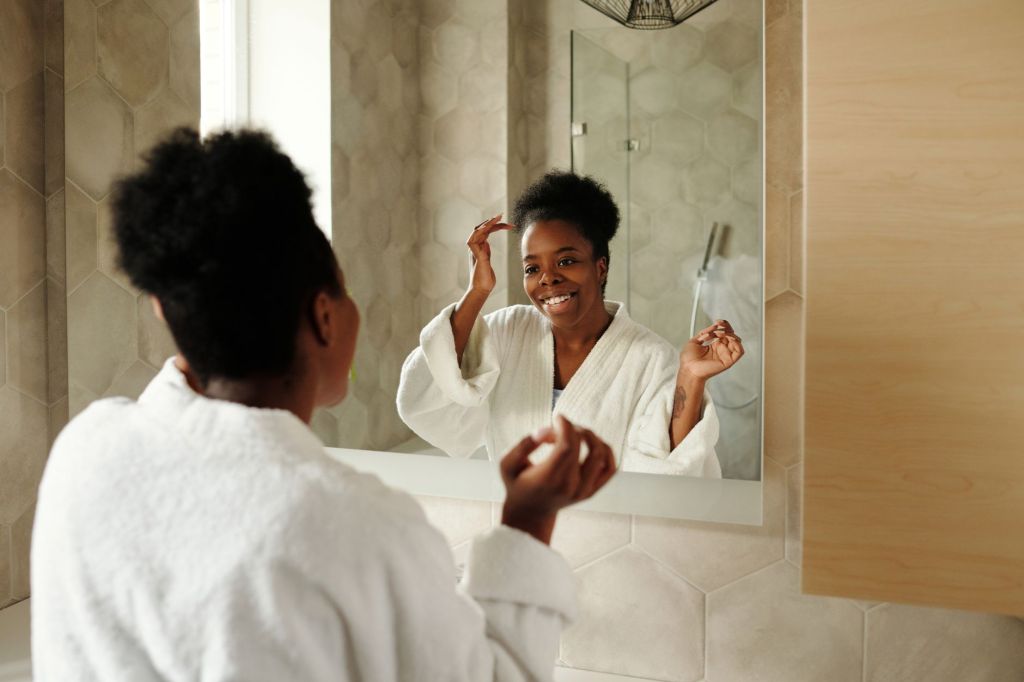
Self-care has become an increasingly important part of modern lifestyles, with more people recognising the value of looking after their physical health, mental wellbeing and personal happiness. Once commonly associated with occasional treats, beauty routines or luxury wellness experiences, self-care is increasingly understood as something much simpler: making time for yourself and developing everyday habits that support a healthier and more balanced life.
The growing interest in self-care reflects a wider change in how people approach wellbeing. Rather than concentrating exclusively on work, responsibilities and external expectations, individuals are becoming more conscious of the importance of looking after themselves.
Making Small Changes That Matter
One of the most positive aspects of everyday self-care is that it does not have to involve expensive products, specialist treatments or elaborate routines.
Simple activities can make a meaningful contribution to personal wellbeing. Taking a daily walk, preparing a nutritious meal, reading a book, enjoying a relaxing bath or making time for a favourite hobby are all examples of activities that can become part of a self-care routine.
Getting sufficient sleep, maintaining physical activity and staying connected with friends and family are also recognised as important elements of a healthy lifestyle.
The World Health Organization recognises self-care as an important part of maintaining health, preventing illness and supporting overall wellbeing. Its recommendations include healthy eating, physical activity, adequate sleep and social connection.
This demonstrates that self-care is not simply about relaxation. It is also about developing habits that support long-term health.
The Importance of Mental Wellbeing
Modern life can be demanding. Work commitments, financial pressures, family responsibilities and the constant availability of digital communication can make it difficult for people to find time to switch off.
Consequently, activities that encourage relaxation and personal reflection are receiving greater attention.
Reading, meditation, listening to music, spending time outdoors and enjoying moments of quiet can all provide opportunities to step away from everyday demands.
Making time for these activities can help people establish healthier boundaries between their responsibilities and personal lives.
There is also a growing appreciation that taking a break should not be viewed as unproductive. Rest and relaxation are important parts of maintaining a sustainable lifestyle.
Self-Care Beyond Beauty and Wellness
The modern understanding of self-care extends well beyond skincare products, beauty treatments and wellness businesses.
It encompasses a much broader approach to everyday living.
For some people, self-care means maintaining a regular exercise routine. For others, it might involve cooking at home, spending time in nature, organising their living environment or reconnecting with interests they have previously neglected.
Personal relationships also have an important role. Maintaining meaningful connections, spending quality time with loved ones and recognising when personal boundaries are needed can contribute to a healthier sense of balance.
Importantly, self-care looks different for everyone. There is no universal routine that suits every individual, and personal circumstances, preferences and needs should always be considered.
Moving Away From the Pressure of Perfection
Social media and the wider wellness industry have helped bring self-care into mainstream conversation. However, they have also created expectations around what looking after yourself should involve.
Elaborate morning routines, expensive skincare collections and carefully designed wellness spaces can sometimes make self-care appear more complicated than it needs to be.
In reality, effective self-care does not require perfection.
It is not necessary to follow every wellness trend or purchase particular products to demonstrate a commitment to personal wellbeing. Consistency, practicality and finding activities that genuinely bring enjoyment are far more important.
For many people, the most valuable changes are often the smallest ones.
Making Self-Care an Everyday Priority
The growing appreciation of everyday self-care represents a positive development in modern lifestyle culture.
It encourages people to recognise that personal wellbeing deserves attention throughout the year, rather than being something considered only when exhaustion or stress becomes overwhelming.
Building manageable habits into daily life can help create a more balanced relationship with work, leisure, relationships and personal responsibilities.
Ultimately, self-care is not about escaping everyday life or placing personal needs above everyone else’s. It is about recognising that looking after yourself is an important part of living well.
Sometimes, the most meaningful investment a person can make is simply giving themselves permission to slow down, rest, enjoy the present and appreciate the little things that make everyday life worthwhile.





Leave a Reply