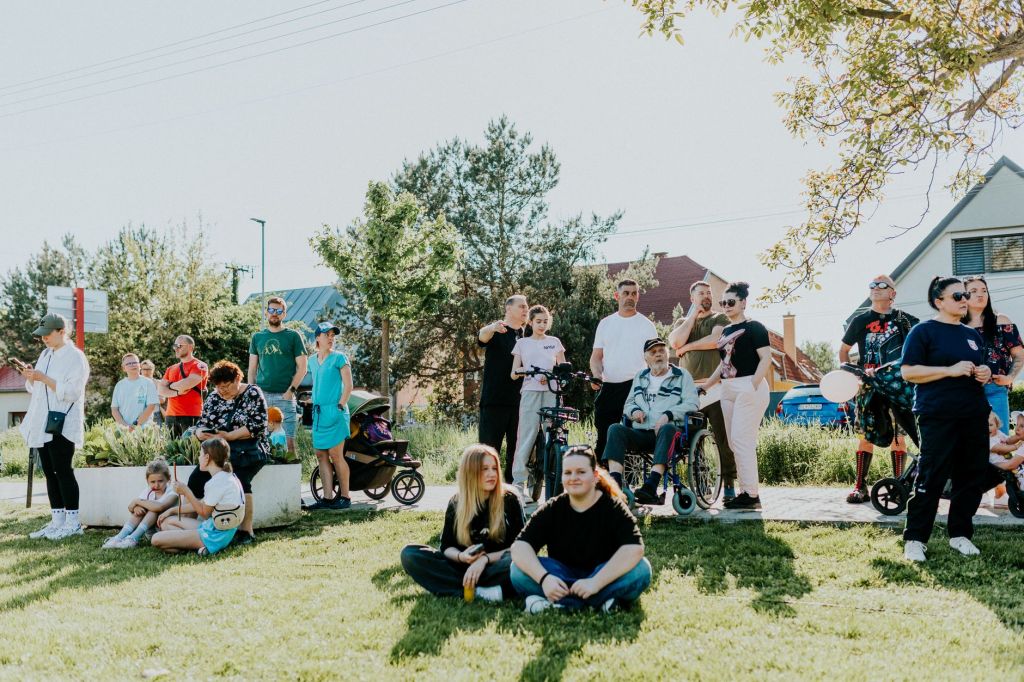
Community has always played an important role in human society. Traditionally, it was often associated with geographical location, shared backgrounds, family connections and close relationships with neighbours. People living in the same village, town or neighbourhood frequently relied on one another for practical support, social interaction and a sense of belonging.
However, the meaning of community has gradually evolved. Changes in technology, working patterns, lifestyles and social attitudes have transformed how people connect with one another. Today, community is no longer defined solely by where someone lives. It can also be built around shared interests, experiences, values and common goals.
The Traditional Idea of Community
Historically, local communities were central to everyday life. Neighbours often knew one another personally, local businesses provided familiar meeting places, and community organisations, clubs and religious institutions helped bring people together.
These relationships created opportunities for friendship, mutual support and collective responsibility. Community events, local celebrations and shared activities helped strengthen connections between generations and encouraged people to feel part of something larger than themselves.
Although these traditional forms of community remain important, modern lifestyles have changed the way many people experience their surroundings.
The Influence of Technology
Digital technology has significantly expanded the possibilities for building communities. Social media platforms, online forums and digital interest groups allow people to connect with others regardless of geographical distance.
Someone interested in literature, music, sport, fashion or photography can now find like-minded individuals across the world. Online communities also provide opportunities for people with specialist interests or experiences that may be less common within their immediate surroundings.
This has created a broader understanding of belonging. People can maintain meaningful connections with individuals they have never met in person, demonstrating that community does not always require physical proximity.
However, digital connections also raise questions about the quality of modern relationships. While online platforms make communication easier, they do not necessarily replace the benefits of face-to-face interaction and practical support.
The Importance of Shared Interests
One of the most noticeable changes in modern community life is the growing importance of shared interests.
Book clubs, fitness groups, creative workshops, volunteering organisations and hobby-based communities provide opportunities for people to develop relationships through activities they genuinely enjoy.
These groups can bring together individuals from different age groups, backgrounds and locations. Rather than being connected by where they live, members are united by common interests and experiences.
For many people, this creates opportunities to develop friendships and discover a sense of belonging outside their immediate social circles.
The Return of Local Connection
Despite the growth of digital communities, local connections continue to have considerable value.
Independent businesses, neighbourhood initiatives, community gardens, local events and volunteering projects provide opportunities for people to interact with those living nearby.
There is also growing recognition of the importance of supporting local organisations and creating welcoming public spaces. Libraries, parks, community centres and independent cafés can all contribute to stronger neighbourhood relationships.
These environments offer something that digital communication cannot entirely reproduce: the opportunity to share physical spaces, experiences and everyday moments.
Changing Lifestyles and Social Relationships
Modern working arrangements have also influenced how people experience community. Remote working, flexible schedules and increased mobility have changed traditional patterns of daily interaction.
For some, working from home has reduced opportunities to develop relationships with colleagues and participate in workplace social activities. Others have gained greater freedom to engage with communities that reflect their personal interests and circumstances.
Social circles are also becoming more varied. Some people prefer smaller groups of close friends, while others find connection through several different communities rather than relying on one central social network.
This reflects a broader shift towards more individual definitions of belonging.
Why Community Still Matters
Despite the changes in how people connect, the fundamental importance of community remains.
Human relationships provide emotional support, encourage cooperation and create opportunities for sharing knowledge and experiences. Communities can also help individuals feel valued and connected, particularly during periods of personal or social change.
Strong communities can contribute to local development, encourage volunteering and help address shared challenges. They provide opportunities for people to work together, exchange ideas and support those who may otherwise feel isolated.
Importantly, community does not have to mean constant social activity or knowing everyone around you. Sometimes, simply feeling welcome in a particular environment or knowing that support is available can create a meaningful sense of belonging.
A Broader Definition of Belonging
The changing meaning of community reflects the way society itself continues to develop. Traditional neighbourhood relationships remain valuable, but they now exist alongside digital networks, interest-based groups and connections that cross geographical and cultural boundaries.
Perhaps the most significant change is that people increasingly have greater freedom to define what community means to them.
For some, it will always be the familiar surroundings of home and the relationships built over many years. For others, it may be an online group, a creative network, a local organisation or a collection of people united by a shared passion.
Ultimately, community is less about where people are located and more about the connections they create, the support they offer and the sense of belonging they develop.
In a world that continues to change, the need for meaningful human connection remains as relevant as ever.





Leave a Reply