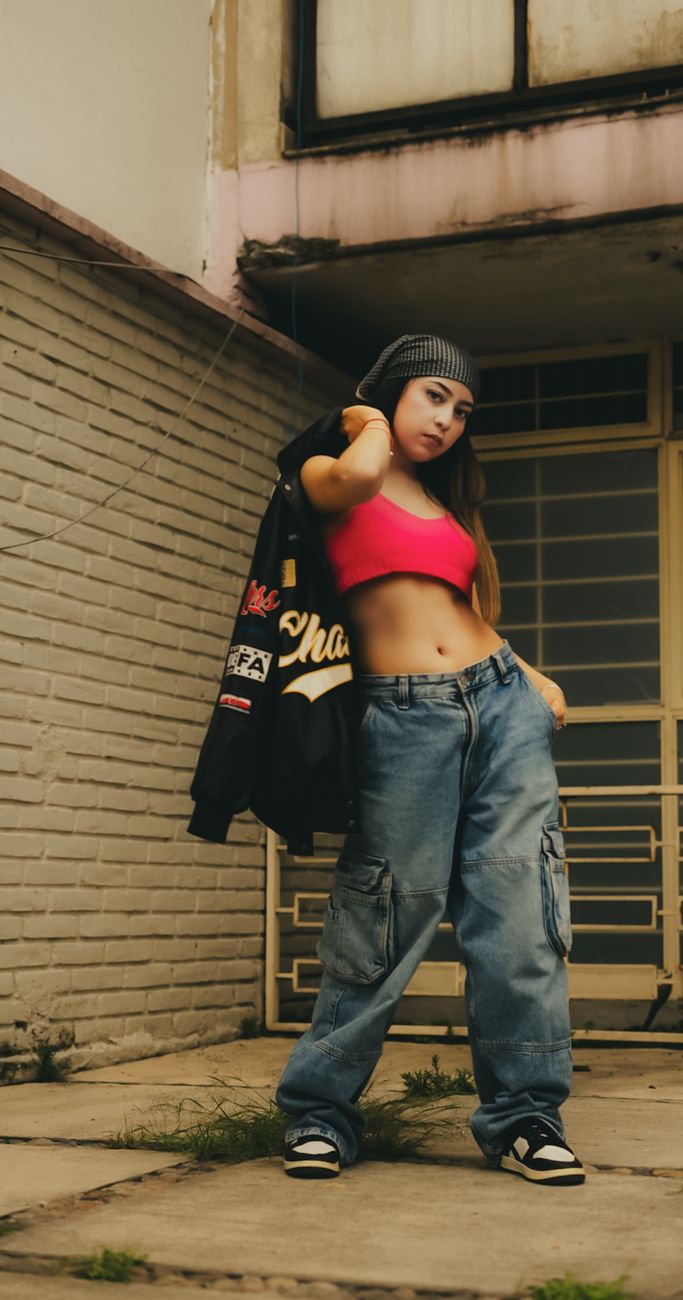

Casual dressing has undergone a significant transformation in recent years. Once associated primarily with relaxed weekends, informal occasions and practical clothing, casual fashion has become an important part of everyday style. Today, the boundaries between formal and informal clothing are increasingly flexible, with people placing greater emphasis on comfort, versatility and personal expression.
The modern approach to casual dressing is no longer simply about wearing whatever feels comfortable. Instead, it is about finding a balance between looking presentable, feeling relaxed and choosing clothing that reflects individual personality.
Comfort Has Become a Priority
One of the most noticeable changes in casual fashion is the growing importance of comfort. People are increasingly choosing clothing that allows them to move freely throughout the day without compromising their appearance.
Relaxed tailoring, soft knitwear, comfortable trousers, quality T-shirts and versatile footwear have become essential elements of contemporary wardrobes.
This shift has also encouraged fashion brands to reconsider traditional approaches to everyday clothing, incorporating softer materials, more flexible designs and practical details into their collections.
Comfort, however, does not necessarily mean sacrificing style. Well-fitting clothing, considered colour combinations and quality fabrics can create an effortlessly polished appearance.
The Blending of Smart and Casual
The distinction between smart and casual clothing has become less rigid. Items traditionally associated with formal wardrobes are now frequently combined with more relaxed pieces.
A tailored jacket worn with dark denim, smart trousers paired with a simple knitted jumper, or a crisp shirt styled with trainers are examples of how modern dressing allows different styles to work together.
This approach, often described as smart casual, offers greater flexibility for everyday life. It allows people to move between different environments without necessarily needing a complete change of outfit.
The result is a more adaptable approach to dressing that recognises the changing nature of work, social occasions and daily routines.
Quality Over Quantity
Another important development in casual dressing is the growing appreciation of clothing that offers longevity.
Rather than constantly purchasing new items to follow short-lived trends, many consumers are showing greater interest in building wardrobes around reliable, versatile pieces.
Classic denim, neutral-coloured knitwear, well-made shirts, simple outerwear and comfortable shoes can provide the foundation for numerous outfits.
Investing in quality does not always mean spending considerable amounts of money. It can simply involve choosing carefully, considering how frequently an item will be worn and looking after clothing properly.
A thoughtfully assembled wardrobe can offer more flexibility than one filled with individual purchases that are difficult to combine.
Personal Expression Matters
Modern casual fashion also provides greater opportunities for individuality.
While minimalist clothing and neutral colours remain popular style choices, casual dressing does not have to follow a single aesthetic. Some people prefer understated outfits, while others enjoy bold colours, distinctive accessories, graphic designs or vintage-inspired clothing.
The important consideration is wearing clothes that feel authentic rather than following every passing fashion trend.
Personal style develops through experimentation, experience and an understanding of what works for an individual’s lifestyle and preferences.
The Importance of Versatility
Practicality has become another defining feature of contemporary casual dressing.
Many people want clothing that can serve several purposes, whether attending an informal meeting, enjoying lunch with friends, travelling or spending time at home.
Versatile clothing makes this possible. A quality overshirt, for example, can be worn casually with jeans or incorporated into a more considered outfit with tailored trousers.
Similarly, a simple pair of leather trainers can complement a relaxed weekend outfit while still looking appropriate in many everyday social settings.
This flexibility reflects a wider appreciation for clothing that works around people’s lives rather than requiring them to organise their lives around fashion.
Dressing With Confidence
Perhaps the most important new rule of casual dressing is that there are fewer rigid rules to follow.
Fashion has always reflected changes in society, culture and lifestyle. As everyday routines evolve, clothing naturally adapts to meet changing expectations.
The modern casual wardrobe is therefore less concerned with strict dress codes and more focused on personal comfort, thoughtful choices and confidence.
Looking well dressed does not necessarily require expensive labels, complicated outfits or constant attention to emerging trends. Sometimes, a simple combination of well-fitting basics, complementary colours and carefully chosen accessories can make the strongest impression.
A More Personal Approach to Everyday Fashion
The evolution of casual dressing represents a broader change in how people approach their wardrobes. Comfort, practicality, individuality and quality are increasingly important considerations, creating a more relaxed and adaptable relationship with fashion.
Ultimately, the new rules of casual dressing are not about abandoning style or making less effort. They are about recognising that looking good and feeling comfortable can exist together.
In a world where everyday life rarely fits into traditional categories, clothing is becoming more versatile, more personal and, perhaps most importantly, more reflective of the individual wearing it.



Leave a Reply