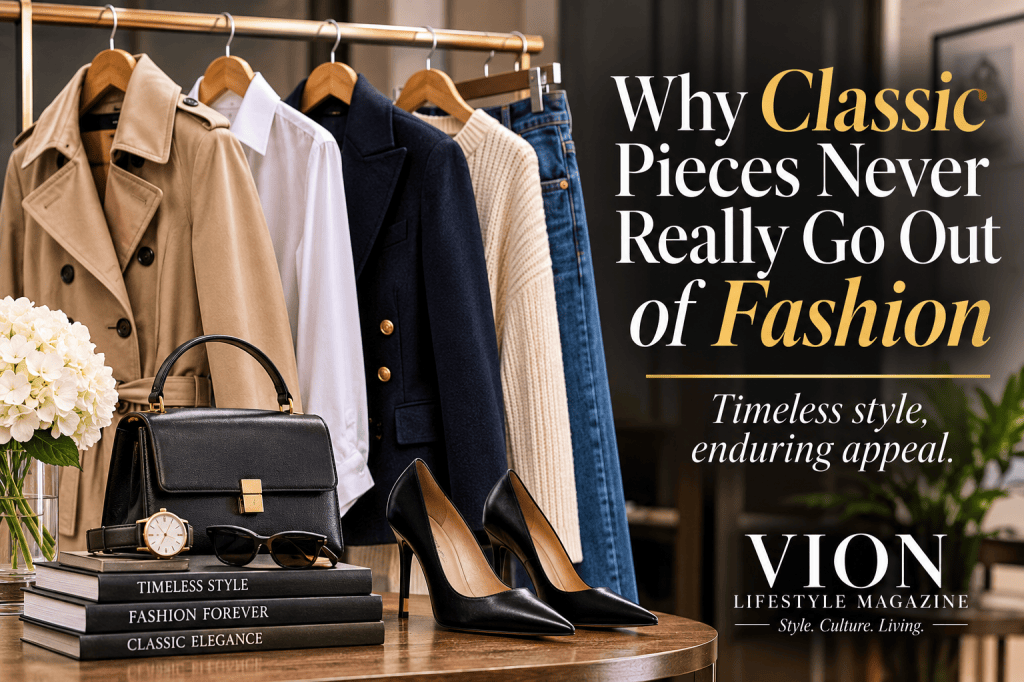
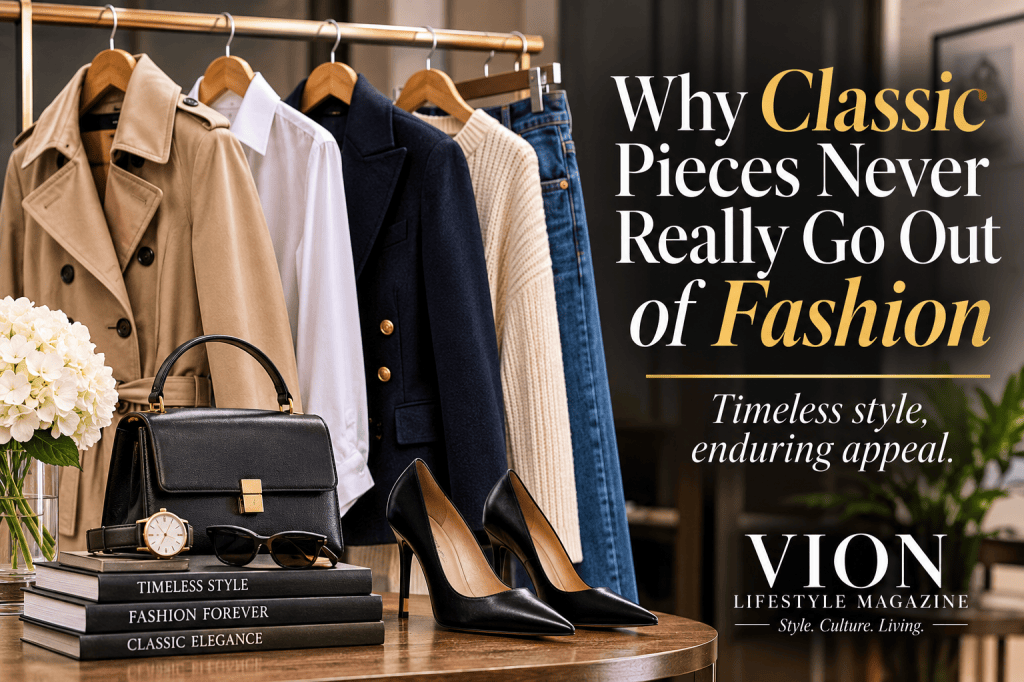
Fashion is constantly evolving. New trends emerge every season, designers introduce fresh collections, and social media influences the way people dress. Yet, despite the ever-changing nature of the fashion industry, certain clothing pieces remain popular decade after decade. From a well-tailored blazer to a classic white shirt, these timeless items demonstrate that good style does not always depend on following the latest trends.
Classic fashion is built around simplicity, versatility and quality. Rather than being designed for a particular season or moment, timeless pieces offer something more enduring: the ability to remain relevant regardless of changing fashion preferences.
The Appeal of Timeless Design
One of the main reasons classic clothing never really goes out of fashion is its design. Traditional pieces often feature clean lines, balanced proportions and understated details. They avoid relying heavily on seasonal colours, unusual shapes or distinctive patterns that may quickly become dated.
Items such as tailored trousers, trench coats, denim jeans, knitted jumpers and simple dresses have remained wardrobe favourites because they are easy to adapt to different occasions and personal styles.
Their appeal lies in their ability to look appropriate without demanding attention. A classic outfit can be elegant, professional or relaxed depending on how individual pieces are combined.
Quality Over Quantity
The growing interest in more considered shopping has also encouraged people to think differently about their wardrobes. Instead of purchasing large quantities of inexpensive clothing, some consumers are choosing fewer, more versatile items that can be worn repeatedly.
Classic clothing often supports this approach because well-made garments can provide years of use when properly cared for.
Fabric, construction, stitching and fit all contribute to how long an item remains wearable. Although quality clothing can sometimes require a greater initial investment, its longevity may make it a more practical purchase over time.
This approach also connects with wider conversations about sustainable fashion, clothing waste and the environmental impact of excessive consumption.
Versatility Makes the Difference
Another important characteristic of classic fashion is versatility.
A white shirt, for example, can be worn with tailored trousers for a formal appearance, paired with denim for a more casual outfit or layered beneath knitwear during colder months.
Similarly, a well-cut blazer can complement everyday clothing while also providing a more polished appearance for professional or social occasions.
This adaptability gives classic pieces a longer life in the wardrobe. Rather than being restricted to one particular look, they can be styled in numerous ways as personal preferences and circumstances change.
Fashion Trends Come and Go, Personal Style Remains
Fashion trends are often influenced by celebrities, designers, cultural movements, music and social media. While these influences can introduce exciting ideas, their popularity can sometimes be relatively short-lived.
Classic clothing offers an alternative to constantly changing trends. It allows people to develop a recognisable personal style without feeling pressured to replace their wardrobe every season.
This does not mean avoiding modern fashion altogether. Contemporary accessories, footwear and styling choices can easily be introduced alongside traditional pieces, creating an appearance that feels both current and individual.
In many respects, the most interesting wardrobes combine the reliability of classic design with occasional modern influences.
The Influence of Fashion History
Many of today’s wardrobe essentials have developed through decades of cultural and social change.
The trench coat, for example, has historical connections to military clothing before becoming an established part of everyday fashion. Denim jeans evolved from practical workwear into one of the most widely recognised forms of casual clothing.
The little black dress, popularised during the twentieth century, became associated with simplicity and elegance. Meanwhile, tailored suits have continued to represent a traditional approach to formal dressing.
These examples demonstrate how clothing can move beyond its original purpose and become part of a much wider fashion culture.
Building a Wardrobe That Lasts
Creating a timeless wardrobe does not require expensive designer labels or an extensive collection of clothing. It begins with understanding which styles suit an individual’s lifestyle, preferences and everyday requirements.
Choosing neutral colours, reliable fabrics and flattering cuts can make it easier to combine different garments. Paying attention to fit and caring for clothing properly can also help extend the life of individual pieces.
Most importantly, timeless style is personal. What works for one individual may not necessarily work for another, and there is no single formula for dressing well.
The Lasting Value of Classic Fashion
The fashion industry will undoubtedly continue to introduce new trends, designs and creative directions. However, the continued popularity of classic clothing demonstrates that not everything needs to change to remain relevant.
A beautifully tailored coat, a simple shirt or a dependable pair of well-fitting trousers can remain useful and stylish long after seasonal trends have disappeared.
Ultimately, classic fashion is not about resisting change. It is about recognising that quality, simplicity and versatility have a lasting appeal.
Perhaps the real secret of timeless style is that the best pieces never need to compete with fashion trends. They simply continue to work, year after year.
Vion Lifestyle Magazine
Style. Culture. Living.









Leave a Reply