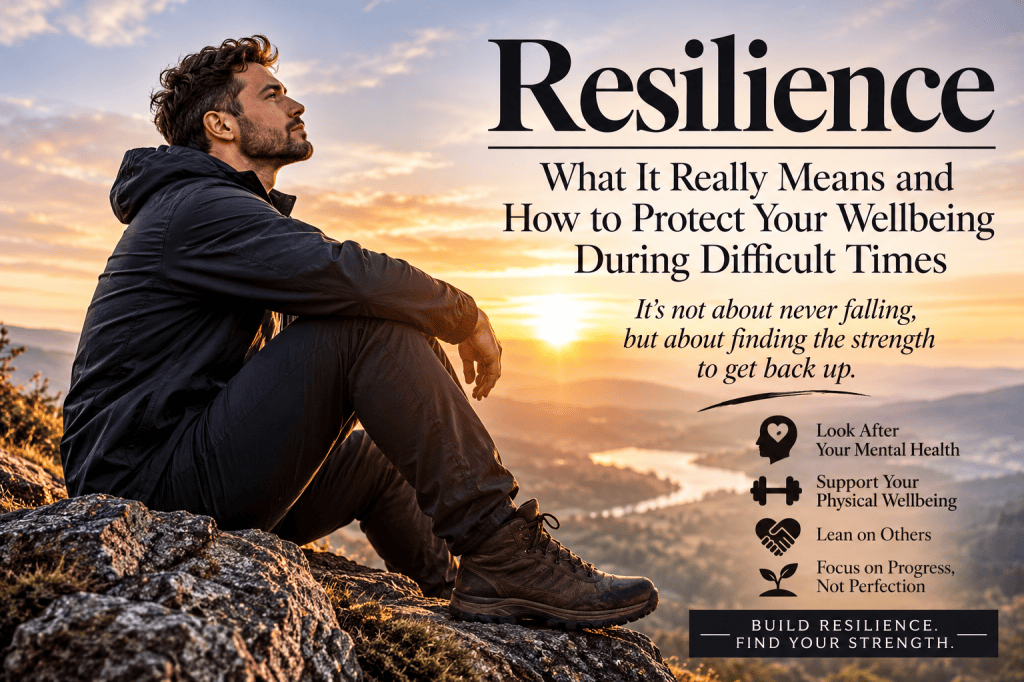
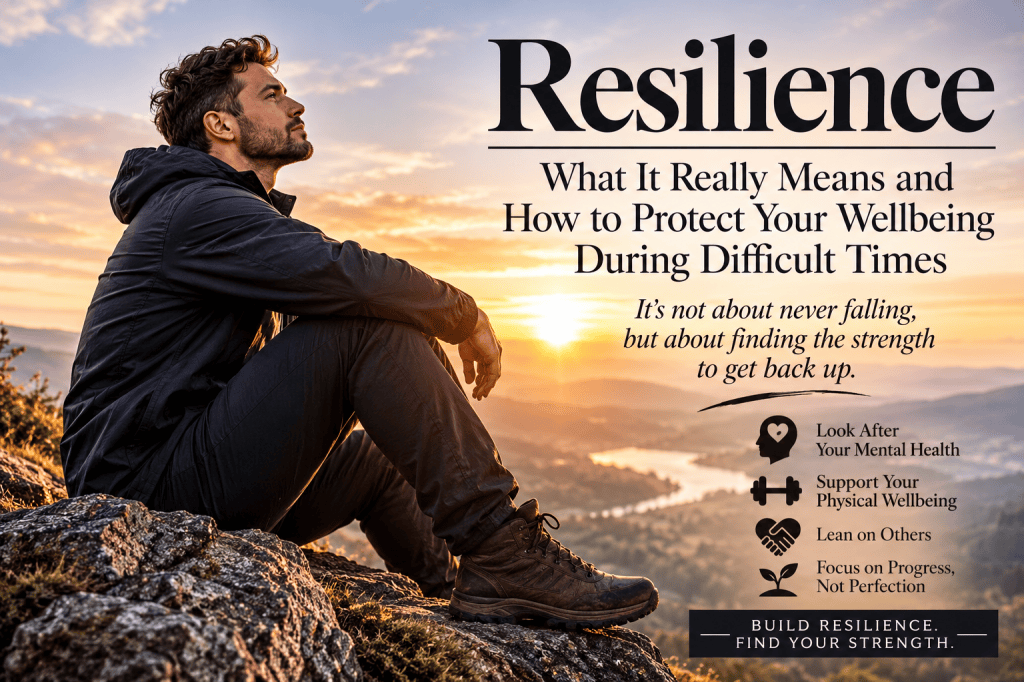
How do you stay resilient in hard times?
Understanding the importance of resilience, learning to adapt and finding the strength to recover when life becomes challenging.
Resilience is a word frequently used when discussing personal development, mental health and overcoming adversity. It is often associated with strength, determination and the ability to keep going when life becomes difficult. However, genuine resilience is more complicated than simply staying strong or refusing to give up.
At its heart, resilience is the ability to adapt to challenging circumstances, manage emotional difficulties and gradually recover from experiences that disrupt our lives. It does not mean being unaffected by hardship, ignoring emotional pain or pretending everything is fine. Instead, it involves recognising difficulties, understanding personal limits and developing healthy ways to move forward.
Everyone experiences challenging periods differently. Financial pressures, relationship difficulties, bereavement, health problems, professional uncertainty and unexpected changes can all affect our emotional and physical wellbeing. Resilience helps people navigate these experiences without allowing temporary difficulties to define their entire lives.
What Does Resilience Really Mean?
Resilience is not an absence of vulnerability. It is the capacity to experience vulnerability while finding ways to adapt and recover.
Someone who demonstrates resilience might experience anxiety, sadness, frustration or uncertainty during difficult circumstances. They may need time to process what has happened, seek support or temporarily step away from certain responsibilities.
These responses do not indicate weakness. In fact, recognising when something is becoming overwhelming and taking appropriate action are important aspects of resilience.
Psychological research recognises resilience as a process influenced by several factors, including personal coping skills, relationships, social support, previous experiences and access to resources.
Importantly, resilience is not necessarily an individual responsibility. Having supportive relationships, financial security, access to healthcare and a stable environment can all influence someone’s ability to recover from adversity.
It is also something that can develop over time. People are not simply born resilient or lacking in resilience. Experiences, learning and supportive environments can help strengthen the ability to manage future challenges.
Why Resilience Matters During Difficult Times
When life becomes particularly demanding, stress can affect both the mind and the body.
Prolonged stress may contribute to disrupted sleep, headaches, muscle tension, fatigue, difficulty concentrating and changes in appetite. It can also affect emotional wellbeing, making people more irritable, anxious or withdrawn.
Although stress is a natural response to challenging situations, prolonged pressure can become difficult to manage.
Developing healthy approaches to resilience can help people recognise stress earlier, respond more constructively and take steps to protect their wellbeing.
Rather than focusing exclusively on getting through the immediate problem, resilience encourages a broader perspective: looking after yourself while working towards recovery.
How to Incorporate Resilience Into Everyday Life
1. Accept That Difficulties Are Part of Life
One of the first steps towards resilience is accepting that not everything can be controlled.
People sometimes exhaust themselves trying to change circumstances that are beyond their influence. Although it is natural to want immediate solutions, recognising what can and cannot be changed can reduce unnecessary emotional pressure.
Acceptance does not mean giving up. It means acknowledging the situation clearly enough to decide what to do next.
2. Focus on What You Can Control
During uncertain periods, concentrating on every possible problem can create additional stress.
Instead, identify manageable actions that are within your control. This might involve organising finances, making an important appointment, addressing a difficult conversation or establishing a more consistent daily routine.
Small achievements can restore a sense of direction when larger circumstances feel overwhelming.
3. Protect Your Physical Health
Mental and physical wellbeing are closely connected. Looking after the body can support emotional recovery, particularly during stressful periods.
Maintaining regular sleep patterns, eating balanced meals, drinking sufficient water and incorporating appropriate physical activity into everyday life can all contribute to general wellbeing.
Exercise does not have to involve an intense fitness programme. Walking, gentle stretching, gardening or other activities suited to individual abilities can help maintain movement and provide a useful break from daily pressures.
Rest is equally important. Resilience should never be confused with constantly pushing yourself beyond your physical limits.
4. Allow Yourself to Experience Emotions
Suppressing difficult emotions does not necessarily make them disappear.
People sometimes feel pressure to remain positive, particularly when others depend on them. However, constantly hiding sadness, frustration or anxiety can make emotional difficulties harder to process.
Allowing yourself to acknowledge what you are feeling is an important part of recovery.
Writing in a journal, talking with someone you trust, practising mindfulness or simply allowing yourself some quiet time can provide opportunities to process difficult experiences.
There is no requirement to feel positive every day.
5. Maintain Meaningful Connections
Resilience does not mean dealing with everything alone.
Supportive relationships can provide reassurance, perspective and practical assistance during difficult circumstances. Friends, family members, colleagues and professional support services can all play an important role.
Sometimes, simply having someone willing to listen without immediately offering solutions can make a considerable difference.
If you are struggling, asking for help should be viewed as a constructive decision rather than a personal failure.
6. Establish Small, Achievable Goals
When circumstances become overwhelming, even ordinary responsibilities can appear difficult.
Breaking larger challenges into smaller tasks can make them easier to approach.
Rather than attempting to resolve everything immediately, concentrate on one achievable objective at a time.
These small steps can gradually rebuild confidence and create a sense of progress.
7. Learn to Establish Boundaries
Resilience also involves understanding when to say no.
Taking on too many responsibilities, constantly prioritising other people’s expectations or feeling obliged to remain available can leave little time for personal recovery.
Establishing boundaries around work, relationships and personal commitments helps protect time and energy.
Recognising that you cannot meet every demand is an important part of maintaining sustainable wellbeing.
8. Develop a Healthier Relationship With Setbacks
Setbacks are an unavoidable part of life. Plans change, opportunities disappear and sometimes our best efforts do not produce the expected results.
Resilience involves understanding that a setback does not automatically represent permanent failure.
Reflecting on what happened, identifying what can be learned and considering alternative approaches can help people move forward.
However, not every difficult experience needs to become a lesson or an opportunity for personal growth. Sometimes recovery simply requires time.
The Importance of Mental Recovery
An important aspect of resilience is recognising that mental recovery cannot always be rushed.
People may feel pressure to return to normal immediately after a difficult experience. However, emotional recovery is rarely a straightforward process.
There may be better days followed by more challenging ones. Progress can sometimes feel slow, particularly when dealing with prolonged stress, loss or significant life changes.
Taking breaks, reducing unnecessary commitments and allowing time for activities that provide enjoyment can support recovery.
Reading, listening to music, spending time outdoors, pursuing hobbies or enjoying moments of quiet can provide valuable opportunities to disconnect from everyday pressures.
If emotional difficulties persist, become overwhelming or interfere with everyday life, seeking help from a healthcare professional is important. Resilience does not replace appropriate medical or psychological support.
Resilience Is Not About Being Strong All the Time
One of the biggest misconceptions surrounding resilience is that strong people never struggle.
In reality, someone can be resilient and still experience moments of uncertainty, exhaustion or emotional distress.
Strength can mean recognising that you need rest. It can mean admitting that something has become too difficult to manage alone. It can also mean making the decision to change direction rather than continuing along a path that is damaging your wellbeing.
There is an important distinction between perseverance and self-neglect.
Continuing regardless of the consequences is not always a sign of strength. Sometimes, the most resilient decision is to pause, reassess and choose a healthier way forward.
Finding Strength in the Process of Recovery
Resilience is not measured by how quickly someone returns to their previous circumstances. It is better understood through the ability to adapt, seek support and gradually establish a healthier way of living following adversity.
For some people, recovery might involve rebuilding confidence after a professional disappointment. For others, it could mean adjusting to a major life change, managing financial uncertainty or learning to live with circumstances they cannot immediately alter.
There is no universal timetable for recovery, and comparing personal progress with someone else’s experience can create unnecessary pressure.
What matters is recognising individual needs and taking constructive steps towards stability.
Final Thoughts: Resilience Is About Recovery, Not Perfection
Life rarely follows a predictable path. Difficulties, disappointments and unexpected changes are part of the human experience. Although we cannot always control what happens to us, we can develop healthier ways of responding to challenging circumstances.
Real resilience is not about becoming emotionally invulnerable or pretending that hardship does not hurt. It is about understanding personal limits, protecting physical and mental wellbeing, maintaining meaningful relationships and finding manageable ways to move forward.
Sometimes resilience means taking action. At other times, it means resting, asking for help or accepting that recovery will take longer than expected.
Ultimately, resilience is not about never falling apart. It is about recognising when life has become difficult, giving yourself permission to recover and gradually finding the confidence to begin again.
The strongest approach to difficult times is not simply learning how to endure them, but learning how to look after yourself while finding a way through them.









Leave a Reply