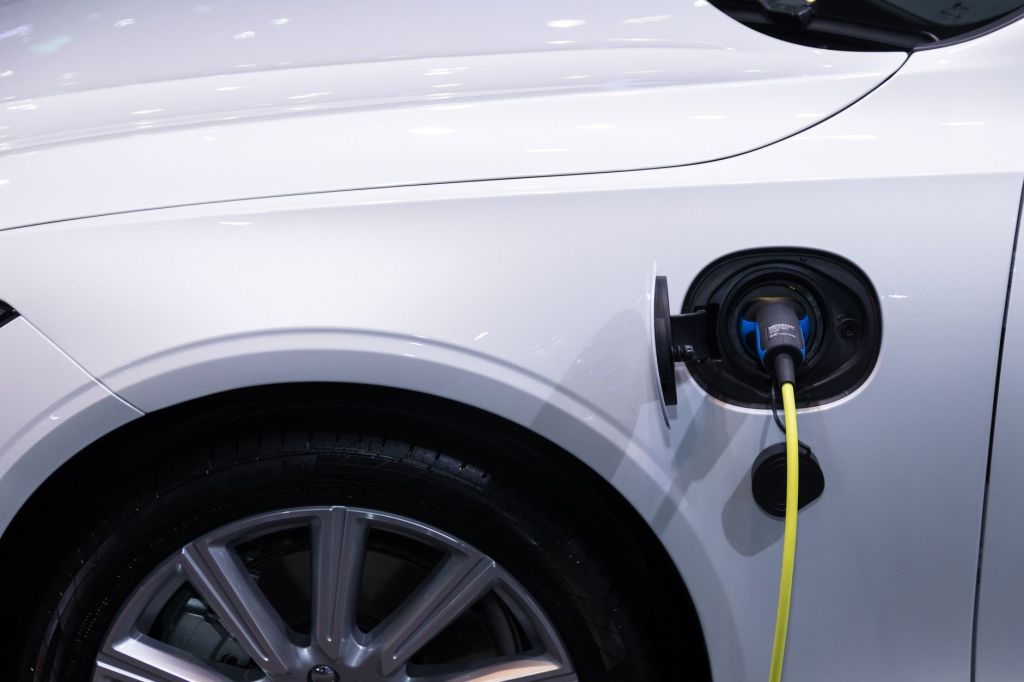
The automotive industry is experiencing one of the most significant transformations in its history. Electric cars, once considered a relatively unusual alternative to traditional petrol and diesel vehicles, are becoming an increasingly familiar sight on roads around the world.
As manufacturers invest in new technology, governments introduce environmental policies and consumers reconsider their transport choices, electric vehicles are playing an increasingly important role in discussions about the future of driving.
But what does this transition mean for motorists, the automotive industry and the way we travel?
The Growing Popularity of Electric Cars
Electric vehicle ownership has expanded considerably over recent years. Improvements in battery technology, greater vehicle choice and increasing investment in charging infrastructure have helped make electric cars a more realistic option for everyday motorists.
According to the International Energy Agency’s Global EV Outlook 2026, worldwide electric car sales exceeded 20 million in 2025, representing approximately one-quarter of all new cars sold.
Manufacturers including Tesla, Volkswagen, BMW, Mercedes-Benz, Hyundai and numerous Chinese automotive companies are competing in an increasingly diverse electric vehicle market.
The growing range of models means consumers can now consider electric alternatives across several vehicle categories, from smaller city cars to family vehicles and luxury models.
The Environmental Argument
One of the main reasons behind the development of electric cars is the potential to reduce pollution and greenhouse gas emissions.
Unlike conventional petrol and diesel vehicles, fully electric cars produce no exhaust emissions while being driven. This can help improve local air quality, particularly in busy towns and cities.
However, their environmental impact is more complicated than simply having no exhaust emissions.
Electric vehicle manufacturing requires energy and raw materials, particularly for batteries. The environmental consequences of extracting lithium, nickel and other materials are important considerations.
The electricity used to charge vehicles also matters. Charging with electricity generated from renewable sources can reduce overall emissions compared with electricity produced using fossil fuels.
Nevertheless, electric vehicles offer an important opportunity to reduce the environmental impact of road transport over their lifetime.
Battery Technology Is Changing Motoring
Battery development is central to the future of electric cars.
Early electric vehicles were often criticised for their limited driving range and lengthy charging times. Although these concerns have not disappeared completely, technological improvements have helped address many of them.
Modern electric vehicles offer increasingly competitive driving ranges, while improvements in charging technology are making it possible for some models to recharge much more quickly.
Manufacturers and researchers are also investigating new battery designs, including solid-state batteries, which could eventually offer improvements in energy density, charging performance and safety.
However, widespread commercial adoption will depend on manufacturing costs, reliability and the ability to produce these technologies at scale.
The Importance of Charging Infrastructure
For electric cars to become a practical choice for more motorists, reliable charging infrastructure is essential.
Drivers who can charge at home often find electric vehicle ownership more convenient. However, people living in flats, terraced properties or homes without driveways may depend heavily on public charging facilities.
The UK has continued expanding its public charging network. Department for Transport statistics recorded 121,171 publicly available electric vehicle chargers across the country as of 1 July 2026.
This represents considerable progress, although availability, charging speed and geographical distribution remain important issues.
Motorists undertaking longer journeys also need confidence that charging facilities will be available when required.
Improving the reliability and accessibility of charging networks will therefore be an important part of the transition towards electric motoring.
Will Electric Cars Become More Affordable?
Purchase price remains one of the biggest considerations for potential electric vehicle buyers.
Although prices have become more competitive in several market segments, some electric cars remain more expensive to purchase than comparable petrol or diesel alternatives.
However, the overall cost of ownership involves more than the initial purchase price.
Electric vehicles generally have fewer moving mechanical parts than conventional combustion-engine vehicles, potentially reducing certain maintenance requirements.
Electricity can also be cheaper than petrol or diesel, particularly for motorists who have access to convenient home charging and competitive electricity tariffs.
Nevertheless, insurance, depreciation, battery condition and public charging costs should all be considered when comparing vehicles.
As battery production develops and competition between manufacturers increases, affordability could become one of the major factors influencing future electric car ownership.
Artificial Intelligence and the Future Driving Experience
The future of motoring will involve more than replacing petrol engines with electric motors.
Technology is increasingly influencing how vehicles operate, communicate and respond to their surroundings.
Modern electric cars often feature sophisticated digital displays, connected services, advanced driver assistance systems and software updates delivered remotely.
Artificial intelligence is also becoming more important within the automotive industry.
It can support vehicle safety systems, energy management, navigation and the development of increasingly sophisticated driver assistance technology.
Although autonomous driving remains a developing area, automated vehicle technology could eventually change how people use their cars.
However, safety, regulation, cybersecurity and public confidence will remain essential considerations before fully autonomous vehicles become commonplace.
The Challenges Facing the Automotive Industry
Despite the progress being made, the transition to electric motoring is not without challenges.
Battery production depends on international supply chains and access to important raw materials. Manufacturers must also manage production costs, competition and changing consumer expectations.
Charging infrastructure needs continued investment, while electricity networks must be capable of supporting increasing demand.
There are also questions surrounding battery recycling and what happens to vehicles when their batteries reach the end of their useful lives.
Developing effective recycling systems will be important in reducing waste and recovering valuable materials.
Furthermore, not every motorist has the same driving requirements. Rural drivers, people who regularly travel long distances and those without access to home charging may face different challenges from urban motorists.
The transition will therefore require practical solutions rather than assuming that one type of vehicle suits everybody.
What Does the Future Hold?
The International Energy Agency expects electric vehicles to account for an increasingly significant share of the global automotive market.
Its 2026 outlook projects that electric car sales could reach approximately 23 million worldwide during 2026, representing around 28% of total car sales.
These developments suggest that electric motoring is no longer a distant possibility but an established part of the automotive industry’s direction.
Future developments are likely to include more affordable models, improved battery performance, faster charging facilities and increasingly connected vehicles.
Traditional manufacturers will also face continued pressure to adapt as new competitors enter the market and consumer expectations change.
However, petrol and diesel vehicles will not disappear overnight. The transition will take time and will vary between countries, manufacturers and individual motorists.
A New Chapter in Motoring History
Cars have always reflected the society in which they are designed and driven. From the introduction of mass-produced automobiles to the development of modern safety systems and hybrid technology, the automotive industry has continually evolved.
Electric vehicles represent another important chapter in that history.
Their growing popularity raises questions about environmental responsibility, technological innovation, affordability and personal freedom.
For some motorists, electric cars already offer an attractive alternative to traditional vehicles. For others, concerns about charging, cost and practicality remain significant.
Ultimately, the future of driving is unlikely to be shaped by technology alone. It will depend on whether manufacturers, governments and infrastructure providers can create a system that works for ordinary motorists.
One thing is becoming increasingly clear: the automotive world is changing, and the journey towards the future of motoring is already underway.









Leave a Reply