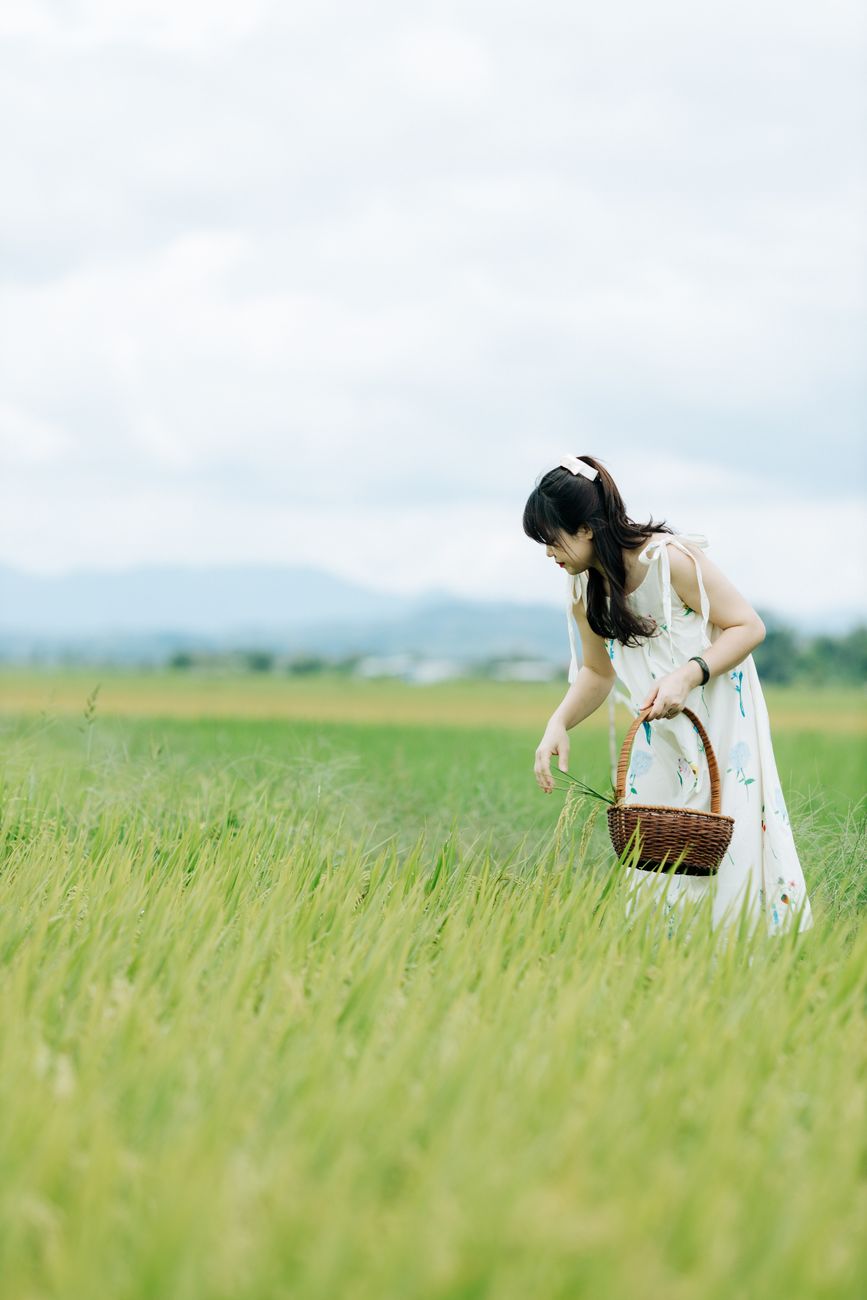

The modern meaning of luxury is changing. For many people, true luxury is no longer about owning more, spending more or displaying wealth. Instead, it is increasingly associated with simplicity, quality, comfort and the freedom to enjoy life without unnecessary complications.
For decades, luxury has often been connected with expensive possessions, designer labels, impressive homes and extravagant lifestyles. The assumption was that having more represented greater success. However, attitudes towards consumption and personal wellbeing have encouraged a different way of thinking. Increasingly, simplicity is being recognised as something equally valuable, if not more desirable, than excess.
The Appeal of Having Less
There is a particular satisfaction in a home that feels calm, organised and comfortable. A carefully chosen piece of furniture, natural lighting, uncluttered surroundings and a few meaningful possessions can create an atmosphere that feels considerably more inviting than a room filled with expensive objects.
The same principle applies to everyday life. Having fewer unnecessary commitments, avoiding excessive spending and making more deliberate choices can create a greater sense of control.
Simplicity does not necessarily mean living without possessions or abandoning the things that bring enjoyment. Rather, it involves recognising what genuinely adds value and reducing what does not.
Quality Over Quantity
One of the clearest examples of modern simplicity can be found in fashion.
A wardrobe filled with expensive clothing does not automatically guarantee personal style. A smaller collection of well-made, versatile garments can provide considerably more flexibility and longevity.
The same philosophy applies to interior design, technology and everyday purchases. Choosing something because it is useful, durable and well designed rather than simply because it is fashionable encourages a more considered approach to consumption.
This is where simplicity and luxury meet. Quality becomes more important than quantity, while thoughtful decisions replace the pressure to constantly acquire something new.
The Relationship Between Simplicity and Wellbeing
There is also a psychological dimension to the appeal of simpler living.
A 2023 systematic review published in The Journal of Positive Psychology examined 23 empirical studies exploring minimalism, voluntary simplicity and wellbeing. The researchers identified a consistent positive relationship between voluntary simplicity and wellbeing, although they acknowledged that further research is needed.
Reducing unnecessary possessions and consumption may help people focus on personal priorities rather than continually pursuing material rewards.
A less cluttered environment can also make everyday tasks feel more manageable. Spending less time organising, maintaining and replacing possessions may leave more time for activities that provide genuine satisfaction.
Importantly, simplicity is not a guaranteed solution to stress or unhappiness. Financial circumstances, personal responsibilities and individual preferences all influence how people experience their surroundings and lifestyles.
Nevertheless, the research suggests that a more considered relationship with possessions can have meaningful benefits.
The Luxury of Time
Perhaps one of the greatest luxuries in modern life is time.
Time to read a book without interruption, enjoy a leisurely meal, take a walk, listen to music or simply sit quietly can feel increasingly valuable in a world where people are constantly connected and surrounded by information.
An excessive lifestyle can sometimes create additional responsibilities. More possessions require maintenance, larger homes require attention and constant purchasing can become an ongoing financial commitment.
Choosing simplicity can create opportunities to step away from some of these demands.
Rather than measuring success through the number of possessions someone owns, it becomes possible to measure it through the quality of their experiences and the freedom they have to enjoy them.
Simplicity in the Modern Home
Interior design provides another example of why simplicity can feel luxurious.
Minimalist interiors often place emphasis on natural materials, neutral colours, functional furniture and carefully selected decorative details.
The objective is not necessarily to create an empty or characterless environment. Instead, it is to give individual elements room to be appreciated.
A comfortable sofa, attractive lighting, quality bedding and a thoughtfully arranged living space can create an environment that feels welcoming without requiring extravagant spending.
The appeal comes from the atmosphere rather than the price of individual items.
A More Considered Approach to Spending
Simplicity can also encourage healthier purchasing habits.
Rather than buying something because it is heavily advertised, fashionable or associated with a particular lifestyle, people can consider whether it genuinely meets their needs.
This approach may reduce impulse purchases, unnecessary waste and the financial pressure associated with maintaining an expensive lifestyle.
Research published in the Journal of Environmental Psychology in 2025 also explored the relationship between minimalism, environmental impact and wellbeing. Its findings suggested that certain forms of minimalism, particularly those involving fewer possessions and more mindful consumption, were associated with smaller ecological footprints and positive emotional outcomes.
This demonstrates that simplicity can extend beyond personal preference to wider considerations about consumption and the environment.
Redefining What Luxury Means
Ultimately, luxury is subjective. For one person, it may mean travelling internationally, enjoying fine dining or owning beautiful designer clothing. For another, it may mean a peaceful home, financial security, good health, meaningful relationships and time to pursue personal interests.
There is no requirement to reject extravagance or expensive possessions to appreciate simplicity. The important distinction is between choosing something because it genuinely brings enjoyment and acquiring things simply because society suggests they represent success.
Perhaps the greatest change is that luxury no longer needs to be demonstrated to other people.
It can be found in the comfort of familiar surroundings, the pleasure of owning something that lasts, the freedom from unnecessary commitments and the ability to appreciate ordinary moments.
Finding Luxury in Less
The appeal of simplicity is not about having the least or denying yourself life’s pleasures. It is about making room for the things that matter.
In a culture that frequently encourages people to acquire more, choosing to be content with what you already have can be a refreshing alternative.
True luxury may not always be found in the most expensive shop, the largest house or the most impressive possessions.
Sometimes, it is found in a quieter home, a slower morning, a carefully chosen wardrobe and the freedom to enjoy life without constantly wanting something else.
Perhaps the greatest luxury of all is discovering that you already have enough.




Leave a Reply