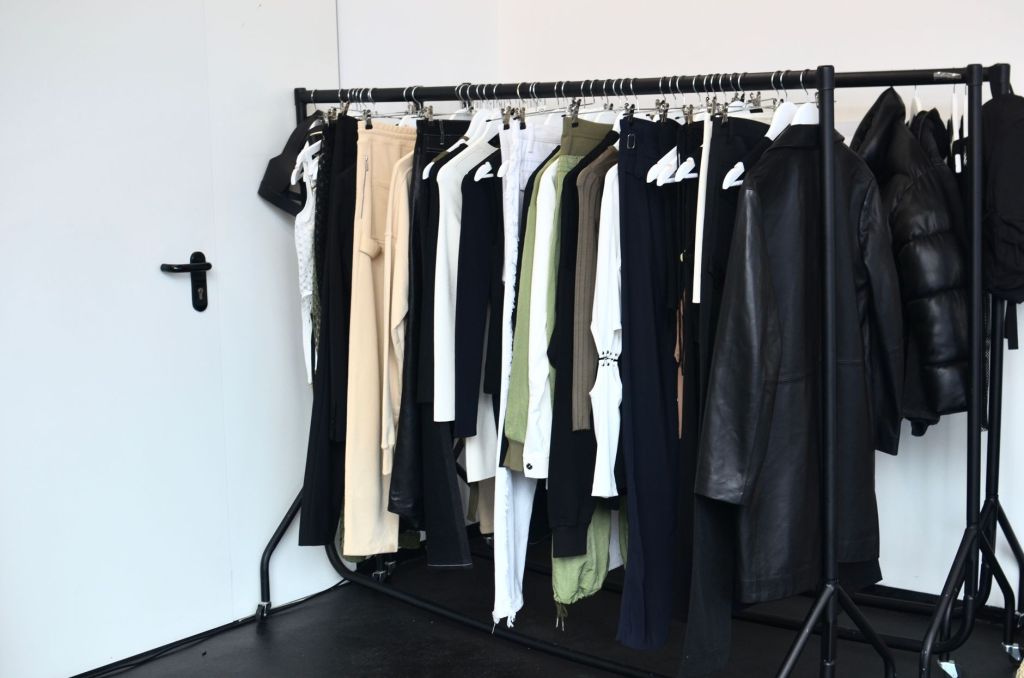
Luxury fashion has traditionally been associated with exclusivity, craftsmanship and the prestige of owning something new. However, the growing popularity of second-hand luxury is changing the way consumers think about designer clothing, handbags, watches, jewellery and accessories.
Once largely associated with vintage shops and specialist dealers, the resale market has developed into a significant part of the modern fashion industry. Online marketplaces, specialist resale platforms and changing consumer attitudes have helped make pre-owned luxury more accessible to a wider audience.
Why Second-Hand Luxury Is Growing
One of the main attractions of second-hand luxury is the opportunity to purchase designer products at prices that may be lower than their original retail cost. For consumers who appreciate established fashion houses but find new luxury products expensive, pre-owned items can offer an alternative route into the market.
The appeal extends beyond price. Many buyers are interested in finding discontinued designs, vintage handbags, rare accessories and pieces that are no longer available through traditional retail channels. For collectors and fashion enthusiasts, the search for a distinctive item can be just as rewarding as the purchase itself.
Luxury resale also reflects a broader shift in attitudes towards ownership. Rather than viewing fashion as something that must always be purchased new, consumers can increasingly see clothing and accessories as items that can be bought, enjoyed and passed on to another owner.
The Influence of Online Shopping
Digital platforms have played an important role in the expansion of second-hand luxury. Online marketplaces allow buyers to browse products from different sellers, compare prices and discover items from international markets without visiting multiple physical shops.
Detailed product photographs, descriptions, seller ratings and authentication services can help buyers make more informed decisions. Some specialist retailers also inspect products before listing them, offering additional reassurance when purchasing expensive pre-owned goods.
Social media and online fashion communities have contributed to the visibility of vintage and second-hand designer pieces. Influencers, stylists and fashion enthusiasts frequently demonstrate how pre-owned items can be incorporated into contemporary wardrobes, helping challenge the idea that luxury must always be brand new.
However, buyers should still exercise caution. Counterfeit products remain a concern in the luxury market, and authentication standards vary between sellers and platforms. Checking a seller’s reputation, understanding the returns policy and using credible authentication services are sensible precautions.
Sustainability and the Circular Fashion Economy
Environmental considerations are another factor behind the interest in second-hand luxury. Extending the useful life of an existing garment or accessory can reduce the need to replace it with a newly manufactured equivalent.
This approach forms part of the circular economy, which aims to keep products and materials in use for longer through reuse, repair, resale and recycling.
Luxury goods can be particularly suitable for resale when they are made from durable materials and designed to withstand years of use. A well-maintained leather handbag, quality coat or classic watch may remain desirable long after its original purchase.
Nevertheless, second-hand shopping should not automatically be described as environmentally harmless. The overall impact depends on factors such as product longevity, shipping, packaging, repairs and whether buying pre-owned genuinely replaces the purchase of a new item. Keeping products in circulation can be beneficial, but the environmental outcome varies.
Quality, Craftsmanship and Longevity
A further reason for the appeal of pre-owned luxury is the emphasis many established luxury brands place on materials, construction and design. Some products are created with longevity in mind, making them attractive to buyers who value durability over short-lived trends.
Classic designs can also retain their appeal across generations. A vintage handbag, tailored jacket or traditional wristwatch may offer a sense of individuality that is harder to achieve through mass-market fashion.
However, quality alone does not guarantee that an item will retain its financial value. Resale prices depend on several factors, including brand reputation, condition, rarity, demand and authenticity. Although certain luxury products appreciate in value, others lose value over time. Buying pre-owned should therefore be approached primarily as a purchasing decision rather than a guaranteed investment.
The Importance of Trust and Authentication
As the market expands, authenticity has become one of its most important considerations. Counterfeit designer goods can be difficult to distinguish from genuine products, particularly when shopping online.
In May 2026, the UK’s Intellectual Property Office published guidance to help consumers identify counterfeit fashion products when buying second-hand. The guidance highlighted the importance of checking authenticity before completing a purchase. <Cite refs={[“turn927887search5”]}/>
Buyers can reduce risks by using reputable resale businesses, examining product descriptions and photographs carefully, checking available proof of purchase and researching typical prices. Where possible, independent authentication can provide additional reassurance.
It is also important to understand that branded packaging, certificates and receipts are not always conclusive proof of authenticity, as these can be copied or misrepresented.
A Changing Definition of Luxury
The growth of second-hand luxury reflects a wider change in how people define value. For some consumers, luxury is increasingly about owning something well made, distinctive and enduring rather than simply purchasing the latest collection.
Pre-owned shopping can also make designer fashion more accessible to people who want to explore different styles without paying full retail prices. At the same time, collectors continue to seek rare pieces with historical significance or distinctive design features.
For luxury brands, this creates both opportunities and challenges. Resale can introduce products to new customers and extend their life beyond the original sale, while raising questions about exclusivity, brand control and the relationship between new and pre-owned goods. Research published in 2026 has examined precisely this balance between sustainability and the traditional appeal of luxury exclusivity. <Cite refs={[“turn927887search0″,”turn927887search11”]}/>
The Future of Second-Hand Luxury
Second-hand luxury is no longer simply a niche interest for vintage enthusiasts. It has become an established part of the fashion landscape, supported by digital marketplaces, changing shopping habits and renewed interest in the lifespan of consumer goods.
As the market develops, authentication, transparent product information and reliable resale services are likely to remain essential to consumer confidence. Brands and specialist retailers may also find further opportunities to participate directly in resale rather than leaving the market entirely to independent sellers.
Ultimately, the appeal of second-hand luxury lies in its combination of craftsmanship, individuality, accessibility and the opportunity to give desirable products a second life.
For the modern consumer, luxury does not necessarily have to mean buying something new. Sometimes, the most interesting purchase is one that already has a history.








Leave a Reply