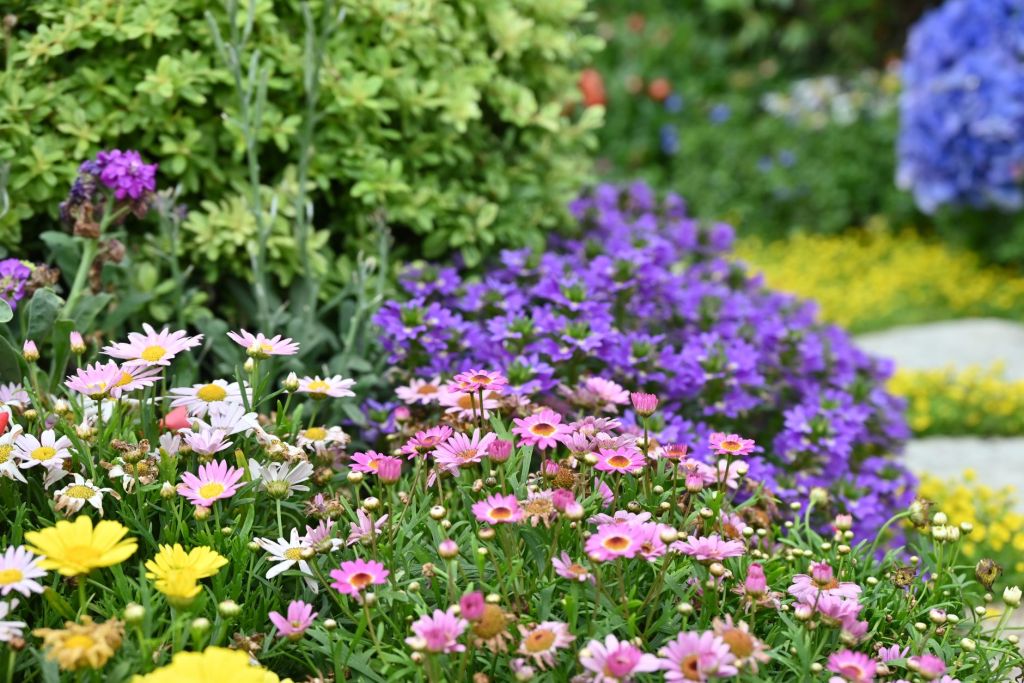
A garden does not need to be large to make a meaningful difference to a home. Even the smallest outdoor space can become a place for relaxation, creativity and connection with nature. From compact urban courtyards and narrow terraces to modest back gardens and balconies, thoughtful design can transform limited space into something both practical and beautiful.
As more people look for ways to improve their homes and make better use of the space they have, small gardens offer an opportunity to demonstrate that good design is not necessarily about size. It is about making considered choices and understanding how an outdoor area can best serve the people who use it.
Think Vertically to Create More Space
One of the most effective ways to maximise a small garden is to look upwards rather than concentrating exclusively on the ground.
Vertical gardening allows plants to grow along walls, fences, trellises and purpose-built structures. Climbing plants, hanging baskets and wall-mounted planters can introduce greenery without taking up valuable floor space.
This approach can be particularly useful in urban gardens, where ground space may be restricted. It also creates visual interest by introducing different heights, textures and layers of foliage.
However, vertical planting should be planned carefully. Plants have different requirements for sunlight, water and growing room, while heavier containers need suitable support.
Choose Plants That Suit the Space
Selecting the right plants is essential when designing a compact garden. Rather than filling every available area, it is often more effective to choose a smaller selection of plants that complement one another and suit the conditions.
Evergreen shrubs can provide structure throughout the year, while seasonal flowers introduce colour at different times. Ornamental grasses offer movement and texture, and herbs can combine practical use with attractive foliage.
Container gardening is another useful option. Pots and planters make it possible to grow flowers, herbs, vegetables and even certain small trees in spaces where planting directly into the ground is not possible.
The key is to consider the mature size of each plant, its light requirements and how much maintenance it needs. A carefully chosen collection can create a more balanced appearance than an overcrowded arrangement.
Make Every Corner Count
Small gardens benefit from purposeful layouts. A narrow pathway, a compact seating area or a carefully positioned planter can help define different parts of the space without making it feel crowded.
Multi-purpose furniture is particularly valuable. A bench with built-in storage, folding chairs or a small table that can be moved when needed can make an outdoor area more flexible.
Corners that might otherwise be overlooked can accommodate a tall planter, a small water feature or a comfortable chair. Even a modest space beside a doorway can become an attractive place to sit with a book or enjoy a morning drink.
Keeping pathways clear and avoiding unnecessary furniture can also help the garden feel more open and accessible.
Use Colour, Texture and Lighting
Colour can influence how a small garden feels. Lighter surfaces and carefully chosen planting schemes may help create an impression of openness, while contrasting foliage and flowers add depth.
There is no single colour scheme that works for every garden. Some people prefer a restrained palette of green, white and natural materials, while others enjoy bright flowers and bold decorative features.
Texture is equally important. Combining smooth paving, wooden furniture, leafy plants and ornamental grasses can make a garden visually interesting even when the overall colour scheme is simple.
Lighting extends the usefulness of an outdoor space into the evening. Solar lights, low-level path lighting and outdoor-rated lanterns can highlight planting, improve visibility and create a welcoming atmosphere. Lighting should be positioned thoughtfully to avoid glare and unnecessary disturbance to neighbouring properties or wildlife.
Grow Something Useful
A small garden can be productive as well as decorative. Herbs such as mint, parsley, chives and thyme can grow successfully in suitable containers, while salad leaves, radishes and some compact vegetable varieties may thrive in pots or raised planters.
Growing food at home provides an opportunity to learn about plant care, seasonal growing and the conditions plants need to flourish. It can also make practical use of sunny corners that might otherwise remain empty.
Success depends on choosing suitable varieties, providing adequate drainage and ensuring plants receive the appropriate amount of sunlight and water. Containers may dry out more quickly than garden beds, particularly during warm weather, so regular checks are important.
Even a single pot of herbs can introduce a useful and rewarding element to a small outdoor space.
Create a Place to Relax
A garden does not have to be filled with plants or decorative features to be successful. For many people, its greatest value lies in providing somewhere to pause, read, listen to music or spend time with family and friends.
A comfortable chair, a small table and a few well-positioned plants may be enough to establish a relaxing outdoor retreat. Privacy can be improved through suitable screening, climbing plants or carefully placed shrubs, provided these do not overwhelm the available space.
The most effective design is one that reflects how the garden will actually be used. A household that enjoys outdoor dining may prioritise a compact table, while someone seeking a quiet retreat might prefer a secluded seat surrounded by greenery.
Consider Wildlife and Sustainability
Small gardens can also contribute to local biodiversity. Flowering plants that provide nectar and pollen, suitable water sources and dense planting can offer resources for insects and other wildlife.
Choosing plants that flower at different times of the year can help provide a more continuous source of food for pollinators. Where appropriate, gardeners can also leave small areas of natural growth or incorporate wildlife-friendly features.
Sustainable choices can make a difference, too. Collecting rainwater where practical, using peat-free growing media and reusing suitable containers can help reduce waste and resource consumption.
Even limited outdoor spaces can provide valuable opportunities to connect with nature, although the benefits depend on the plants and features selected and the surrounding environment.
The Importance of Simplicity
One of the biggest challenges in a small garden is resisting the temptation to include too many ideas at once. Too much furniture, excessive decoration or a large number of competing plants can make the space difficult to use and maintain.
A clear design, a manageable planting scheme and a few carefully chosen features often produce a more effective result. Leaving some open space allows individual elements to stand out and gives people room to move comfortably.
It is also worth remembering that gardens evolve. Plants grow, sunlight changes throughout the seasons and household needs may develop over time. Starting with a simple plan makes it easier to adjust the space as experience and preferences change.
Small Gardens, Lasting Possibilities
Small gardens demonstrate that outdoor design is not defined by the amount of land available. With thoughtful planting, practical furniture, creative use of vertical space and attention to everyday needs, even a modest area can become an attractive extension of the home.
Whether the goal is to grow herbs, support wildlife, create a place to relax or simply enjoy a little more greenery, the possibilities are varied.
Ultimately, making the most of a small garden is about recognising its potential. With a little imagination and a considered approach, limited space can offer plenty of opportunities for comfort, creativity and enjoyment.









Leave a Reply