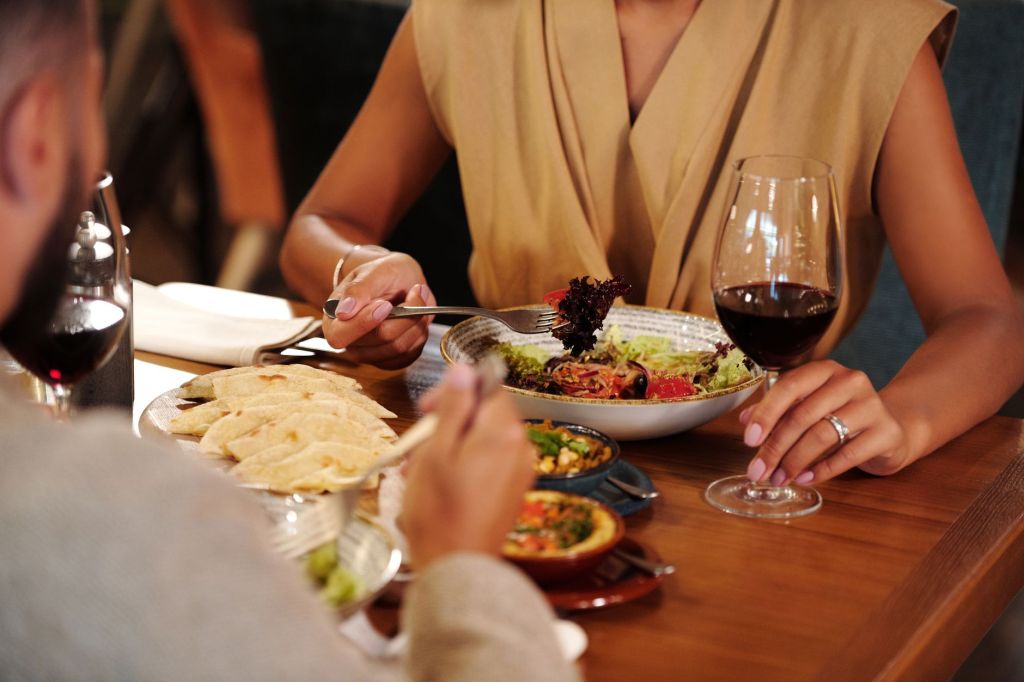
Eating out has long been an important part of social life, bringing people together to celebrate milestones, enjoy different cuisines and take a break from the responsibilities of everyday living. However, the culture of dining out continues to evolve. Changes in lifestyles, technology, food preferences and household budgets have influenced how people choose restaurants and what they expect from the experience.
Today, eating out is about more than simply ordering a meal. For many people, it has become an opportunity to socialise, explore different cultures, discover new flavours and enjoy experiences that extend beyond the food itself.
From Formal Dining to Casual Experiences
Traditionally, restaurants were often associated with special occasions, business meetings and formal celebrations. While fine dining remains an important part of the hospitality industry, casual restaurants, cafés, street-food venues and independent eateries have expanded the range of dining experiences available.
Many people now enjoy less formal settings where they can relax with friends, meet family members or spend time alone without feeling that dining out needs to be a major event.
This shift reflects broader changes in lifestyles. Flexible working arrangements, busier schedules and changing social habits have created opportunities for people to incorporate restaurant visits into ordinary routines rather than reserving them exclusively for birthdays, anniversaries or holidays.
The modern dining landscape offers something for almost every occasion, from a quick lunch during the working day to a carefully planned evening meal.
Food as a Cultural Experience
One of the most interesting aspects of modern dining is the opportunity to experience different cultures through food.
Restaurants serving Italian, Chinese, Indian, Japanese, Mexican, Thai and numerous other cuisines allow diners to explore ingredients, cooking methods and flavour combinations from around the world.
Global travel, migration and the international exchange of culinary ideas have helped introduce different food traditions to wider audiences. Dishes that were once unfamiliar to some diners have become familiar features of restaurant menus in many countries.
Food can also provide a connection to heritage and identity. Traditional recipes passed between generations often carry memories of family gatherings, celebrations and cultural traditions. Restaurants that preserve these culinary practices can help introduce them to new audiences while maintaining a connection to their origins.
At the same time, chefs frequently combine influences from different culinary traditions, creating new interpretations of familiar dishes. This exchange demonstrates how food culture continues to develop.
The Influence of Social Media
Digital technology has changed how many people discover restaurants and decide where to eat.
Online reviews, food blogs, restaurant websites and social media platforms provide access to photographs, menus and customer experiences before a booking is made. This makes it easier for diners to compare venues, explore unfamiliar cuisines and find establishments that suit their preferences.
Visual presentation has also become an important consideration for some restaurants. Carefully presented dishes, distinctive interiors and attractive dining spaces can encourage customers to photograph and share their experiences online.
However, a restaurant’s popularity on social media does not necessarily guarantee the quality of its food or service. Reviews and photographs provide useful information, but personal taste, value for money and the overall atmosphere remain important factors when choosing where to eat.
For restaurant owners, maintaining a positive reputation increasingly involves balancing the appeal of online visibility with the practical realities of delivering a consistently good dining experience.
Value for Money and Changing Expectations
The cost of eating out has become an important consideration for households managing everyday expenses. Restaurant meals involve more than the cost of ingredients; businesses must also cover staffing, rent, energy, equipment and other operating costs.
As a result, diners may pay closer attention to portion sizes, menu prices, special offers and the overall value of an experience.
Value, however, does not always mean choosing the cheapest option. Some customers are willing to pay more for fresh ingredients, attentive service, an appealing atmosphere or a distinctive menu. Others may prefer cafés, lunchtime offers, smaller independent restaurants or sharing dishes to make dining out more affordable.
Restaurants have responded to changing expectations in different ways, including offering set menus, early-evening deals, takeaway options and menus designed to accommodate different budgets.
The challenge for the hospitality industry is to provide an experience that customers consider worthwhile while managing the rising costs of running a business.
Health, Dietary Choices and Food Transparency
Awareness of nutrition, food allergies and dietary preferences has also influenced restaurant menus.
Many establishments now offer vegetarian and vegan dishes alongside traditional meat-based options. Gluten-free alternatives, plant-based ingredients and menus that identify common allergens have become familiar features of many dining environments.
These developments reflect a variety of motivations, including personal health considerations, ethical beliefs, environmental concerns and individual taste.
Clear information about ingredients and allergens is particularly important for people who need to avoid specific foods for medical reasons. In the UK, food businesses have legal responsibilities concerning allergen information, although the precise requirements depend on how food is prepared and sold.
Greater transparency can help diners make informed choices and feel more confident when trying unfamiliar dishes.
Nevertheless, the availability of a particular dietary option varies between restaurants, and customers with serious allergies may still need to contact an establishment before visiting.
The Importance of Atmosphere and Connection
Although food remains central to the restaurant experience, the environment in which it is served can be equally significant.
Lighting, music, seating, interior design and the quality of customer service all contribute to how people perceive a restaurant. Some diners prefer lively venues filled with conversation, while others value quieter surroundings where they can enjoy an uninterrupted meal.
Eating out also continues to provide an opportunity for human connection. Friends can catch up, couples can spend time together, colleagues can build professional relationships and families can create shared memories.
In an increasingly digital world, sitting around a table and sharing a meal offers a simple way to spend time together away from everyday distractions.
Dining alone has also become a more visible part of restaurant culture. Whether travelling, taking a break from work or simply enjoying personal time, individuals can use restaurants as places to relax and enjoy a meal independently.
Sustainability and Responsible Dining
Environmental awareness is influencing conversations about how food is produced, transported, prepared and served.
Some restaurants are placing greater emphasis on seasonal ingredients, locally sourced produce, plant-based dishes and reducing food waste. Others are reviewing packaging, energy consumption and purchasing practices as part of broader sustainability efforts.
The benefits of these approaches depend on how they are implemented. Local sourcing, for example, can support nearby producers, but the environmental impact of a meal also depends on factors such as production methods, storage, transport and the types of ingredients used.
For diners, sustainability may be one consideration among many when choosing where to eat. For restaurants, it can provide an opportunity to demonstrate responsible practices while responding to customers who want to understand more about the food they consume.
However, sustainable dining is not a single approach, and restaurants differ considerably in the measures they can realistically adopt.
The Role of Technology in Modern Restaurants
Technology has become an increasingly familiar part of the dining experience. Online reservations, digital menus, contactless payments and food-delivery applications have changed how customers interact with restaurants.
These tools can make certain processes faster and more convenient, particularly for people who prefer to plan ahead or order food from home.
Some establishments have also introduced self-service ordering systems and digital loyalty schemes. While these developments can improve efficiency, they may not appeal to every customer.
Personal service remains an important part of hospitality. For many diners, a welcoming greeting, knowledgeable staff and the opportunity to ask questions are essential elements of a positive experience.
The future of restaurant technology is therefore likely to involve a balance between convenience and the human interaction that makes hospitality distinctive.
The Future of Eating Out
The culture of eating out will continue to change as social habits, economic circumstances and consumer expectations evolve.
Restaurants will need to respond to changing tastes while maintaining food quality, responsible business practices and a welcoming environment. Some will focus on innovative menus and distinctive experiences, while others will succeed by offering familiar dishes, dependable service and affordable meals.
There is unlikely to be one universal definition of the perfect dining experience. For some people, it means discovering an ambitious new restaurant. For others, it is a relaxed lunch at a neighbourhood café or a familiar meal shared with loved ones.
What connects these experiences is the role food plays in everyday life. Eating out can provide convenience, entertainment, cultural discovery and social connection, often within the same visit.
Conclusion
The changing culture of eating out reflects wider changes in the way people live, work and socialise. Restaurants are no longer defined solely by formal meals or special celebrations. They have become flexible spaces where people can explore different cuisines, enjoy personal time, celebrate relationships and discover new experiences.
Technology, dietary awareness, sustainability and economic pressures will continue to influence the industry, but the fundamental appeal of sharing a meal remains strong.
Ultimately, the value of eating out lies not only in what appears on the plate, but also in the atmosphere, the people and the memories created around the table.
Whether it is an occasional fine-dining experience or a simple meal at a local café, eating out continues to hold an important place in modern culture.









Leave a Reply