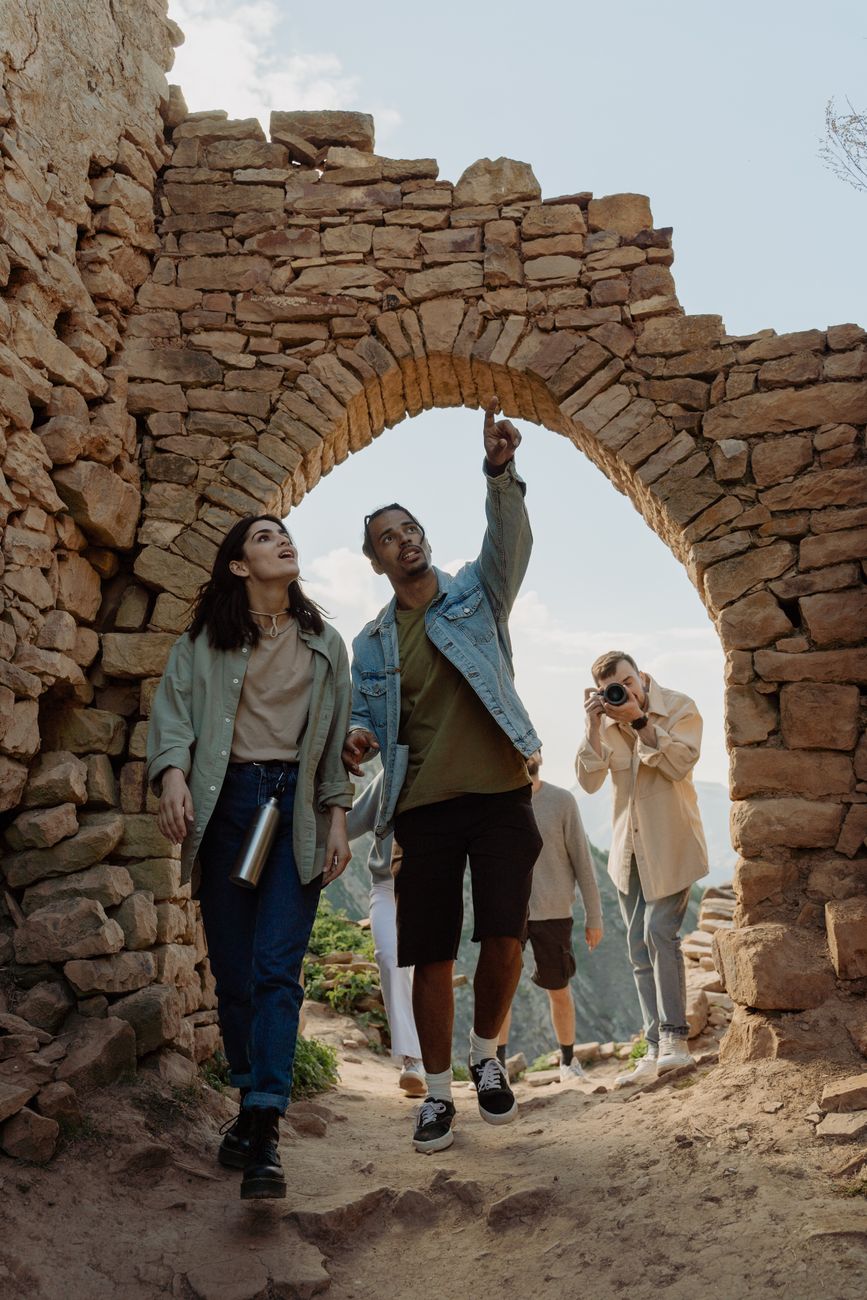
Travel is often described as an opportunity to escape everyday routines, explore unfamiliar places and create lasting memories. However, its value can extend far beyond visiting famous landmarks or enjoying a change of scenery. Experiencing different cultures, meeting people with different perspectives and stepping outside familiar surroundings can influence how we understand the world and our place within it.
But can travel genuinely change the way we see life? Research into human behaviour, cultural experiences and personal development suggests that it can, although the impact varies from person to person.
Seeing the World Beyond Our Own Experiences
Most people develop their understanding of the world through their upbringing, education, family, friendships and local communities. These experiences shape our beliefs, expectations and ideas about how life should be lived.
Travelling introduces us to different ways of approaching everyday life. From food and fashion to family relationships, traditions and social customs, other cultures can reveal that there is rarely just one way to live well.
For example, visiting a country where people place a strong emphasis on shared meals may encourage a traveller to reconsider the importance of sitting down with family and friends. Experiencing a different pace of life might also prompt someone to question whether constant productivity is as important as they once believed.
These observations do not automatically change our attitudes, but they can encourage us to examine assumptions that we previously accepted without question.
The Value of Cultural Understanding
One of travel’s most significant benefits is the opportunity to experience cultures beyond the descriptions found in books, television programmes or online content.
Reading about another country can provide valuable historical and cultural knowledge, but visiting it offers a different perspective. Walking through historic streets, visiting museums, exploring architectural landmarks and observing everyday life can help bring that knowledge into a more personal context.
Research in psychology has explored the relationship between intercultural experiences and openness to new ideas. Some studies suggest that meaningful engagement with other cultures can encourage curiosity, flexibility and a greater appreciation of different perspectives.
However, simply visiting another country does not guarantee greater cultural understanding. The experience is often more valuable when travellers approach unfamiliar customs with respect, ask questions and remain willing to learn rather than judge.
Stepping Outside the Comfort Zone
Travel frequently places people in situations that differ from their normal routines. Navigating an unfamiliar city, communicating across language barriers, using public transport in another country or adapting to unexpected changes can all require patience and problem-solving.
These experiences can help people develop confidence in their ability to manage uncertainty.
For some travellers, even a relatively small challenge can become a meaningful personal achievement. Successfully finding their way through an unfamiliar city or overcoming the nervousness of travelling alone may demonstrate that they are more capable and adaptable than they previously believed.
This confidence can sometimes carry over into everyday life, encouraging people to approach new opportunities, reconsider limitations and become more comfortable with change.
Nevertheless, personal growth does not require expensive international holidays or extreme adventures. Exploring somewhere unfamiliar closer to home can also offer opportunities to learn, adapt and develop independence.
Discovering History, Art and Architecture
Travel can also deepen our understanding of human history and creativity.
Standing inside a historic building, viewing an original work of art or walking through a city shaped by centuries of cultural change can make the past feel more immediate. Architecture, museums, monuments and archaeological sites provide physical evidence of how previous generations lived, worked, worshipped and expressed their ideas.
These experiences can encourage us to look beyond the present and recognise how societies develop over time.
A visit to a historic city, for instance, may reveal how different architectural styles reflect changing political systems, religious beliefs, economic conditions and artistic movements. Such discoveries can help us appreciate the connections between history and modern life.
For people with an interest in culture, travel can therefore become an extension of learning, turning information into experiences that are easier to remember and reflect upon.
Appreciating What We Already Have
Interestingly, travelling can sometimes make people appreciate home more deeply.
Being away from familiar surroundings may highlight the value of everyday comforts, established relationships and the routines that previously went unnoticed. Something as ordinary as a familiar meal, a conversation with a loved one or the comfort of one’s own home can feel different after spending time elsewhere.
Travel can also provide perspective on material possessions and lifestyle expectations. Observing people who organise their lives around different priorities may encourage travellers to reconsider what they personally value.
For some, this may mean placing greater importance on experiences rather than possessions. For others, it might inspire a renewed appreciation for family, community, stability or the opportunities available in their own country.
The outcome is not necessarily a desire to change everything. Sometimes, travel helps us understand why certain aspects of our lives matter to us in the first place.
Can Travel Change Our Priorities?
A change in perspective can sometimes lead to changes in priorities.
After travelling, a person might become more interested in learning languages, studying history, exploring different cuisines or spending more time with family. Another traveller may return with a stronger desire to experience new places or a clearer understanding of the lifestyle they want to pursue.
Travel can also encourage reflection on the way we spend our time. When everyday distractions are reduced and familiar responsibilities temporarily fall away, some people find it easier to consider their ambitions, relationships and personal goals.
However, travel should not be presented as a guaranteed solution to dissatisfaction or personal difficulties. A holiday cannot automatically resolve complex problems, and some journeys may be stressful, disappointing or challenging.
Its potential value lies in creating opportunities for reflection, discovery and new experiences rather than promising a complete personal transformation.
Travel Does Not Have to Be Expensive
There is a common perception that meaningful travel requires long-haul flights, luxury accommodation or visits to famous destinations. In reality, the opportunity to see life differently is not limited to people with substantial travel budgets.
A day trip to a nearby historic town, a visit to a museum, a walk through a neighbourhood with a different cultural history or a journey by train to an unfamiliar destination can all broaden our experiences.
The important factor is not necessarily how far we travel, but how we engage with the places we visit.
Taking time to understand local traditions, learn about a destination’s history, speak respectfully with local people and explore beyond the most familiar attractions can make even a short journey rewarding.
Approaching travel with curiosity rather than a checklist of attractions can also help create more meaningful experiences.
The Lasting Influence of Travel
The most memorable part of a journey is not always the photograph taken at a famous landmark or the souvenir brought home. Sometimes, it is a conversation, an unexpected discovery or a moment that challenges an assumption.
These experiences can remain with us long after the journey has ended. They may influence the books we read, the places we hope to visit, the people we seek to understand and the choices we make in everyday life.
The effects are not always immediate. A particular experience may only become significant when we reflect upon it later or encounter a situation that reminds us of what we learned.
Travel can also reinforce existing beliefs rather than change them. Two people visiting the same destination may return with entirely different impressions because their interests, expectations and personal circumstances differ.
Ultimately, the value of travel is individual. Its influence depends not only on where we go, but also on what we notice, how we respond and whether we remain open to learning.
Final Thoughts
Can travel really change the way we see life? Yes, it can, although it is neither automatic nor guaranteed.
By exposing us to different cultures, histories, traditions and ways of thinking, travel can challenge assumptions and encourage a broader understanding of the world. It can build confidence, inspire curiosity and help us reconsider what we value most.
Perhaps the greatest benefit of travelling is not simply discovering somewhere new, but returning home with a slightly different understanding of the life we already lead.
We may come back with new interests, different priorities or a greater appreciation for the people and places that matter to us. We may even discover that the world is more varied, complex and fascinating than we once imagined.
A journey does not have to change everything to be worthwhile. Sometimes, all it takes is a new perspective to change the way we see what comes next.









Leave a Reply