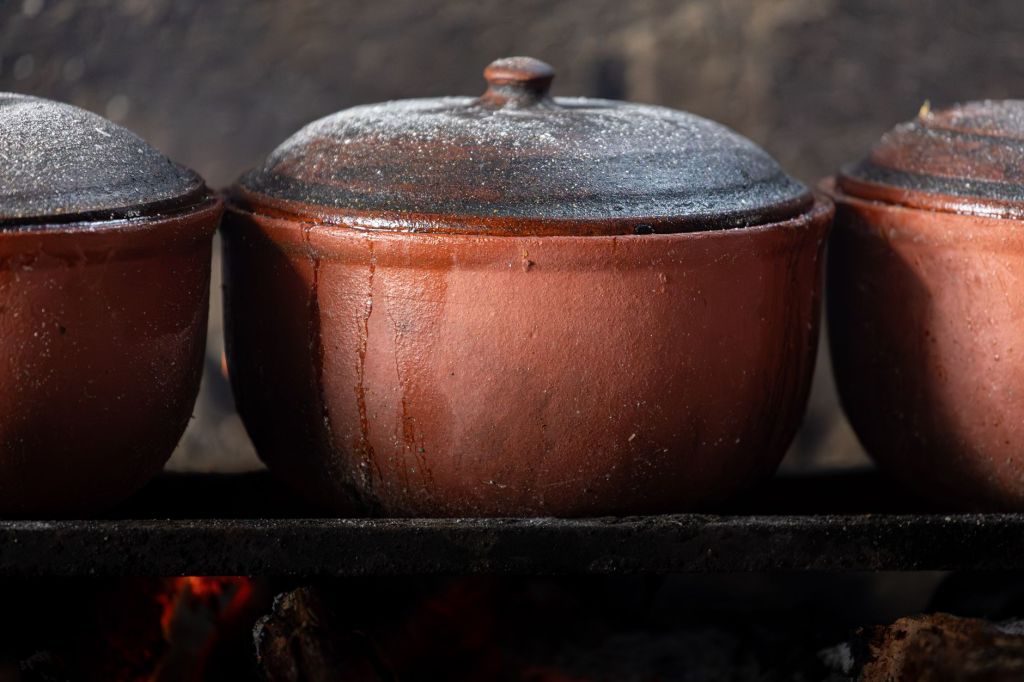
Rediscovering the Pleasure of Taking Time in the Kitchen
In a world where convenience often dictates how we eat, slow cooking is finding its place in modern kitchens once again. From traditional stews and casseroles to slow-cooked joints of meat, homemade soups and rich vegetable dishes, this method of preparing food offers a welcome alternative to the speed of modern life.
Slow cooking is not a new trend. For generations, people have relied on low temperatures and extended cooking times to turn simple ingredients into satisfying meals. Today, its appeal lies in a combination of practicality, affordability, traditional cooking methods and the growing appreciation of food prepared with care.
The Appeal of Traditional Cooking
One reason slow cooking remains attractive is its ability to develop flavour over time. Cooking ingredients gently for several hours allows flavours to blend, creating depth in dishes such as beef stew, chilli, lentil soup and vegetable casseroles.
Tougher cuts of meat can also become tender when cooked slowly in liquid, making them useful ingredients for economical family meals. Beans, pulses and seasonal vegetables can similarly form the basis of nutritious dishes without requiring expensive ingredients.
Slow cooking encourages people to look beyond convenience foods and rediscover the possibilities of everyday ingredients.
Convenience Without the Constant Attention
Although slow cooking takes time, it does not necessarily demand hours of active work. A slow cooker can allow ingredients to cook over several hours while the cook gets on with other responsibilities.
For busy households, this can make meal preparation easier. Ingredients can often be prepared in advance, placed in the cooker and left to cook according to the appliance’s instructions. The result is a meal that may be ready to serve at the end of the day, reducing the need to prepare everything from scratch in the evening.
However, slow cooking is not automatically suitable for every schedule. Some recipes require preparation, browning or additional ingredients partway through cooking, so choosing a recipe that fits the available time remains important.
A Practical Approach to Household Budgets
The renewed interest in slow cooking also reflects the appeal of making food go further. Many slow-cooked recipes use affordable ingredients, including root vegetables, beans, lentils and less expensive cuts of meat.
Preparing a larger quantity can provide several portions, allowing leftovers to be refrigerated or frozen for future meals. This can help households reduce food waste and rely less frequently on expensive last-minute takeaway meals.
The financial benefits depend on the ingredients chosen, portion sizes and energy costs. Nevertheless, planning meals around seasonal produce and ingredients already available at home can make slow cooking a useful part of a household food budget.
Comfort Food and Emotional Wellbeing
Food is about more than satisfying hunger. Familiar meals can be connected to family traditions, childhood memories and shared experiences around the dinner table.
The smell of a casserole simmering or a homemade soup warming on a cold afternoon can evoke a sense of familiarity and comfort. Preparing traditional recipes may also provide an opportunity to pass cooking skills between generations.
Slow cooking can encourage people to spend more time thinking about what they eat and how meals are prepared. For some, this process offers a welcome contrast to a lifestyle shaped by busy schedules and constant digital distractions.
It is important not to assume that cooking slowly automatically improves mental wellbeing, but the routine of preparing food and sharing a meal can be a meaningful part of everyday life.
Slow Cooking in the Modern Kitchen
Modern slow cookers have made this traditional approach more accessible, but slow cooking does not depend on a particular appliance. Oven-baked casseroles, braised dishes and recipes simmered gently on the hob all use similar principles: controlled heat and sufficient time to allow ingredients to cook.
The method also suits a wide range of diets. Meat-based dishes, vegetarian curries, bean stews and vegetable soups can all be prepared using slow-cooking techniques. Even some desserts, porridge and fruit-based dishes can be made in a slow cooker.
For households looking to simplify their cooking routines, its versatility is part of the attraction.
Energy Use and Everyday Practicality
Slow cookers generally use less electricity than a conventional oven because they operate at relatively low power for an extended period. However, the actual energy used depends on the appliance, cooking duration, recipe and alternative cooking method. It is therefore sensible to compare individual appliances and energy requirements rather than assume every slow-cooked meal will be cheaper.
Their compact size can also be useful in warmer weather, when using a countertop appliance may introduce less additional heat into the kitchen than running a full-sized oven.
The Importance of Cooking Safely
While slow cooking is practical, food safety remains essential. Raw meat and poultry should be thawed safely before being placed in a slow cooker, and ingredients should be kept refrigerated until preparation. The appliance should be started promptly after preparation, and its instructions should be followed carefully.
Once food has finished cooking, leftovers should be refrigerated promptly in suitable containers rather than left at room temperature for extended periods. These precautions help reduce the risk of foodborne illness. <Cite refs={[“turn507793search0″,”turn507793search10″,”turn507793search2”]}/>
A Return to Cooking with Purpose
The renewed appeal of slow cooking reflects something more enduring than a passing food trend. It brings together traditional recipes, practical meal planning and the satisfaction of preparing food at home.
For some households, it is a way to manage busy evenings. For others, it is an opportunity to make ingredients go further, revisit family favourites or enjoy the simple pleasure of a homemade meal.
Slow cooking does not mean that every meal must take hours to prepare, nor does it require people to abandon modern convenience. Instead, it offers another way to approach food: one that values preparation, patience and the transformation of ordinary ingredients into something satisfying.
In a culture accustomed to speed, there is something appealing about allowing a meal to take its time. Perhaps that is the real reason slow cooking continues to find its way back into modern kitchens. It reminds us that good food does not always need to be rushed.
For Vion Lifestyle Magazine — Food, Home & Everyday Living.









Leave a Reply