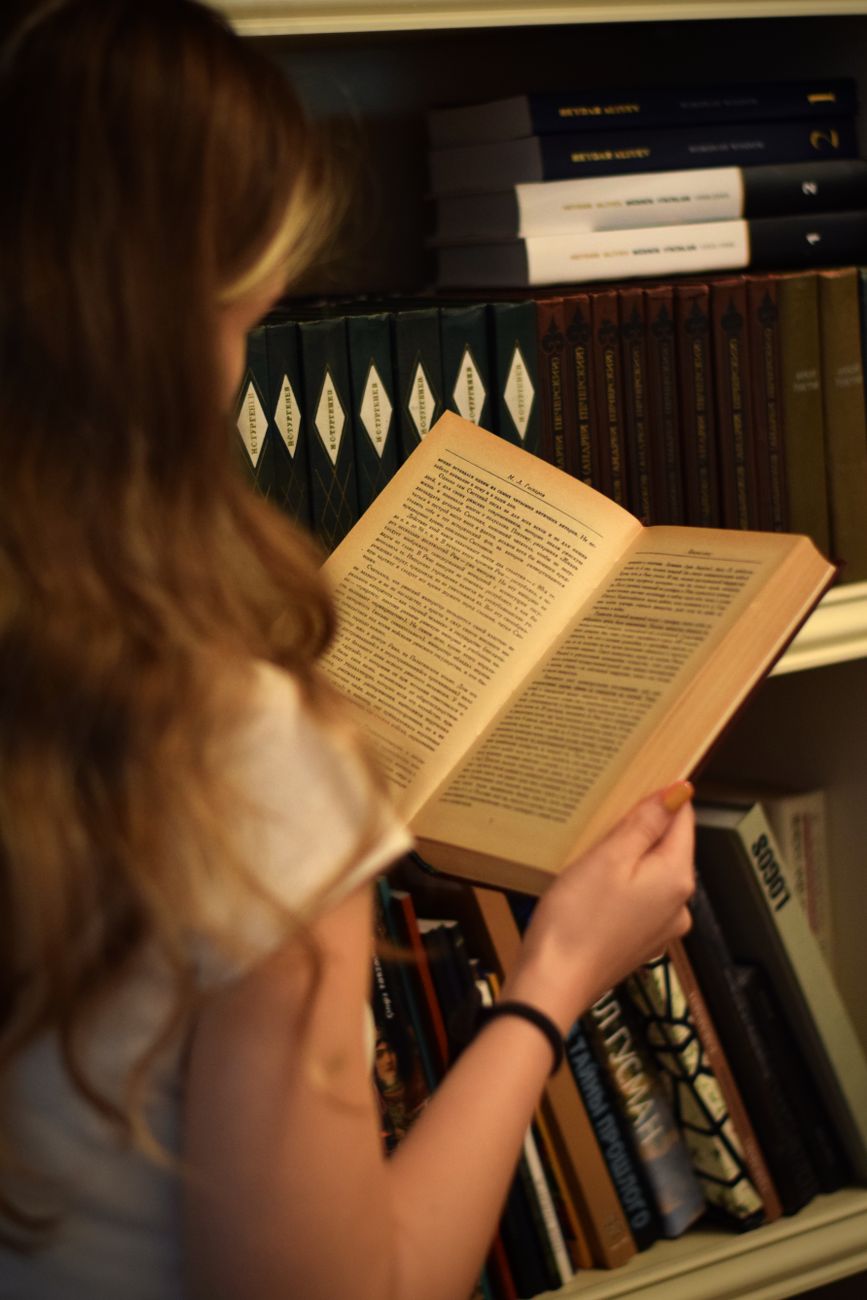
Books have always played an important role in the way people understand themselves, other people and the world around them. From novels and biographies to history books, travel writing and scientific literature, reading provides an opportunity to explore ideas, experiences and perspectives that may be very different from our own.
Although books cannot tell us everything about the world, they can influence how we interpret it, helping us develop a deeper understanding of human behaviour, culture, history and society.
Books Expand Our Understanding of Different Perspectives
One of the most valuable aspects of reading is the opportunity to experience life through someone else’s perspective. A novel may introduce readers to a character whose background, beliefs or circumstances differ considerably from their own. Through that character’s experiences, readers can begin to consider how personal history, social conditions and individual choices influence the way people think and behave.
Research in psychology has explored the relationship between reading fiction and social understanding. Some studies suggest that engaging with literary fiction can produce short-term improvements in certain measures of social cognition, although findings have varied and the effects are not guaranteed.
Reading does not automatically make someone more understanding or compassionate. However, stories can encourage readers to question their assumptions and consider viewpoints they might otherwise overlook.
History Helps Us Understand the Present
History books provide a record of events, decisions and social changes that have shaped modern society. By examining historical accounts, readers can explore how political systems developed, how conflicts began, how cultures changed and how previous generations responded to challenges.
Understanding history can also help people recognise that many issues facing society today have deeper roots. Economic inequality, political disagreements, technological change and cultural differences often have histories that cannot be fully understood by looking at the present alone.
Historical writing also reminds us of the importance of examining evidence. Different authors may interpret the same event in different ways, making it essential to consider the sources used, the context in which a book was written and the possibility of bias.
A well-informed reader does not simply accept every account as fact. Instead, they learn to ask questions and compare information before reaching conclusions.
Reading Encourages Critical Thinking
Books can challenge established beliefs and encourage readers to examine the information they encounter. Non-fiction works covering science, philosophy, politics, psychology and social issues often introduce arguments that require careful consideration.
This process can help readers distinguish between evidence, opinion and speculation. It can also encourage them to recognise when an argument is incomplete or when a conclusion does not necessarily follow from the information presented.
In a world where information is shared rapidly through social media, websites and digital platforms, critical thinking is particularly valuable. Reading carefully developed arguments can provide an opportunity to slow down, examine ideas and consider their wider implications.
However, books are not automatically reliable simply because they have been published. Authors can make mistakes, present misleading information or allow personal beliefs to influence their conclusions. Checking references and comparing credible sources remain important habits.
Books Connect Us With Different Cultures
Literature, travel writing and cultural histories can introduce readers to traditions, customs, languages and ways of life from around the world.
For someone who has never visited another country, a book may provide an introduction to its architecture, art, food, history and social values. Reading about unfamiliar cultures can stimulate curiosity and encourage people to look beyond stereotypes.
Books can also demonstrate that societies are rarely defined by a single characteristic. Within any country, people have different experiences, beliefs and ambitions. Reading a variety of authors can help reveal this diversity.
While books cannot replace direct experience of another culture, they can provide a useful starting point for understanding it and inspire readers to explore further.
Fiction Can Help Us Understand Human Behaviour
Fiction is often regarded as entertainment, but it can also explore complex questions about human nature.
Through characters and their decisions, novels can examine love, loyalty, ambition, jealousy, grief, morality and the consequences of personal choices. Readers may find themselves questioning whether a character’s actions are justified or considering how they might respond in similar circumstances.
These imagined situations allow people to explore difficult subjects without experiencing the consequences directly.
Different readers may also interpret the same story in different ways. One person might identify with a character’s determination, while another may focus on the harm caused by that character’s decisions. Such differences demonstrate how personal experiences and values can influence interpretation.
A book does not always need to provide a clear answer. Sometimes its greatest value lies in the questions it leaves behind.
Reading Can Challenge Personal Beliefs
Books can reinforce existing opinions, but they can also challenge them. Encountering unfamiliar arguments or learning about experiences outside our own can encourage us to reconsider what we believe and why we believe it.
This does not mean readers must agree with every idea they encounter. Rather, reading offers an opportunity to examine beliefs more carefully and decide whether they remain convincing when viewed from another perspective.
Intellectual growth often involves recognising that our understanding is incomplete. Being willing to reconsider an opinion in light of reliable evidence is an important part of learning.
The most useful reading experiences are not necessarily those that confirm everything we already think. Sometimes they are the ones that encourage us to look at familiar subjects differently.
Books Offer an Escape While Expanding Our Imagination
Reading can also provide a welcome break from the pressures of everyday life. A compelling story can transport readers to another period, country or imagined world, allowing them to temporarily step away from familiar surroundings.
This imaginative experience can be enjoyable in its own right, but it can also introduce new ideas and possibilities. Science fiction, fantasy and speculative literature, for example, often explore questions about technology, power, identity and the future through imagined situations.
Even when a story takes place in a fictional world, it may reflect real concerns about human relationships and society.
For many readers, this combination of escapism and reflection is part of what makes books so enduring. They offer somewhere to go in the imagination while providing something to think about when the story ends.
The Importance of Reading Widely
The range of books we choose to read can influence the breadth of our understanding. Reading only one type of material may limit the perspectives we encounter, whereas exploring different genres and subjects can introduce us to contrasting ideas.
A biography may reveal the experiences behind a person’s achievements. A scientific book may explain a phenomenon we previously misunderstood. A novel may encourage us to think differently about relationships, while a work of philosophy may raise questions about responsibility, happiness or the meaning of a good life.
There is no single reading list that suits everyone. Personal interests naturally influence what we choose, and enjoyment remains an important reason to read.
Nevertheless, occasionally stepping outside familiar genres can be rewarding. A reader who normally prefers fiction may discover an interest in history, while someone who enjoys factual writing may find unexpected value in poetry or literature.
The objective is not to read everything, but to remain curious about what different books can offer.
Conclusion: Every Book Offers a Different View
Books shape the way we see the world by introducing us to information, experiences and ideas beyond our immediate surroundings. They can deepen our understanding of history, encourage critical thinking, stimulate imagination and help us consider perspectives different from our own.
Their influence is not always immediate, nor is every book equally reliable or meaningful to every reader. Sometimes a book changes an opinion; sometimes it simply introduces a question that stays with us for years.
Perhaps the greatest value of reading is that it reminds us the world is larger and more complicated than any single person’s experience.
We all see life through the influence of our upbringing, circumstances, beliefs and experiences. Books offer an opportunity to look beyond those boundaries, even if only for a few hours.
Ultimately, reading is not simply about collecting knowledge or finishing another title. It is about remaining open to learning, questioning what we think we know and recognising that there is always another perspective worth considering.
A single book may not change the world, but it can change the way one person understands it. Sometimes, that is where meaningful change begins.









Leave a Reply