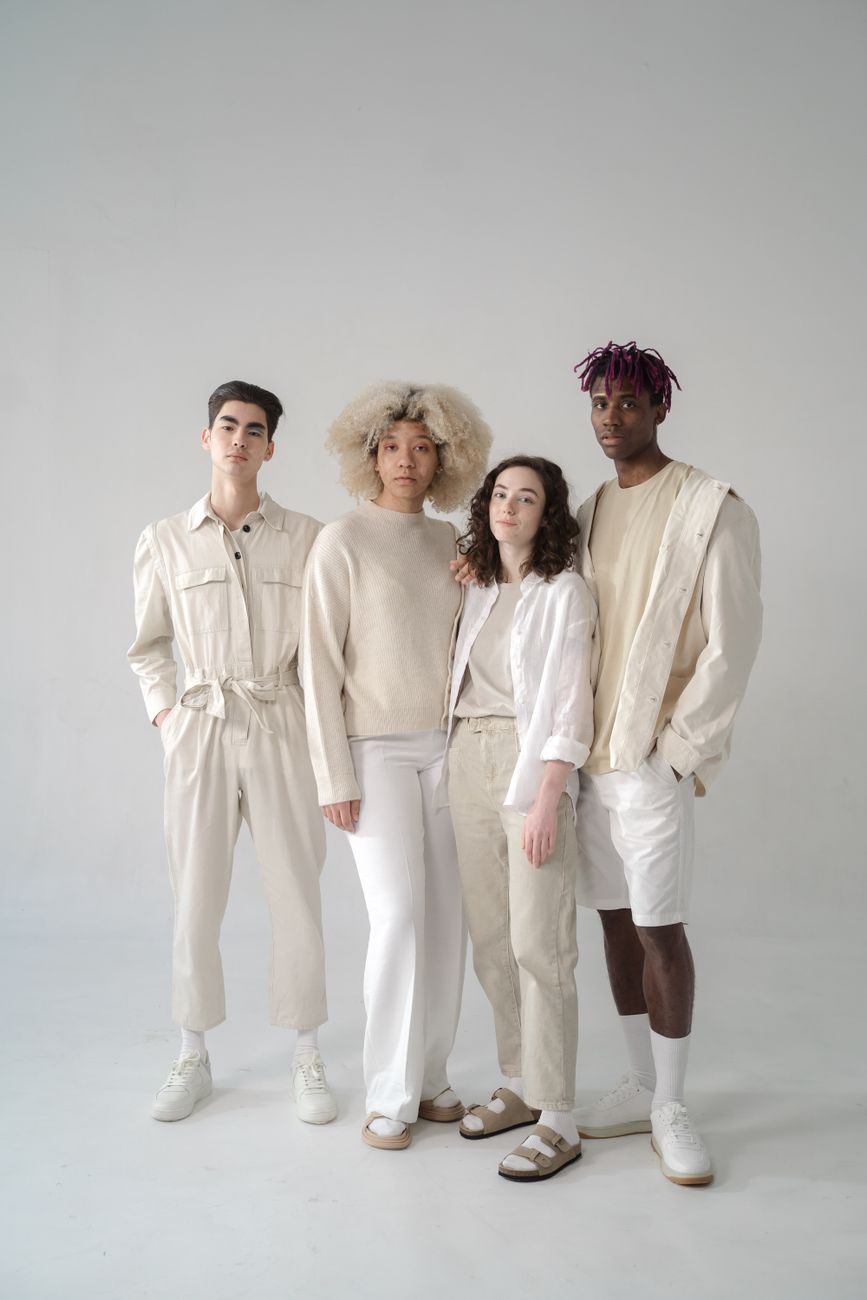
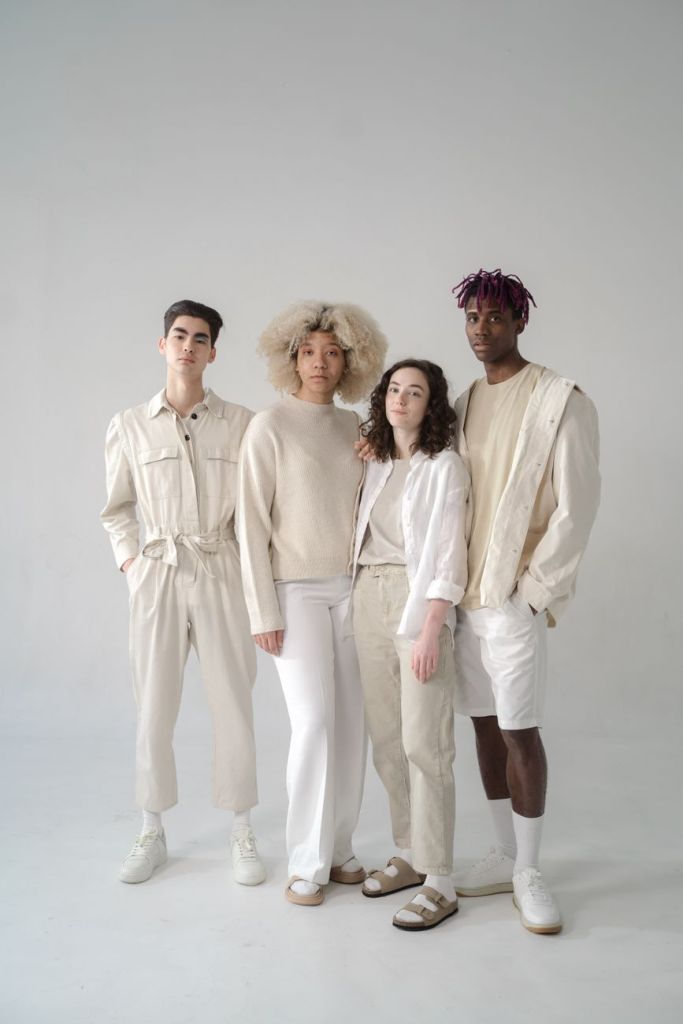
Fashion trends change constantly, with new colours, patterns and styles appearing every season. Yet, despite the industry’s enthusiasm for bold statements and seasonal experimentation, neutral colours continue to hold a prominent place in wardrobes around the world. Shades such as black, white, beige, cream, grey, navy and brown remain popular because they offer versatility, timeless appeal and a practical approach to everyday dressing.
But why do neutral colours continue to dominate fashion, even as trends come and go?
The Appeal of Timeless Style
One of the biggest reasons neutral colours remain fashionable is their ability to transcend seasonal trends. While certain colours may become particularly popular for a few months, neutral shades have a long history of being used in classic wardrobe staples, from tailored suits and trench coats to simple T-shirts and elegant dresses.
Black tailoring, white shirts, beige coats and navy trousers are examples of clothing that can remain relevant for years. Their appeal is not necessarily dependent on current trends, making them attractive choices for people who prefer to develop a lasting personal style rather than constantly replace their wardrobes.
This timeless quality also reflects a broader approach to fashion that prioritises longevity over short-lived trends.
Versatility Makes Getting Dressed Easier
Neutral colours are particularly useful because they are generally easy to combine. A cream jumper can be worn with black trousers, a beige coat can complement a navy suit, and a white shirt can work with almost any colour of jacket or trousers.
This flexibility allows people to create numerous outfits from a relatively small collection of clothing. Instead of purchasing individual pieces that only work with specific items, shoppers can build a wardrobe in which many garments complement one another.
For people with busy lifestyles, this simplicity can make everyday dressing quicker and less complicated.
The Influence of Minimalism
Minimalism has influenced many areas of modern life, including interior design, lifestyle choices and personal fashion. In clothing, a minimalist approach often focuses on clean lines, uncomplicated silhouettes, quality materials and a restrained colour palette.
Neutral shades naturally complement this aesthetic. They allow the shape, texture and construction of a garment to become more noticeable without relying on bright colours or elaborate patterns.
This does not mean minimalist fashion must be plain or uninteresting. A carefully tailored black blazer, a textured wool coat or a cream knitted jumper can create visual interest through its fabric, fit and detailing alone.
Neutral dressing can therefore offer a sophisticated appearance without requiring excessive decoration.
The Rise of the Capsule Wardrobe
The capsule wardrobe has become an influential concept for people seeking a more organised and practical approach to clothing. The idea involves selecting a relatively small collection of versatile garments that can be combined in different ways.
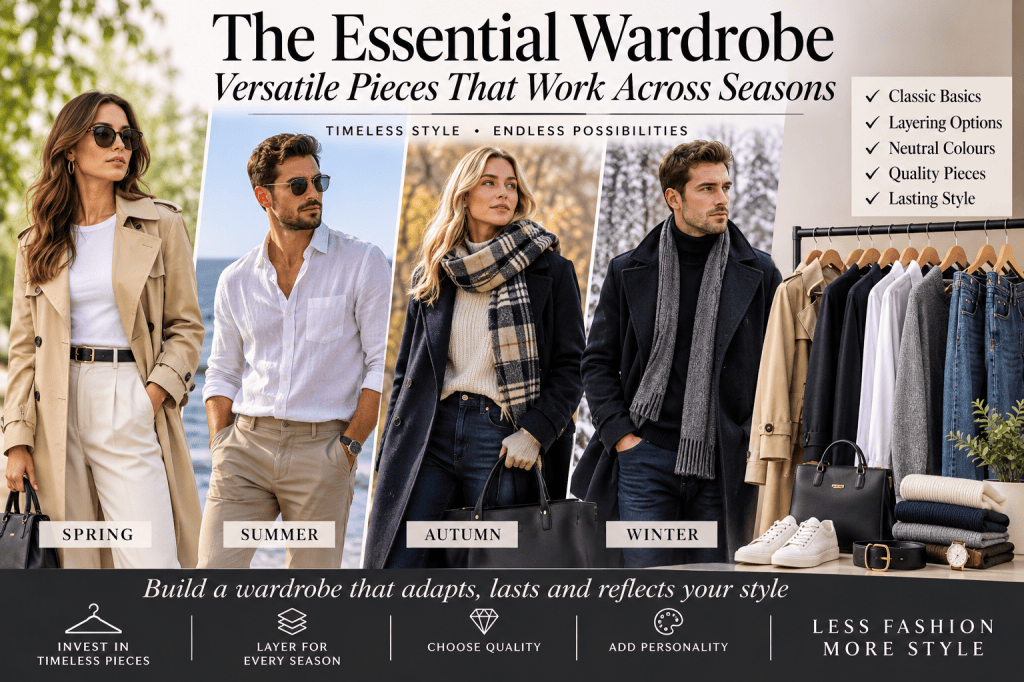
Neutral colours are particularly suitable for this approach because they provide a consistent foundation. A few well-chosen pieces can create outfits suitable for work, casual occasions, travel and more formal events.
For example, black trousers, a white shirt, a navy jacket, a cream jumper and a beige coat can form the basis of a wardrobe with numerous combinations.
Although capsule wardrobes are not suitable for everyone, the concept demonstrates why neutral colours remain attractive to people who value practicality and want to make more considered purchasing decisions.
Neutral Colours and Sustainable Fashion
Sustainability has become an important consideration in discussions about the future of fashion. The environmental impact of clothing production, textile waste and the frequent replacement of garments has encouraged greater attention towards buying less and wearing clothes for longer.
Neutral colours can support this approach when they encourage people to choose versatile garments that remain useful across different seasons.
However, colour alone does not determine whether a garment is sustainable. The materials used, manufacturing processes, durability, working conditions and frequency of wear are also important factors.
A brightly coloured garment can be just as durable and sustainable as a neutral one. The real benefit comes from choosing clothing that suits individual needs and is likely to be worn repeatedly rather than discarded because a trend has passed.
The Importance of Texture and Quality
One reason neutral outfits continue to appeal to fashion enthusiasts is the opportunity to experiment with texture. When an outfit uses a limited colour palette, differences in fabric and finish can become more noticeable.
A wool coat, a cotton shirt, leather shoes and a knitted jumper may all feature neutral colours, yet their contrasting textures create depth and interest.
Layering also becomes easier when the colours work harmoniously together. Different shades of beige, brown, cream and grey can be combined to create outfits that feel coordinated without appearing identical.
This approach places greater emphasis on the quality, fit and construction of clothing, rather than relying entirely on colour to make an impression.
Neutral Colours in Professional Fashion
Neutral colours have long been associated with professional clothing. Black, navy, grey and white are frequently used in business attire because they can create a polished and coordinated appearance.
A well-fitted suit, a crisp white shirt or a simple neutral dress can be adapted to different professional settings. These colours also make it easier to introduce accessories such as watches, belts, handbags, ties and shoes without creating visual conflict.
For those who appreciate traditional tailoring, neutral colours offer a connection between classic dress codes and contemporary fashion.
Nevertheless, professional fashion is becoming increasingly diverse, and colourful clothing can be equally appropriate depending on the workplace and individual preferences.
Do Neutral Colours Mean Fashion Is Becoming Boring?
Despite their popularity, neutral colours do not suggest that fashion has lost its creativity. Rather, they provide a foundation upon which people can express their individual tastes.
Some prefer an entirely monochromatic wardrobe, while others use neutral clothing as a backdrop for brighter accessories, statement jewellery, patterned scarves or colourful footwear.
Fashion is ultimately a form of personal expression. For one person, a simple black outfit may represent elegance and confidence. For another, a neutral base combined with a bold red coat or vibrant handbag may offer the perfect balance between restraint and individuality.
There is no single correct way to wear neutral colours, and their adaptability allows them to suit a wide range of personal styles.
The Enduring Appeal of Neutral Fashion
Neutral colours continue to occupy an important place in fashion because they offer a combination of versatility, practicality and timeless appeal. They can simplify wardrobe planning, complement different styles and provide a foundation for both traditional and contemporary outfits.
Their popularity also reflects a wider appreciation for clothing that can be worn repeatedly and adapted to different occasions. While seasonal colours and bold fashion statements will always have their place, neutral shades provide consistency in an industry that is constantly evolving.
Ultimately, the enduring appeal of neutral fashion is not about following a rule or avoiding colour. It is about recognising that style does not always need to be complicated.
Sometimes, the most effective wardrobe is built around a few carefully chosen pieces, colours that work together and clothing that makes the wearer feel comfortable and confident.
In a world of rapidly changing trends, neutral colours remind us that timeless style can be just as influential as the latest fashion statement.








Leave a Reply