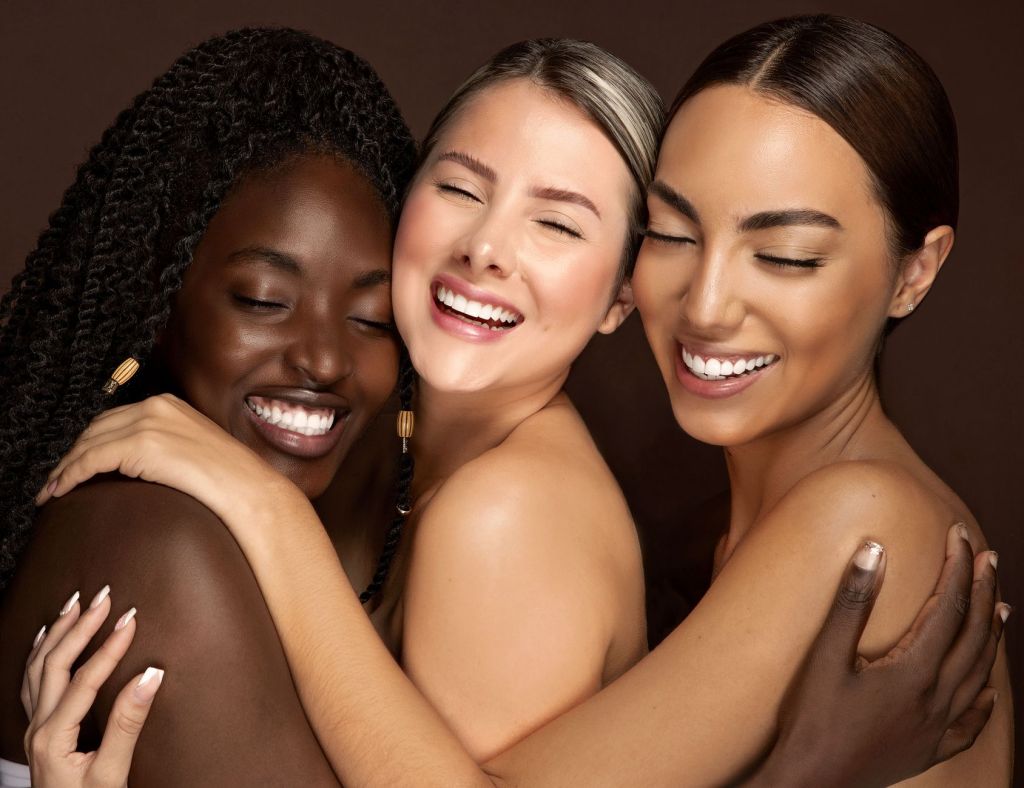
Beauty trends have always evolved, reflecting changes in culture, personal preferences and society’s understanding of self-expression. In recent years, natural-looking beauty has gained increasing attention, with many people embracing a more understated approach to makeup, skincare and personal grooming. Rather than focusing on dramatic transformations, this approach celebrates healthy-looking skin, subtle enhancements and the features that make every individual unique.
Natural-looking beauty is not about abandoning cosmetics or rejecting professional treatments. Instead, it is about creating a look that feels comfortable, authentic and suited to the individual.
A Shift Towards Subtle Beauty
For many years, highly sculpted makeup, dramatic contouring and full-coverage foundations have played a significant role in beauty culture. These techniques remain popular, but there is also growing interest in lighter makeup, softer finishes and routines that allow natural skin texture to remain visible.
Products such as tinted moisturisers, lightweight foundations, cream blushes and sheer lip colours offer ways to enhance the complexion without creating a heavily made-up appearance. The objective is often to achieve a fresh, balanced look rather than conceal every imperfection.
This shift also reflects the variety of beauty preferences available today. Some people enjoy elaborate makeup, while others prefer a minimal routine. Natural-looking beauty offers another option, allowing individuals to choose how they wish to present themselves without feeling restricted by a single definition of attractiveness.
Skincare Takes Centre Stage
One of the most noticeable aspects of the natural beauty movement is the emphasis on skincare. Instead of relying entirely on makeup to achieve a particular appearance, many people are paying greater attention to maintaining their skin’s health and comfort.
A straightforward skincare routine may include gentle cleansing, moisturising and daily sun protection. These basic habits can help support the skin barrier, reduce dryness and protect against some of the effects of ultraviolet radiation.
There is also greater public discussion about ingredients, skin sensitivity and choosing products appropriate for individual needs. Although expensive products and complicated routines are often promoted in the beauty industry, an effective skincare routine does not necessarily need to involve numerous steps.
It is equally important to recognise that everyone’s skin is different. Genetics, age, hormones, environment and lifestyle can all influence its appearance. Healthy skin does not have to be completely free of pores, fine lines, pigmentation or blemishes.
The Beauty of Looking Like Yourself
Perhaps the most appealing aspect of natural-looking beauty is its emphasis on individuality.
Human faces naturally vary in shape, texture, colour and expression. Freckles, smile lines, birthmarks and other distinctive features contribute to the individuality of a person’s appearance. Rather than treating every difference as something that must be corrected, a more natural approach can encourage people to appreciate the features that make them recognisable and unique.
This does not mean that people should feel obliged to avoid cosmetic products or treatments. Personal choice remains central to beauty, and there is nothing wrong with enjoying makeup or experimenting with different looks.
The important distinction is that beauty should be a form of personal expression rather than an endless attempt to meet unrealistic expectations.
Social Media and Changing Beauty Standards
Social media has had a complicated relationship with modern beauty standards. Highly edited photographs, filters and carefully staged images can create unrealistic impressions of how people look in everyday life.
At the same time, online beauty communities have provided opportunities for people to share simpler routines, discuss skin texture and present a wider variety of appearances. Tutorials demonstrating minimal makeup and everyday skincare have helped make understated beauty techniques accessible to a broad audience.
However, even the natural beauty aesthetic can become another trend with its own expectations. A supposedly effortless appearance may still involve carefully selected products, professional treatments, flattering lighting and considerable preparation.
Recognising this distinction is important. Natural-looking beauty should not become another standard that people feel pressured to achieve. Its value lies in giving individuals more freedom to decide what works for them.
A More Considered Approach to Beauty
The growing interest in natural-looking beauty also fits into a wider conversation about mindful consumption. Some consumers are choosing to simplify their routines, use products more consistently and think carefully before purchasing every new launch.
A smaller collection of suitable products can be easier to manage than an extensive collection of items used only occasionally. It may also help people make more considered purchasing decisions, particularly when beauty marketing encourages constant experimentation.
Nevertheless, minimalism is not a requirement. Some people enjoy collecting cosmetics, exploring new formulas and treating beauty as a hobby. Others find satisfaction in a few reliable essentials. Both approaches can be equally valid.
What matters is finding a routine that suits personal preferences, circumstances and budget.
Natural Beauty at Every Age
Another positive aspect of the natural beauty conversation is the opportunity to appreciate changing appearances throughout life.
Skin naturally changes with age. Fine lines, differences in elasticity and variations in pigmentation are normal parts of the ageing process. While some people choose products or treatments to address particular concerns, others prefer to embrace these changes without trying to conceal them.
There is no single correct way to approach ageing. A person can enjoy skincare, wear makeup, choose cosmetic treatments or leave their appearance entirely untouched. None of these choices determines their worth or character.
A more inclusive understanding of beauty recognises that attractiveness is not restricted to a particular age, complexion or facial structure.
Confidence Is the Real Foundation
Ultimately, natural-looking beauty is about more than a particular makeup technique or skincare trend. It represents an opportunity to reconsider the relationship between appearance, confidence and individuality.
For some, confidence comes from a carefully applied lipstick or a favourite fragrance. For others, it comes from a simple skincare routine, neatly groomed hair or the freedom to leave the house without makeup.
These choices may appear different, but they share an important principle: beauty is personal.
Looking after yourself can be an enjoyable and rewarding part of everyday life, provided it is guided by personal preference rather than pressure to look a certain way. Small rituals can offer moments of care and self-expression, helping people feel more comfortable in their own skin.
The Future of Natural-Looking Beauty
Natural-looking beauty is likely to remain an important part of the wider beauty conversation because it accommodates a broad range of preferences. It can involve lightweight makeup, thoughtful skincare, understated grooming or simply a greater appreciation of individual features.
Its greatest strength is its flexibility. There is no single product, technique or appearance that defines it, and it does not require anyone to give up the beauty routines they enjoy.
As beauty culture continues to evolve, the most valuable development may be the growing recognition that people do not need to look identical to be attractive.
Natural beauty is not about achieving perfection. It is about finding a look that feels authentic, embracing individuality and recognising that confidence often begins with feeling comfortable being yourself.









Leave a Reply