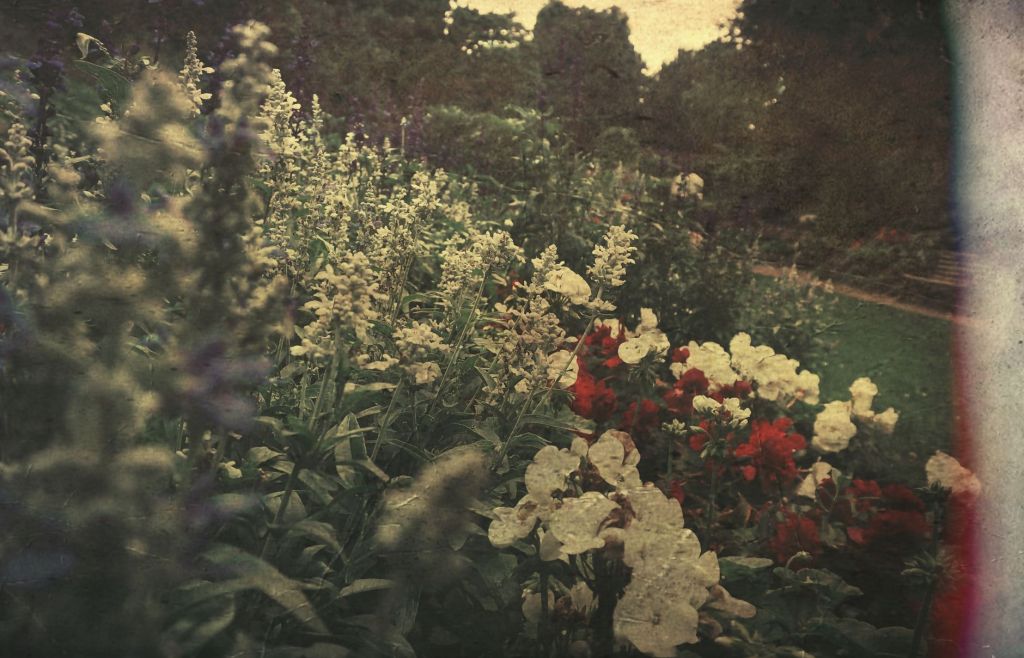
For decades, the traditional garden has often been associated with neatly trimmed lawns, carefully shaped borders and highly controlled planting schemes. Now, a different approach is gaining attention: the natural garden.
Natural gardening focuses on creating outdoor spaces that work with nature rather than attempting to control every aspect of it. Informal planting, native and wildlife-friendly species, wildflower areas, natural materials and less intensive lawn maintenance are increasingly being incorporated into gardens of all sizes.
The change reflects a wider interest in biodiversity, sustainability and creating outdoor spaces that require less intensive maintenance.
From Perfect Lawns to Living Landscapes
The traditional closely maintained lawn remains popular, but many gardeners are reconsidering how much of their outdoor space needs to be perfectly manicured.
Allowing some grass to grow longer can provide habitat and food sources for insects, while incorporating flowering plants can increase the availability of nectar and pollen. Some homeowners are also replacing sections of conventional lawn with wildflower areas, meadow-style planting or mixed borders.
The result is a garden that can appear less formal while supporting a wider range of plant and animal life.
Supporting Pollinators
One of the major attractions of natural gardening is its potential to support pollinating insects.
Bees, butterflies, hoverflies and other insects rely on flowering plants for food. A garden containing a mixture of plants that flower at different times of the year can provide valuable sources of nectar and pollen across a longer season.
Plants selected for wildlife can be incorporated into borders, containers, balconies and even small urban gardens, meaning natural gardening does not necessarily require a large outdoor space.
Native and Wildlife-Friendly Planting
Natural gardening does not necessarily mean abandoning cultivated plants. Instead, gardeners can combine ornamental varieties with species that are particularly useful to local wildlife.
Native plants can be especially valuable because they have evolved within local ecosystems and can provide food and shelter for insects, birds and other wildlife. However, gardens can also benefit from carefully selected non-native plants, particularly when they provide nectar, pollen, berries or seeds.
The emphasis is increasingly shifting from simply asking whether a plant looks attractive to considering what ecological value it can provide.
Less Maintenance, Not No Maintenance
The natural-garden movement is sometimes associated with the idea of simply allowing a garden to become overgrown. In reality, natural gardening still involves planning and maintenance.
A naturalistic garden may require pruning, cutting back, removing invasive plants, managing paths and deciding where vegetation should be allowed to grow. The difference is that maintenance is often designed around natural growth cycles rather than maintaining a uniformly manicured appearance.
For busy households, this approach can also provide an alternative to maintaining large areas of closely cut lawn and highly formal planting.
Natural Materials Are Also Returning
The movement extends beyond plants.
Wood, stone, gravel, bark, reclaimed materials and other natural-looking surfaces are increasingly being used to create paths, seating areas, boundaries and garden features.
Rather than creating gardens that appear completely separate from their surroundings, naturalistic designs often attempt to create a softer transition between the garden and the wider landscape.
Water features can also play a role. Ponds and other water habitats can provide resources for wildlife, although they need to be designed and maintained appropriately to remain healthy environments.
The Importance of Small Spaces
Natural gardening is not restricted to large country gardens.
Urban gardeners can introduce wildlife-friendly planting through window boxes, containers, balconies, small borders and compact gardens. Even relatively small areas can provide flowers for pollinators or shelter for insects.
This makes natural gardening particularly relevant as more people look for ways to incorporate biodiversity into urban environments.
A Changing Idea of What a Garden Should Look Like
Perhaps the most significant change is cultural rather than horticultural.
For generations, a well-maintained garden was often associated with order, cleanliness and control. The natural-garden approach challenges the idea that every part of an outdoor space needs to look uniform.
A few fallen leaves, longer grass, seed heads and naturally spreading plants can become part of the appearance rather than something that must immediately be removed.
This does not mean traditional gardening is disappearing. Instead, gardeners are increasingly combining formal and informal approaches, creating spaces that can be both attractive and useful to wildlife.
Gardening With Nature
The return of the natural garden reflects a broader change in attitudes towards outdoor spaces. Gardens are increasingly being viewed not simply as extensions of the home, but as small ecosystems capable of supporting plants, insects, birds and other wildlife.
For homeowners, the appeal can be practical as well as environmental. Naturalistic planting can create visually interesting spaces, reduce the emphasis on intensive maintenance and introduce greater seasonal variety.
The modern natural garden is therefore not necessarily about letting everything grow unchecked. It is about making deliberate choices that allow nature to become part of the design.
As gardeners continue to rethink how outdoor spaces should look and function, the perfectly controlled garden is no longer the only definition of a beautiful one. Increasingly, an imperfect, living and changing landscape is becoming part of the appeal.









Leave a Reply