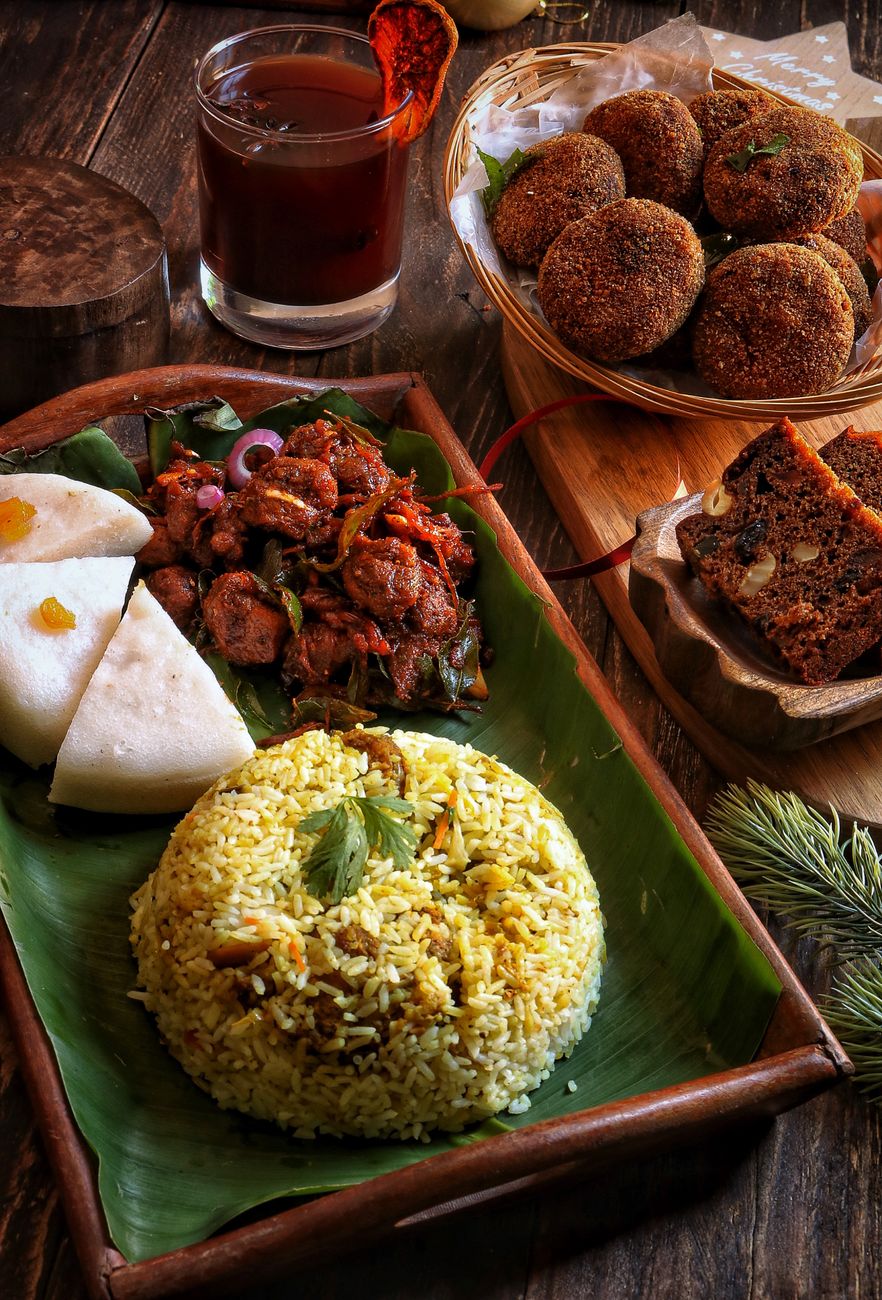
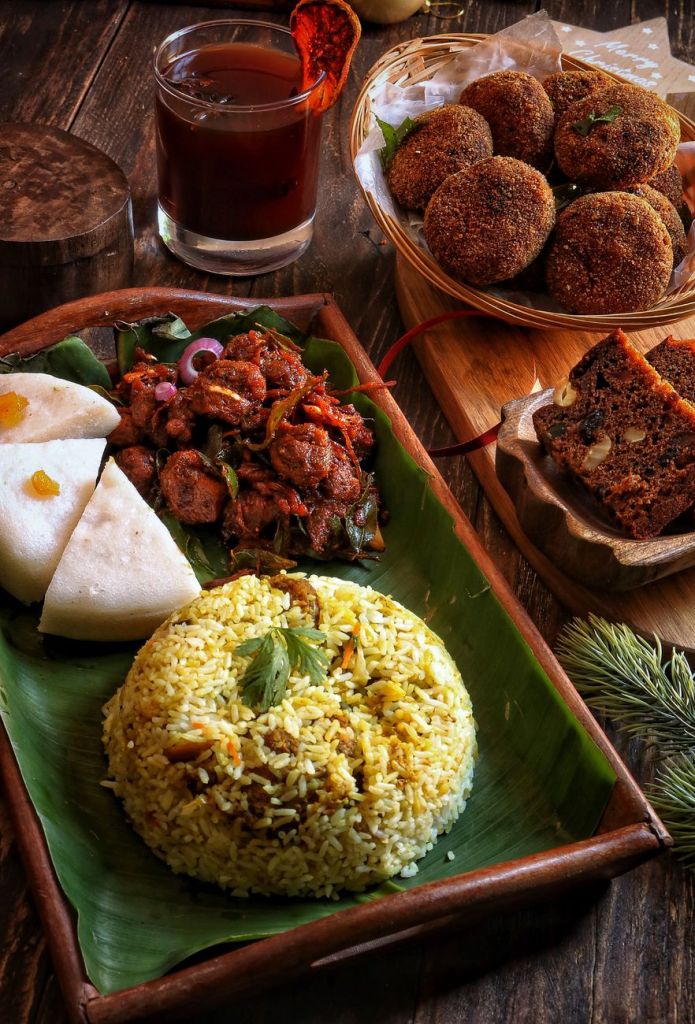
From Italian pasta and Indian curries to Japanese ramen and Mexican tacos, international cuisine is increasingly finding a place in home kitchens around the world.
Cooking at home has long been associated with familiar family recipes and traditional local dishes. However, changing food habits, greater cultural exchange and the growing availability of international ingredients are helping to make global cuisine a more regular part of everyday home cooking.
Today, home cooks can access recipes from almost every part of the world through cookbooks, television programmes, websites, social media and video platforms. This has made it easier for people to learn cooking techniques and discover dishes that may previously have been unfamiliar.
A More Connected Food Culture
International home cooking reflects the increasingly connected nature of modern society. Migration, international travel and multicultural communities have all contributed to the exchange of food traditions.
Restaurants have also played a role. Dishes that were once considered unfamiliar in some countries have become widely recognised through restaurants, takeaway services and supermarkets. Once people become familiar with a particular cuisine, they may choose to recreate elements of it at home.
The result is a food culture in which traditional recipes can cross borders and become adapted to local tastes and available ingredients.
Social Media Has Changed How People Discover Food
Digital platforms have significantly increased exposure to international cooking. Short recipe videos, cooking demonstrations and food creators allow people to see how dishes are prepared rather than simply reading a written recipe.
Visual content can also make unfamiliar ingredients and techniques appear more approachable. A person interested in Thai, Korean, Moroccan, Greek or Caribbean cooking can quickly find demonstrations covering everything from basic recipes to more advanced techniques.
This has helped turn international cooking into both a practical skill and a form of entertainment.
Supermarkets Are Making Ingredients More Accessible
The availability of international ingredients has also contributed to the trend. Many supermarkets now stock dedicated sections featuring products from different countries and regions, while specialist food shops and online retailers provide access to a wider selection.
Ingredients such as soy sauce, miso, tahini, curry pastes, tortillas, noodles, spices and specialist rice varieties are now familiar to many consumers who may not traditionally have used them.
Greater availability does not necessarily mean that people are preparing completely authentic versions of international dishes. Instead, home cooks often adapt recipes according to their preferences, dietary requirements, budgets and the ingredients available locally.
Cooking as a Form of Cultural Discovery
For some people, preparing international food is also a way of learning about other cultures.
Food can provide an accessible introduction to different traditions, ingredients and cooking methods. Preparing a dish associated with a particular country can encourage people to explore its history and culinary traditions more closely.
However, cultural awareness remains important. International recipes can have deep historical and cultural significance, and simplified versions found online do not always represent the full tradition behind a dish.
The Rise of Global Fusion Cooking
International influences are also contributing to the popularity of fusion cooking. Home cooks increasingly combine ingredients and techniques from different culinary traditions to create their own dishes.
Examples can include combining Asian-inspired flavours with Western cooking methods, incorporating Middle Eastern spices into familiar recipes or using Mexican ingredients in traditionally European dishes.
Fusion cooking is not necessarily about replacing traditional cuisine. It can instead demonstrate how food evolves as different cultures interact.
Health, Cost and Convenience
Practical considerations are another factor behind the popularity of international home cooking.
Many international cuisines feature vegetables, grains, legumes, herbs, spices and other ingredients that can form part of a balanced diet. At the same time, home cooking can allow people greater control over ingredients such as salt, sugar, fats and portion sizes.
Cost can also influence cooking choices. Preparing dishes at home may provide an alternative to regularly eating at restaurants or ordering takeaway food, although the financial benefit depends on ingredient prices, portion sizes and individual shopping habits.
Preserving Traditional Recipes
The growing interest in international cooking can also help preserve food traditions.
Family recipes are frequently passed between generations, while chefs, food writers and home cooks document regional dishes that might otherwise receive less attention. Digital platforms have created new opportunities for people to share recipes and cooking knowledge with audiences around the world.
At the same time, there is an ongoing distinction between learning from a cuisine and presenting an adapted recipe as an authentic representation of it. Understanding the origins of dishes and acknowledging their cultural context can provide a more informed approach to international cooking.
A Global Kitchen at Home
The popularity of international home cooking reflects wider changes in how people discover, prepare and experience food. Travel, migration, multicultural communities, digital media and greater access to ingredients have all helped bring culinary traditions from around the world into ordinary kitchens.
For many home cooks, experimenting with international dishes offers more than a change to the weekly menu. It can provide an opportunity to develop new cooking skills, discover unfamiliar flavours and learn about cultures through one of the most universal aspects of everyday life: food.
As access to recipes, ingredients and cooking knowledge continues to expand, the modern kitchen is becoming increasingly global, with traditional local dishes and international influences existing side by side.









Leave a Reply