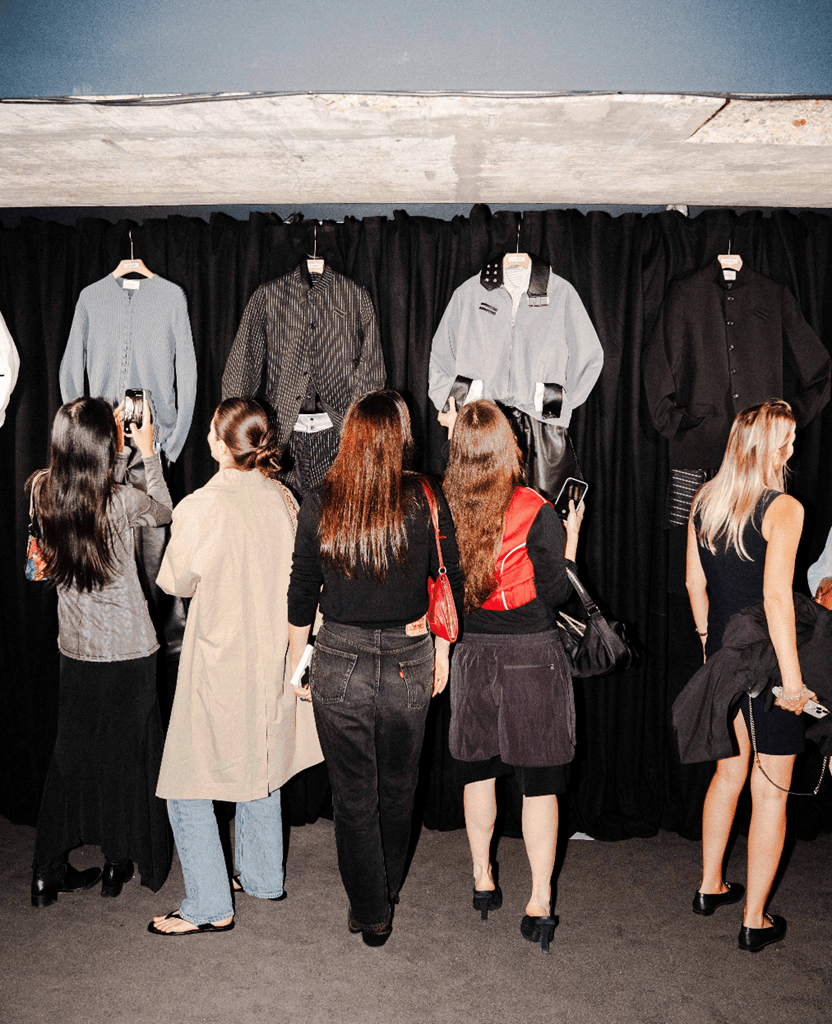
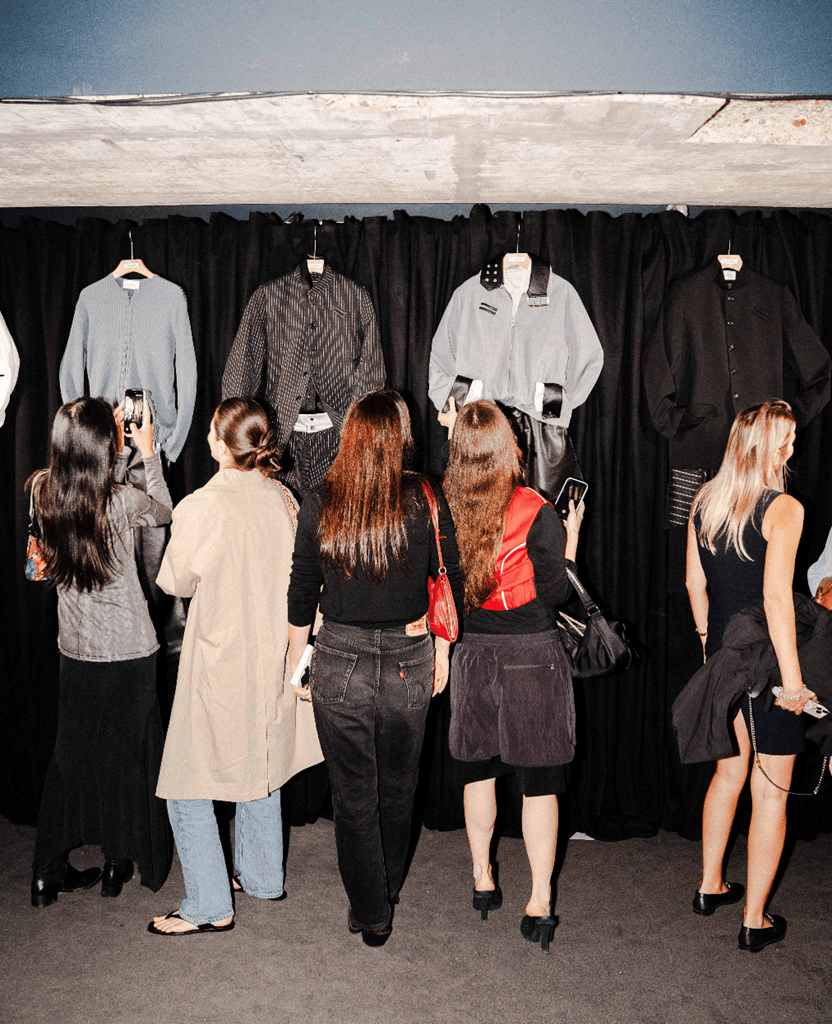
London Fashion Week has closed its September 2026 edition with increased international buyer attendance, major British fashion returns and a strong showcase of emerging creative talent.
Running across five days, London Fashion Week featured 47 catwalk shows, 23 presentations, 10 digital activations and 53 evening events, bringing together established British fashion houses, international retailers, emerging designers, media and consumers.
According to the British Fashion Council, accredited buyer attendance increased by 19% year-on-year, while accredited international buyer attendance rose by 41%. The figures highlight the continued commercial importance of London Fashion Week as a meeting point between British creativity and the international fashion industry.
Major British Names Return to London
One of the most significant moments of the season was the return of MCQUEEN to the official London Fashion Week schedule for the first time since 2001.
Under creative director Seán McGirr, the house returned to the city that has played such an important role in its history and identity.
Another major moment came from MULBERRY, with Christopher Kane presenting his first collection for the British fashion house. The collaboration brought together two established names in British fashion and marked Kane’s return to the London Fashion Week schedule.
BURBERRY also continued to highlight British fashion heritage through Daniel Lee’s latest collection, combining the house’s established British codes with a distinctly London perspective.
Meanwhile, Marks & Spencer made its London Fashion Week debut with its first dedicated catwalk show, using a see-now-buy-now approach that connected the runway directly with consumers.
A New Generation Takes the Spotlight
Alongside the established names, September’s event provided an important platform for emerging designers.
BFC NEWGEN newcomers Francesca Lake, Gui Rosa and Petra Fagerström joined returning designers, while Fashion East returned to the official London Fashion Week schedule.
Their inclusion reflects one of London’s longstanding strengths: providing opportunities for new designers to develop their identities and reach international audiences.
The British Fashion Council also highlighted the importance of emerging talent in strengthening London’s position within the global fashion industry, with the city’s established houses appearing alongside designers at earlier stages of their careers.
Connecting Fashion With Global Buyers
International commercial interest was another defining feature of the September edition.
Major international retailers and buying platforms attended London Fashion Week, providing emerging British brands with opportunities to establish relationships beyond the UK.
Representatives from Bloomingdale’s and Chalhoub Group were among those attending, with buyers highlighting the creativity, originality and commercial potential they encountered during the week.
The increase in international buyer attendance is particularly significant for independent designers, for whom access to international retailers can provide an important route towards expanding into new markets.
Fashion From Catwalk to Consumer
London Fashion Week also continued to explore the relationship between fashion, retail and consumers.
Marks & Spencer’s debut, H&M’s participation and eBay’s continued focus on circular fashion and resale demonstrated the increasingly varied ways in which audiences can engage with fashion.
This wider approach reflects how fashion weeks have developed beyond traditional industry-only events, incorporating retail, digital platforms, cultural experiences and direct consumer engagement.
Taking Fashion Beyond London
The impact of September’s fashion programme also extended beyond the capital through Fashion Britain, a new national initiative from the British Fashion Council.
More than 1,000 events across the UK formed part of Fashion Britain, broadening participation and helping connect the fashion industry with communities across the country.
The British Fashion Council also reported that 89% of London adults were aware of London Fashion Week, while more than 80% of 18–24-year-olds had engaged with it. Early research commissioned by the BFC also recorded 71% engagement among Londoners from Global Majority backgrounds.
A Strong Showcase for British Fashion
The September 2026 edition demonstrated the breadth of London’s fashion landscape, bringing together internationally recognised houses, major retailers and a new generation of designers.
With international buyer attendance rising, established British names returning to the schedule and emerging designers gaining valuable exposure, London Fashion Week once again provided a platform where creativity, culture and commerce could meet.
The combination of heritage and new talent remains one of London’s defining characteristics within global fashion. September 2026 offered another reminder that British fashion continues to have a distinctive voice, while London remains an important stage for the designers shaping what comes next.
Source: British Fashion Council, London Fashion Week September 2026.








Leave a Reply