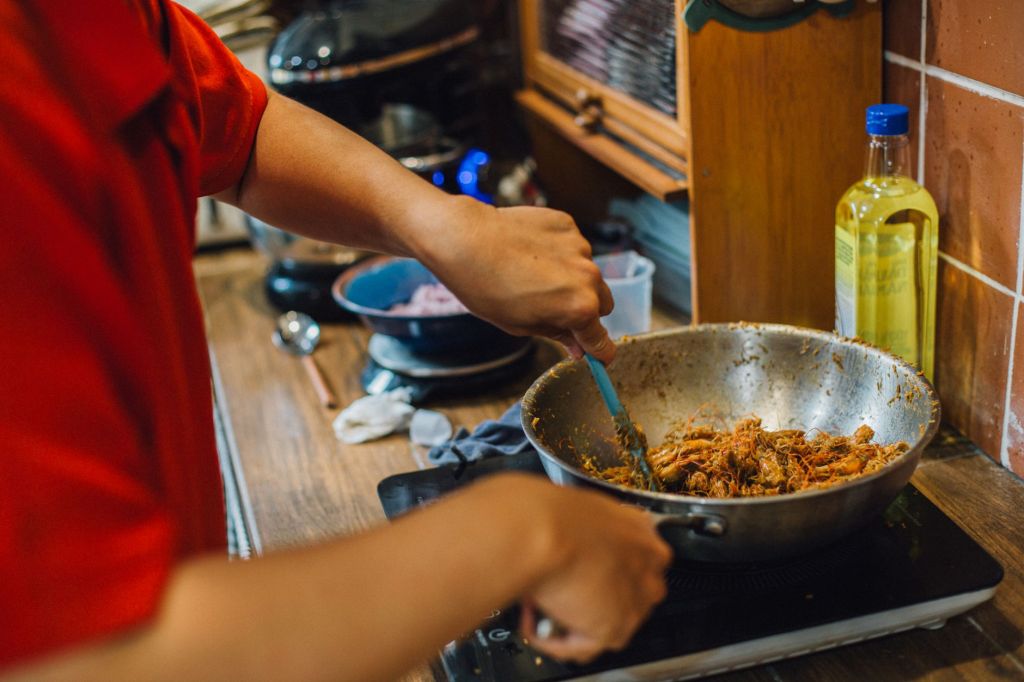
For many people, cooking at home is no longer simply a practical way to prepare dinner. It is increasingly becoming part of a broader lifestyle built around wellbeing, creativity, financial awareness, sustainability and spending meaningful time away from screens.
The renewed interest in homemade food reflects a wider cultural shift towards activities that feel more intentional and personal. Rather than viewing cooking purely as a daily chore, people are increasingly treating the kitchen as a place to experiment, relax, learn new skills and express individual tastes.
Cooking as a Lifestyle
Social media has played an important role in transforming home cooking into a highly visible part of modern lifestyle culture. Platforms such as Instagram, TikTok and YouTube have made recipes, cooking techniques and kitchen ideas accessible to millions of people.
From homemade pasta and sourdough bread to international dishes and simple one-pan meals, home cooks can now share their creations with audiences around the world.
This has helped create a culture in which the food people prepare can become an extension of their personality. Someone may identify as a weekend baker, an enthusiastic home chef, a vegetarian cook, a budget-conscious meal planner or simply someone who enjoys preparing traditional family recipes.
The Appeal of Homemade Food
One of the biggest attractions of cooking at home is control.
Preparing a meal personally allows people to decide which ingredients to use, how much salt or sugar to add, how food is prepared and how large the portions are. For people with specific dietary requirements or preferences, home cooking can also make it easier to understand exactly what goes into a meal.
There is also a creative element. Cooking provides an opportunity to experiment with flavours, techniques and ingredients without the pressure of producing a restaurant-quality dish.
A simple recipe can become a personal creation through different herbs, spices, vegetables, sauces or cooking methods.
Cooking and the Cost of Living
Financial considerations have also contributed to renewed interest in home cooking.
Restaurant meals, takeaways and food delivery can be convenient, but preparing meals at home can allow households to plan purchases, make use of ingredients across several meals and reduce reliance on expensive convenience options.
Meal planning can be particularly useful for reducing food waste. Leftover vegetables can become soup, cooked meat can be incorporated into another meal and ingredients purchased for one recipe can often be used in several dishes.
The result is a style of cooking that is not necessarily about creating elaborate meals. For many households, it is about making everyday food more efficiently.
The Kitchen as a Social Space
Cooking can also bring people together.
Families may prepare meals collectively, couples can cook together and friends can turn dinner preparation into part of an evening rather than simply ordering food.
For some households, traditional recipes also provide a connection between generations. Recipes passed down by parents or grandparents can preserve memories, cultural traditions and family history.
In this sense, cooking becomes more than food preparation. It can become a way of maintaining relationships and creating new memories.
The Rise of the “Slow Food” Mindset
The renewed interest in home cooking also fits into a wider appreciation of slower, more deliberate lifestyles.
Cooking requires people to spend time selecting ingredients, preparing them and waiting for food to cook. In an increasingly fast-paced environment, that process can provide a welcome change from instant meals and on-demand services.
This does not mean people are abandoning convenience. Instead, many are finding a balance between quick meals during busy periods and more involved cooking when they have the time.
The appeal is often less about perfection and more about being present in the process.
Sustainability and Food Awareness
Home cooking can also encourage greater awareness of where food comes from.
People who cook regularly may become more interested in seasonal produce, local ingredients, reducing packaging and using food efficiently. Growing herbs or vegetables at home can take this interest another step further.
Cooking from basic ingredients can also reduce dependence on highly packaged convenience foods, although the environmental impact of home cooking varies depending on ingredients, energy use, food waste and shopping habits.
A New Form of Self-Expression
Perhaps the most interesting development is the way food has become connected to personal identity.
The kitchen can now be a place where people express their interests and values. A person might explore international cuisine, recreate restaurant dishes, learn traditional baking, follow a plant-based diet or develop a particular interest in coffee, bread, fermentation or barbecue.
Cookbooks, kitchen equipment and carefully selected ingredients have consequently become part of lifestyle culture rather than simply household necessities.
The modern home cook does not necessarily aspire to become a professional chef. Instead, cooking can simply become another skill through which someone expresses curiosity and creativity.
The Future of Kitchen Culture
The popularity of home cooking is unlikely to mean that restaurants, takeaways or food delivery will disappear. Convenience remains an important part of modern life.
Instead, kitchen culture appears to be developing alongside these services.
People can order food when they are busy, eat out for special occasions and still enjoy preparing meals at home when they want a more personal experience.
The modern kitchen is therefore becoming more than a place where meals are produced. It can be a workspace, a creative studio, a social environment and a connection to family traditions.
As people continue to look for ways to make everyday life more meaningful, homemade cooking offers something remarkably simple: the opportunity to slow down, create something from scratch and enjoy the results.
In an increasingly digital world, that hands-on experience may be precisely what makes kitchen culture so appealing.









Leave a Reply