You do not always need a week away to feel as though you have escaped everyday life. A growing approach to travel is based on making the most of a much shorter window: leaving home, spending a full day and perhaps one night somewhere different, and returning the following day.
This concept is often described as micro-travel — short journeys designed to provide a change of scenery, new experiences and a genuine mental break without requiring a lengthy holiday.
For people with limited annual leave, family commitments or tighter budgets, a carefully planned 24-hour escape can provide many of the psychological and experiential benefits associated with a traditional break.
The key is choosing somewhere that feels sufficiently different from home while remaining practical to reach.
What Makes a Good Micro-Trip?
A successful 24-hour escape generally has three ingredients: relatively easy transport, enough attractions to fill a day and an atmosphere that feels different from everyday life.
The journey itself also matters. Travelling by train can turn the trip into part of the experience rather than simply being a means of getting somewhere.
Booking transport in advance can reduce costs, while railcards can provide significant savings for eligible travellers. National Rail says Railcards can save up to one-third on many rail fares.
Accommodation does not necessarily need to be expensive either. A basic hotel, guesthouse or hostel can provide somewhere to sleep without turning a one-night trip into the cost of a traditional holiday.
1. Bath — History, Architecture and Thermal Water
Bath is particularly well suited to a 24-hour escape because many of its major attractions are concentrated within the city centre.
A typical itinerary could begin with breakfast before exploring the Roman Baths, followed by Bath Abbey, the Royal Crescent and the city’s Georgian streets. The evening could then be spent at a restaurant or pub before staying overnight.
The Roman Baths provide an obvious centrepiece. The historic site dates back to around AD 70 and includes the Great Bath, Sacred Spring, museum collections and Roman archaeological remains.
Current adult admission prices vary according to the date and booking conditions, with Visit Bath currently listing tickets from around £20, while other 2026 pricing can be higher during particular periods.
For those wanting the thermal-water experience itself, it is important to distinguish the Roman Baths from Thermae Bath Spa. Visitors cannot bathe in the Roman Baths because the historic water is untreated; thermal bathing is available at the separate modern spa.
Indicative 24-hour budget:
- Return transport: approximately £30–£80 depending on starting point and booking time
- Accommodation: approximately £60–£120
- Attractions: £0–£50+
- Food and drinks: approximately £30–£60
- Estimated total: £120–£310 per person
Bath works particularly well for travellers who want a mixture of history, architecture, food and relaxation without having to travel abroad.
2. York — A Historic City Break in Miniature
York can deliver the atmosphere of a traditional city holiday within a single overnight stay.
The compact centre allows visitors to walk between many major attractions, including York Minster, the medieval city walls, The Shambles and the River Ouse.
York Minster is one of the city’s principal attractions. Its current adult sightseeing admission is £20, while admission including the Central Tower is £26. Children aged 17 and under can enter free with a paying adult, subject to the stated conditions.
A 24-hour York trip could begin with an afternoon arrival, followed by a walk around the historic centre and dinner. The following morning could be devoted to York Minster and the surrounding streets before travelling home.
Indicative 24-hour budget:
- Return transport: approximately £25–£80+
- Accommodation: approximately £60–£120
- York Minster: £20–£26
- Food and drinks: approximately £30–£60
- Estimated total: £135–£286+ per person
York is particularly suitable for people who want a strong sense of history without needing a packed itinerary.
3. Edinburgh — A One-Night Scottish Escape
For travellers living in northern England, Edinburgh can turn a single night away into something that feels much longer.
The city’s combination of medieval streets, Georgian architecture, museums, restaurants and dramatic views makes it possible to experience a great deal within a relatively short visit.
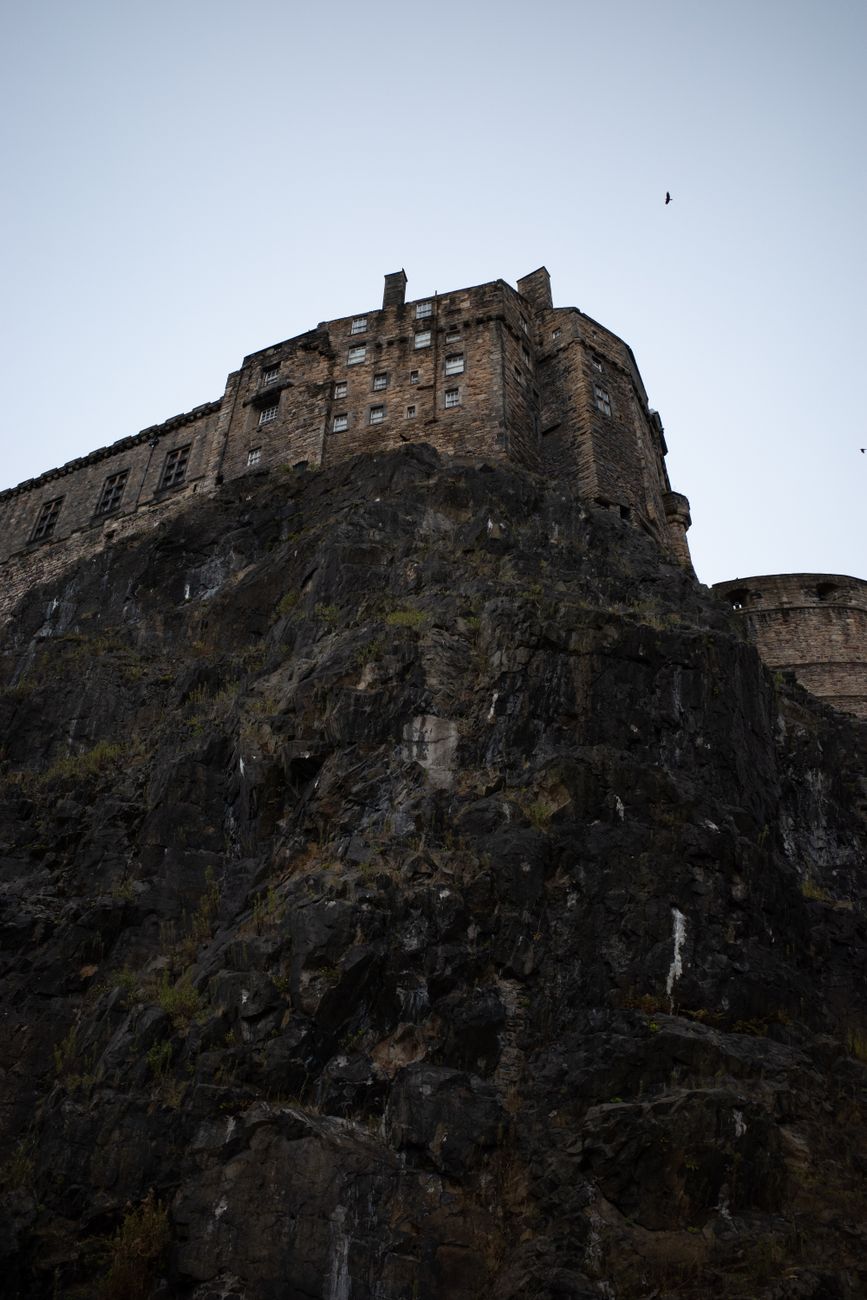
A practical micro-trip could involve arriving during the afternoon, exploring the Old Town and Royal Mile, having dinner and spending the night. The following morning could include Edinburgh Castle, Arthur’s Seat or a walk through the New Town before catching an afternoon train home.
Indicative 24-hour budget:
- Return rail travel: approximately £50–£150+
- Accommodation: approximately £70–£140
- Attractions: approximately £0–£30+
- Food and drinks: approximately £35–£70
- Estimated total: £155–£390+ per person
Edinburgh demonstrates one of the most important principles of micro-travel: the destination does not necessarily have to be far away. It simply needs to feel sufficiently different from normal surroundings.
4. Liverpool — Music, Culture and Waterfront Views
Liverpool is another city that can work exceptionally well for an overnight escape.
The city combines music history, museums, galleries, architecture, restaurants and waterfront attractions. Much of the central area can be explored on foot, helping to keep transport costs down once you arrive.
A 24-hour itinerary could include the Royal Albert Dock, Liverpool city centre and some of the city’s music heritage before an evening meal. The next morning could be used for museums, galleries or further exploration before heading home.
Indicative 24-hour budget:
- Return transport: approximately £20–£70
- Accommodation: approximately £50–£100
- Attractions: £0–£30+
- Food and drinks: approximately £30–£60
- Estimated total: £100–£260+ per person
Liverpool can therefore offer a relatively affordable micro-break while still providing the sense of having travelled somewhere substantial.
5. The Peak District — A Micro-Escape Without the City
Micro-travel does not have to mean visiting another city.
For people who prefer nature, a one-night escape to the Peak District can provide an entirely different experience without requiring international travel or a complicated itinerary.
A simple trip could involve an afternoon walk, a pub meal, an overnight stay in a village or small hotel and another walk the following morning.
Depending on where you start, driving or public transport can make the journey relatively straightforward.
Indicative 24-hour budget:
- Transport: approximately £10–£50
- Accommodation: approximately £60–£120
- Food and drinks: approximately £30–£60
- Activities: often free
- Estimated total: £100–£230 per person
The Peak District illustrates perhaps the simplest version of micro-travel: leave the normal environment behind, spend a night somewhere peaceful and return home the next day.
6. Brighton — A Seaside Escape
Brighton provides another option for people wanting a change of atmosphere without taking a conventional holiday.
The seafront, independent shops, restaurants, lanes and historic architecture provide enough variety for a short visit.
A micro-break could involve arriving around lunchtime, spending the afternoon exploring The Lanes and seafront, enjoying dinner and staying overnight. The following morning could be used for a relaxed breakfast, another walk along the coast and a final exploration of the city.
Indicative 24-hour budget:
- Return transport: approximately £30–£100+
- Accommodation: approximately £70–£140
- Attractions: £0–£30+
- Food and drinks: approximately £35–£70
- Estimated total: £135–£340+ per person
For many travellers, simply waking up beside the sea can make a one-night stay feel considerably longer than it actually is.
7. Cambridge — Architecture, History and a Slower Pace
Cambridge is well suited to travellers who prefer a quieter city experience.
Visitors can spend the afternoon walking through the historic centre, exploring college architecture, visiting museums and enjoying the River Cam.
Punting is another option, although it should be treated as an additional expense rather than an essential part of the trip.
An evening meal followed by a night in the city can create a traditional city-break atmosphere despite only being away from home for around 24 hours.
Indicative 24-hour budget:
- Return transport: approximately £25–£80+
- Accommodation: approximately £70–£140
- Attractions: £0–£40+
- Food and drinks: approximately £35–£70
- Estimated total: £130–£330+ per person
How to Make 24 Hours Feel Like a Full Holiday
The secret to micro-travel is not trying to cram an entire destination into one day.
Instead, choose two or three experiences and leave enough time to enjoy them.
Arriving early can make a major difference. So can staying overnight rather than making the journey there and back on the same day.
A simple formula is:
Travel → explore → eat → sleep → explore → return home.
That structure creates a psychological separation between normal life and the trip.
Another useful technique is to avoid working throughout the journey. Put the phone away when possible, explore on foot and treat the destination as somewhere to experience rather than simply photograph.
Keeping the Cost Down
Micro-travel can become expensive if every part of the trip is booked at the last minute.
Advance rail tickets, railcards, midweek travel and accommodation outside peak periods can substantially alter the final price.
It is also worth deciding beforehand how much you actually want to spend on attractions. Many British cities have free museums, parks, walking routes and historic areas that can fill several hours without requiring an admission ticket.
The National Rail website specifically recommends booking train tickets in advance to save money and notes that Railcards can reduce many fares by up to one-third.
The Appeal of Going Away Without Really Going Away
Micro-travel reflects a broader change in the way people think about leisure.
A holiday does not necessarily have to mean flying to another country, taking two weeks off work or spending thousands of pounds.
Sometimes the most effective escape is simply breaking the normal routine.
A different bed, a different view, a different restaurant and a day spent exploring somewhere unfamiliar can create the feeling of a much bigger journey.
The greatest advantage of the 24-hour escape may therefore be its simplicity.
You leave one day, experience somewhere new, sleep somewhere different and return home the following day — refreshed without having needed a traditional holiday.
Prices are indicative estimates for 2026 rather than fixed quotations. Actual transport, accommodation, food and attraction costs vary according to departure point, dates, availability, booking time and travel preferences.









Leave a Reply