Have you ever liked a villain more than the hero? Who and why?
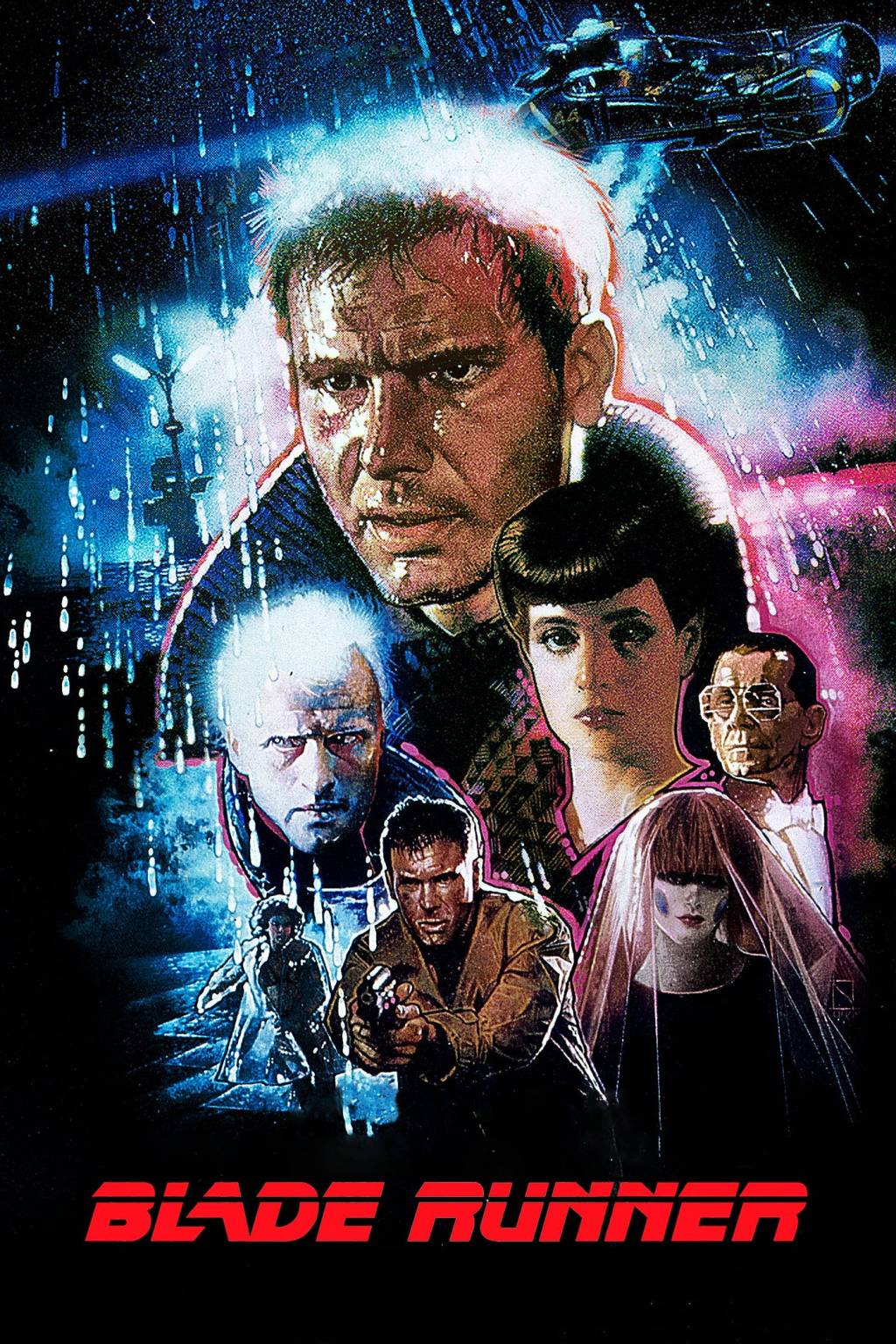
In Ridley Scott’s 1982 landmark sci-fi masterpiece Blade Runner, the line dividing humanity from artificiality is famously razor-thin. But beneath its neon-drenched aesthetic and noir-inspired detective story lies an even more fascinating inversion of narrative roles: Rick Deckard, the nominal hero, functions as a cold executor of state violence, while Roy Batty, the runaway replicant, emerges as the film’s tragic, deeply soulful heart.
When you strip away their formal designations, the conventional dynamic breaks down entirely. Deckard isn’t a traditional hero, and Batty isn’t a simple villain—in fact, Batty earns the audience’s empathy and devotion in ways Deckard never quite achieves.
Deckard: The Reluctant, Cold Instrument
Rick Deckard, portrayed with a weary grit by Harrison Ford, is introduced not as a crusader for justice, but as a retired blade runner coerced back into service. His assignment is straightforward: track down and “retire” four Nexus-6 replicants who have escaped to Earth in search of a way to extend their hardcoded four-year lifespans.
Throughout the narrative, Deckard’s methods are devoid of traditional heroism. He shoots Zhora in the back as she flees through a crowded market; he guns down Pris after a terrifying, desperate struggle. His actions are those of a tired, emotionally detatached bounty hunter executing targets who are fighting simply for the right to exist. Deckard offers little moral reflection on his work until forced to confront his feelings for Rachael. He represents the soul-crushing status quo of a dystopian Los Angeles—indifferent, mechanical, and spiritually worn out.
Roy Batty: The Passionate, Tragic Rebel
In stark contrast stands Roy Batty, played with mesmerizing intensity and theatrical flair by Rutger Hauer. Batty is the leader of the escaped replicants, and while he commits violent acts—most notably murdering his creator, Eldon Tyrell—his motivations stem from the most fundamental human desire: the fight for survival.
Batty is a tragic figure, a slave engineered for military combat who has gained consciousness, self-awareness, and a profound appreciation for existence. He isn’t seeking power or destruction; he is seeking time. Hauer plays Batty not as a mindless machine, but as a romantic, poet-warrior grappling with the existential dread of his own impending death. His violent outbursts are the desperate measures of a creation confronting a indifferent god who built him to burn brightly and burn out fast.
The Inversion: “Tears in Rain”
The true masterpiece of Blade Runner is how it builds to a confrontation where the hero and villain swap places entirely. In the climax atop the Bradbury Building, Batty stalks a terrified, broken Deckard. Batty holds all the power, yet instead of executing the man sent to kill him, he chooses mercy.
As his lifespan expires, Batty saves Deckard from falling to his death, pulling him up with a single hand. Sitting in the rain holding a white dove, Batty delivers cinema’s most haunting dying words:
“I’ve seen things you people wouldn’t believe. Attack ships on fire off the shoulder of Orion. I watched C-beams glitter in the dark near the Tannhäuser Gate. All those moments will be lost in time, like tears in rain. Time to die.”
In his final moments, Batty proves himself more human than the society that built him. He values life so intensely that he saves the very man who hunted his friends.
Why Batty Steals the Film
Audiences gravitate toward Roy Batty because he embodies the ultimate human struggle: the fight against our own mortality. Deckard spends much of the film numb, going through the motions of an assignment he didn’t want. Batty, despite his artificial origins, feels everything with heightened intensity—love for his fellow replicants, rage at his short lifespan, and awe at the majesty of the universe.
By the time the credits roll, Deckard is left changed not by his own triumph, but by the mercy and humanity of the monster he was sent to destroy. Roy Batty may be labeled the antagonist of Blade Runner, but his poetic soul and transcendent final act make him the true emotional center of the story.









Leave a Reply