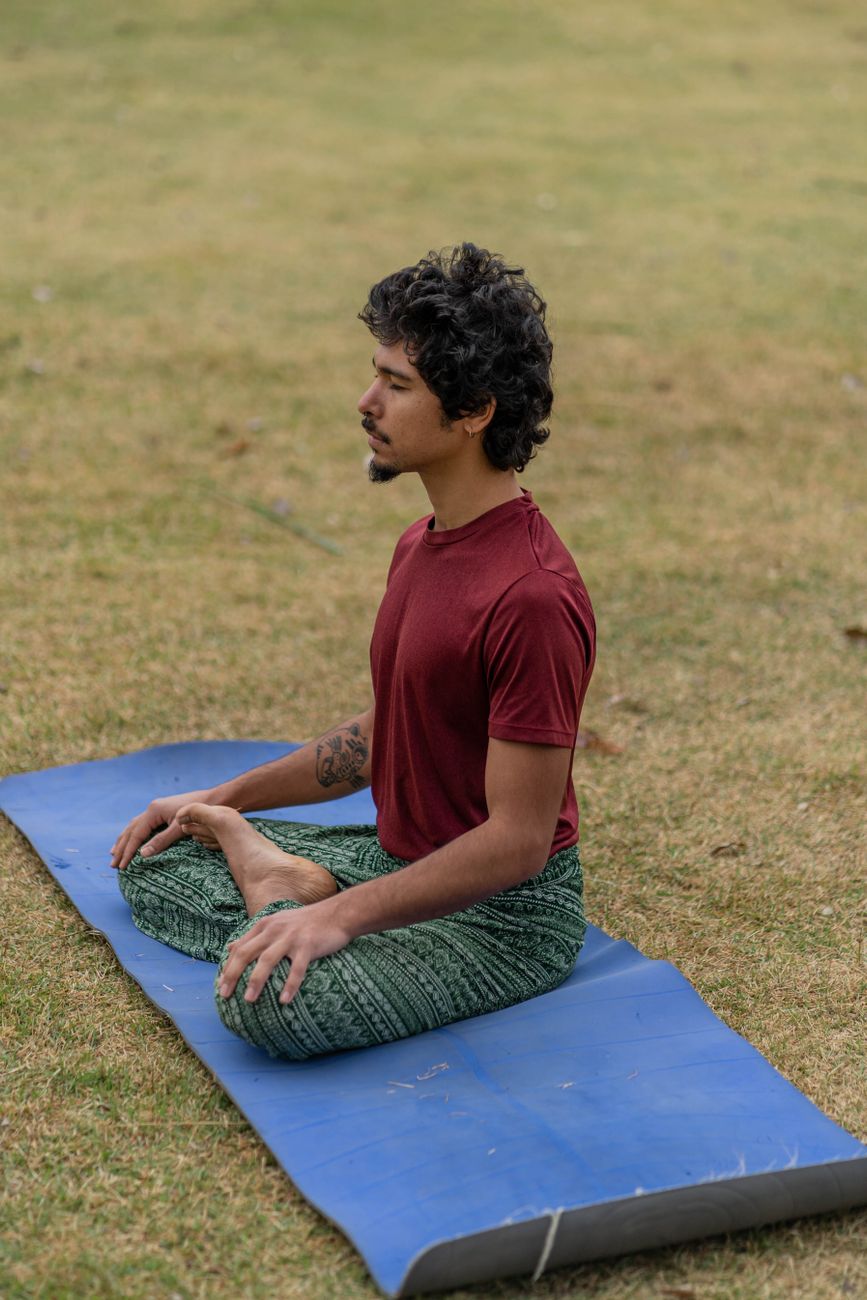

Self-growth—often categorized under personal development—is the intentional process of expanding your knowledge, refining your habits, and developing a deeper understanding of your own mind. Far from being a trendy buzzword, personal evolution is rooted in psychological science and neurobiology, offering a practical framework for building a more deliberate, fulfilling life.
The Core Pillars
- Self-Awareness: The cornerstone of any meaningful change. Understanding your core values, triggers, and cognitive patterns allows you to make conscious choices rather than reacting on autopilot.
- Emotional Resilience: Growth isn’t about eliminating stress; it’s about changing your relationship to it. Developing emotional regulation helps you navigate setbacks without losing momentum.
- Intentional Habit Design: Real change rarely happens through massive, dramatic overhauls. Instead, it is built on micro-habits—small, consistent daily actions that compound over time.
- Continuous Curiosity: Maintaining an active interest in new ideas, skills, and perspectives keeps the mind adaptable and resilient against rigid thinking.
The Mindset Shift: Neuroplasticity in Action
For decades, scientists believed the adult brain was fixed. We now know that through neuroplasticity, the brain continually rewires itself in response to new experiences, thoughts, and behaviors.
Psychologist Carol Dweck framing this around two core mindsets:
- The Fixed Mindset: Believing intelligence and talent are static traits you are born with.
- The Growth Mindset: Understanding that abilities can be developed through effort, strategy, and learning from failure.
When you reframe challenges as feedback rather than a measurement of your worth, staying the course becomes significantly easier.
Bringing It Into Daily Life
To turn philosophy into daily practice, start small:
- Audit Your Environment: The books you read, the content you consume, and the conversations you engage in shape your internal narrative. Curate them intentionally.
- Embrace Deliberate Discomfort: Growth happens at the edge of your comfort zone. Lean into tasks that challenge your current skill level.
- Reflect Regularly: Whether through journaling or a quiet five-minute evening review, tracking your patterns helps you adjust your trajectory in real time.
Personal growth isn’t a final destination or a perfect state to achieve. It is an ongoing practice—a daily commitment to showing up as a slightly better, more aware version of yourself than you were yesterday.






Leave a Reply