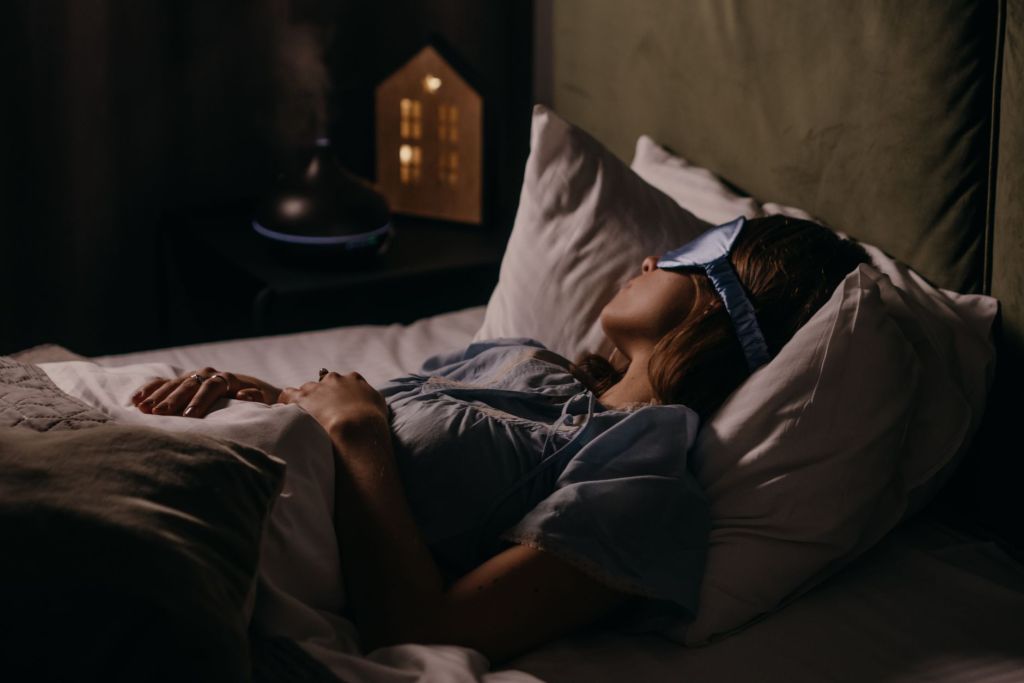
For many years, sleep was often treated as something that could be sacrificed in favour of work, social commitments and the demands of everyday life. Staying up late, getting up early and managing on limited rest were sometimes viewed as signs of dedication or productivity. However, attitudes towards sleep are changing. Increasingly, people are recognising that quality sleep is not simply a luxury but an essential part of maintaining a healthy and balanced lifestyle.
Today, sleep is becoming an important part of conversations about wellbeing, alongside nutrition, exercise, mental health and personal care. But what has brought about this growing interest, and why are people beginning to take their sleeping habits more seriously?
Understanding the Importance of Sleep
Sleep is a complex biological process that allows the body and brain to recover and perform essential functions.
During sleep, the brain remains active, moving through different stages that contribute to memory formation, learning, emotional processing and physical recovery. Sleep also supports the immune system, metabolism and cardiovascular health.
According to the National Institutes of Health, insufficient or poor-quality sleep can affect almost every major system in the body. Long-term sleep deprivation has been associated with an increased risk of several health problems, including heart disease, diabetes and obesity.
This growing understanding of the relationship between sleep and overall health has helped change the way people approach their daily routines.
The Connection Between Sleep and Mental Wellbeing
One of the reasons sleep has become a lifestyle priority is its relationship with mental and emotional wellbeing.
Poor sleep can affect concentration, decision-making, memory and the ability to manage everyday challenges. It can also influence mood, making people more irritable, stressed or emotionally sensitive.
A consistent lack of sleep may make it harder to cope with pressure, particularly for people balancing employment, family responsibilities and personal commitments.
As awareness of mental health continues to grow, sleep is increasingly being recognised as an important part of looking after emotional wellbeing.
Rather than viewing rest as unproductive time, people are beginning to understand that allowing the mind to recover can help support their ability to function throughout the day.
Moving Away From the Always-Busy Lifestyle
Modern life can make it difficult to establish healthy sleeping patterns.
Technology, demanding working schedules, late-night entertainment and constant digital communication can all contribute to disrupted sleep routines.
For some people, the expectation to remain available and productive throughout the day can extend into the evening, making it difficult to switch off.
However, there is growing interest in creating healthier boundaries between work and personal time.
Establishing an evening routine, reducing screen use before bed and allowing time to relax are increasingly recognised as practical ways of supporting better sleep.
This reflects a wider lifestyle shift towards prioritising personal wellbeing rather than measuring success entirely through productivity.
The Growing Interest in Sleep-Friendly Environments
The bedroom is also becoming an important consideration in conversations about lifestyle and wellbeing.
People are paying greater attention to their sleeping environments, considering factors such as lighting, temperature, noise, bedding and mattress comfort.
A comfortable and relaxing bedroom can help create an environment that encourages rest.
Simple changes, including keeping the room relatively cool, reducing unnecessary light and limiting noise, may improve sleeping conditions.
The growing interest in bedroom design also reflects a broader movement towards creating homes that support physical and emotional wellbeing rather than focusing exclusively on appearance.
How Much Sleep Do Adults Need?
Although individual sleep requirements vary, established health guidance provides useful recommendations.
The US Centers for Disease Control and Prevention recommends the following amounts:
- Adults aged 18–60: At least seven hours per night.
- Adults aged 61–64: Seven to nine hours per night.
- Adults aged 65 and over: Seven to eight hours per night.
However, the number of hours spent in bed is not the only consideration. Sleep quality, regularity and whether someone wakes feeling refreshed are also important.
Repeatedly waking during the night or regularly feeling exhausted despite spending sufficient time in bed may indicate an underlying sleep problem.
Practical Ways to Improve Sleep Habits
Improving sleep does not necessarily require expensive products or significant lifestyle changes. Small, consistent adjustments can make a difference.
Some practical recommendations include:
Establish a regular routine: Going to bed and waking up at approximately the same time each day can help regulate the body’s internal clock.
Reduce evening screen time: Phones, tablets and computers can keep people mentally stimulated. Creating time away from screens before bedtime may help.
Be mindful of caffeine: Coffee, tea and other caffeinated drinks can interfere with sleep, particularly when consumed later in the day.
Create a relaxing environment: A quiet, dark and comfortably cool bedroom can encourage better sleeping conditions.
Remain physically active: Regular physical activity supports general health and can contribute to better sleep.
Allow time to unwind: Reading, listening to calming music or practising relaxation techniques can help establish a more peaceful evening routine.
Anyone experiencing persistent difficulties sleeping should consider speaking to a healthcare professional, as conditions such as insomnia and sleep apnoea may require assessment and treatment.
Sleep as an Investment in Everyday Life
The growing attention given to sleep reflects a broader change in how people understand health and lifestyle.
For a long time, rest was sometimes treated as something that could be postponed until everything else had been completed. Today, there is greater recognition that physical health, emotional wellbeing and everyday performance are closely connected to the quality of our rest.
Sleep cannot solve every health or lifestyle challenge, nor does getting more sleep automatically guarantee better health. However, establishing healthy sleeping habits can provide an important foundation for overall wellbeing.
Perhaps the most significant change is the growing recognition that looking after ourselves does not always involve doing more. Sometimes, it means allowing ourselves the time to stop, disconnect and rest.
In a world that rarely seems to slow down, a good night’s sleep may be one of the most valuable lifestyle choices we can make.





Leave a Reply