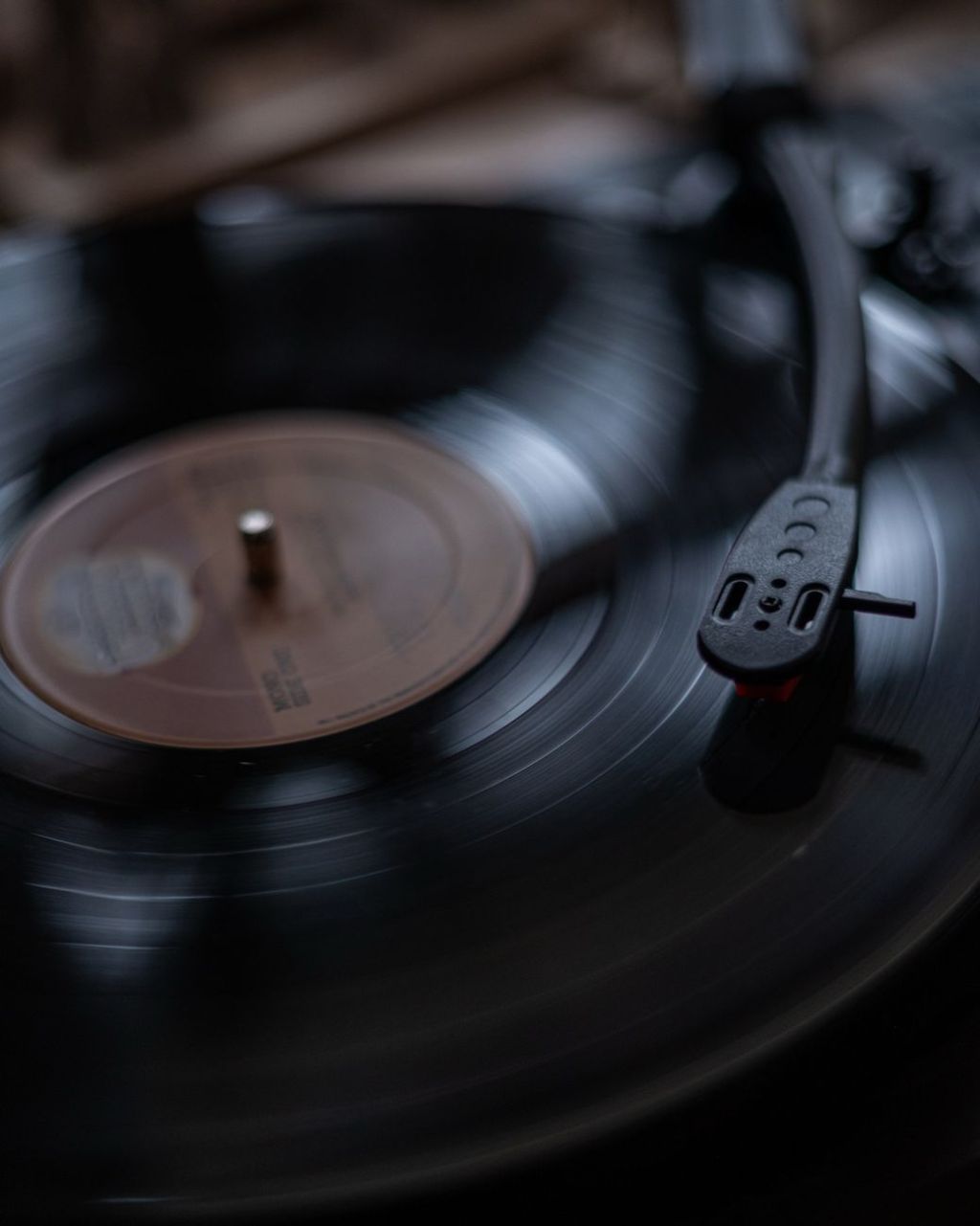
Music has always played an important role in bringing people together, but the way different generations discover, experience and share it is changing. Increasingly, younger and older listeners are exploring each other’s musical interests, introducing one another to different artists, genres and sounds from across the decades.
From grandparents sharing the records they grew up listening to, to younger family members introducing parents to contemporary artists, music is becoming another way of connecting across generational boundaries.
Music Connects Different Generations
Musical preferences are often influenced by the environment in which people grow up. Songs associated with childhood, teenage years and early adulthood can become closely connected to personal memories and important life experiences.
For older generations, particular songs might bring back memories of first relationships, friendships, family occasions or significant moments in history. Younger listeners, meanwhile, may discover older music through family members, films, television programmes and social media.
Research into family musical preferences has found that parents and other relatives can influence the music younger generations enjoy. However, this influence is not necessarily one-directional. Children and young adults can also introduce older family members to new musical styles and artists.
The Influence of Streaming and Technology
Digital technology has made exploring music from different periods considerably easier.
Streaming services provide access to extensive music libraries, allowing listeners to move between decades, genres and international artists without needing physical collections of records, CDs or tapes.
Playlists also make sharing music straightforward. Family members can exchange favourite songs, create collaborative playlists and introduce one another to artists they might otherwise never have discovered.
Social media has contributed to this cultural exchange too. Older songs regularly find new audiences through short-form videos, online trends and renewed interest in particular musical eras.
As a result, a song released decades ago can find an entirely new audience among younger listeners, while contemporary music can become familiar to people who traditionally preferred older styles.
Nostalgia and the Emotional Connection
One important reason people share music is its relationship with memory and emotion.
A familiar song can bring back memories of particular people, places and experiences. This emotional connection can make music an effective way of sharing personal history.
When an older relative introduces a younger family member to a song from their youth, they are potentially sharing more than a musical preference. They may also be introducing them to a period of their own life, explaining what the music meant to them and why it remains important.
Equally, younger listeners can offer older generations an insight into contemporary culture through the music they enjoy.
These exchanges create opportunities for conversation and understanding that might not otherwise happen.
Breaking Down Generational Stereotypes
Music has sometimes been associated with generational divisions, with different age groups developing their own artists, styles and cultural identities.
However, musical interests are not determined entirely by age.
Many younger listeners enjoy classic rock, soul, jazz, Motown and music from previous decades, while older audiences can be enthusiastic followers of contemporary pop, electronic music, hip-hop and other modern genres.
Musical appreciation is individual, and people can develop an interest in sounds that existed long before they were born.
Sharing music can therefore challenge assumptions about what particular generations should enjoy.
Creating Shared Experiences
Music can also provide a simple way for families and friends to spend time together.
Listening to albums, attending concerts, discussing favourite artists or exchanging playlists can create shared experiences across different age groups.
Family gatherings, celebrations and journeys are often accompanied by music, with different generations taking turns choosing what to play.
These moments can help people discover common interests while appreciating the differences in their musical backgrounds.
Importantly, sharing music does not require everyone to enjoy the same things. Sometimes the value lies in being willing to listen, ask questions and appreciate why another person connects with a particular song.
A Shared Musical Future
The relationship between music and generations continues to evolve alongside changes in technology and popular culture.
While listening habits and music formats have changed considerably, the basic appeal of discovering a song, sharing it with someone and connecting through its meaning remains remarkably consistent.
Research into intergenerational music sharing suggests that musical experiences can support family relationships, encourage communication and increase openness towards different musical styles.
Ultimately, music does not belong to one generation. Every era contributes something to the wider musical landscape, and every generation has something worth sharing.
Whether it is an old favourite rediscovered or a new artist introduced by a younger listener, music continues to demonstrate that enjoyment, memories and cultural experiences can cross age boundaries.
Sometimes, the simplest way to understand another generation is to listen to the music that matters to them.









Leave a Reply