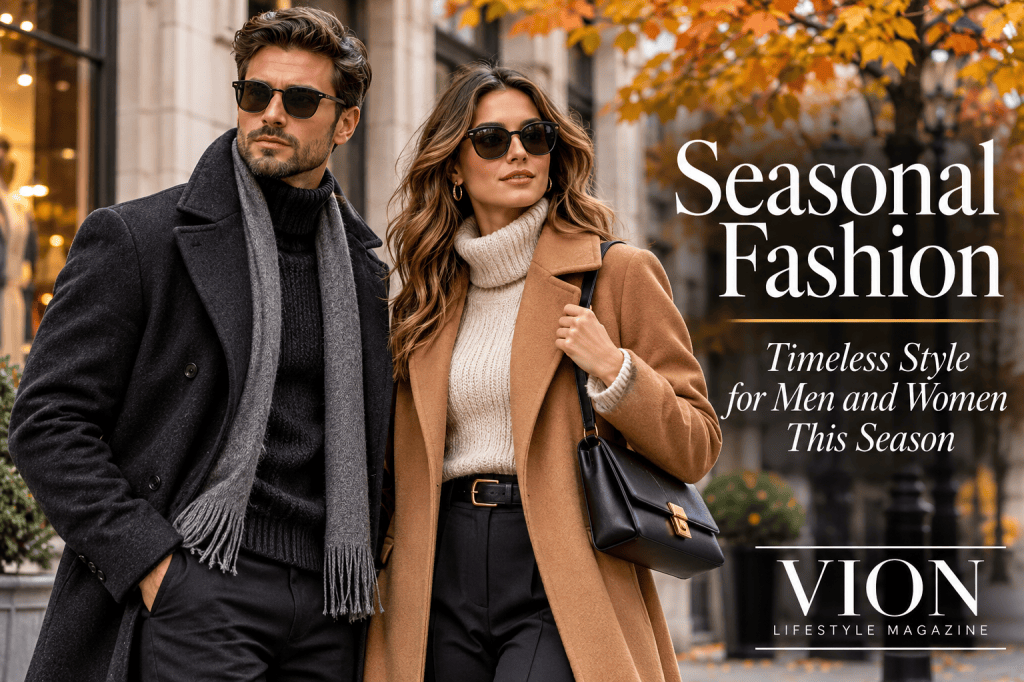
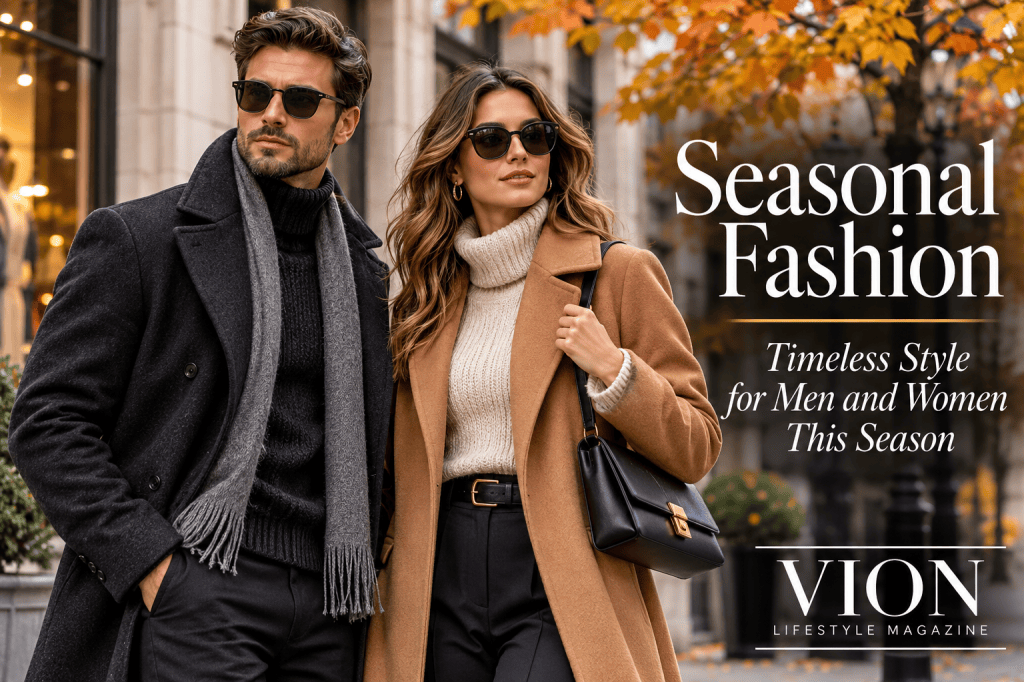
Seasonal fashion provides an opportunity to refresh personal style, explore new combinations and make practical wardrobe choices that reflect the changing weather. For both men and women, the colder months bring an emphasis on layering, comfortable fabrics, versatile clothing and timeless pieces that combine appearance with everyday practicality.
Rather than following every passing trend, seasonal fashion is increasingly about finding a balance between comfort, quality and individuality.
The Importance of Layering
Layering remains one of the most practical and versatile aspects of seasonal dressing. As temperatures fluctuate, wearing several complementary layers allows people to adapt their clothing throughout the day.
For women, combining knitwear with tailored coats, scarves, lightweight tops and structured jackets creates opportunities for outfits that are both comfortable and stylish. Oversized jumpers, knitted dresses and long coats remain popular choices for colder weather.
For men, layering can involve knitted jumpers, shirts, waistcoats, overshirts and well-fitted coats. Combining different textures and complementary colours can create a polished appearance without making an outfit unnecessarily complicated.
The advantage of layering is its flexibility, allowing individual clothing pieces to work together while providing additional warmth.
Fabrics That Combine Comfort and Style
Seasonal fashion places greater importance on fabrics that provide warmth and comfort.
Wool, cashmere, cotton, fleece and heavier knitted materials are popular choices during colder weather. Each offers different characteristics, from the insulating properties of wool to the softness and versatility of cotton.
For women, knitted dresses, wool coats, textured jumpers and comfortable trousers offer practical options for everyday dressing.
Men can incorporate wool-blend coats, knitted sweaters, heavier cotton shirts and structured jackets into their wardrobes.
Choosing appropriate fabrics can make a considerable difference to how comfortable clothing feels, particularly when spending extended periods outdoors.
Colours That Define the Season
Seasonal colour palettes often reflect the natural environment, with autumn and winter bringing greater attention to deeper, richer shades.
Chocolate brown, burgundy, forest green, navy, charcoal and camel remain versatile choices. Neutral shades, including cream, beige, black and grey, also provide a useful foundation for creating coordinated outfits.
These colours work across men’s and women’s fashion and can be combined in numerous ways.
For those who prefer something more distinctive, incorporating brighter colours through accessories, scarves or individual clothing pieces can introduce personality without overwhelming an outfit.
Outerwear Takes Centre Stage
A well-chosen coat or jacket can become one of the most important pieces in a seasonal wardrobe.
For women, tailored wool coats, padded jackets, longer silhouettes and contemporary outerwear designs offer different approaches to colder-weather dressing.
For men, classic overcoats, practical parkas, bomber jackets and structured wool coats provide options suitable for different occasions.
The right outerwear should consider warmth, practicality, fit and personal preference. A versatile coat that complements several outfits can often prove more useful than purchasing multiple items that serve the same purpose.
Footwear and Accessories
Footwear plays an important role in seasonal fashion, particularly when weather conditions become less predictable.
Leather boots, ankle boots, Chelsea boots and practical trainers remain versatile options. Both men and women can incorporate footwear that balances appearance with comfort and suitability for the conditions.
Accessories also provide opportunities to personalise seasonal outfits.
Scarves, gloves, hats, belts and bags can introduce additional texture and colour while serving a practical purpose. Selecting accessories that complement existing wardrobe pieces can help create a more coordinated appearance.
The Move Towards More Considered Fashion Choices
Another important aspect of contemporary fashion is the growing discussion around buying fewer, more versatile items.
Rather than constantly replacing clothing to follow short-lived trends, consumers are increasingly considering durability, cost per wear and whether an item will remain useful beyond a single season.
Building a wardrobe around classic pieces can make getting dressed easier while reducing unnecessary purchases.
This approach is not about avoiding fashion or individuality. Instead, it encourages people to make more considered choices about what they wear and how they use their clothing.
Fashion Without Boundaries
Although men’s and women’s fashion have traditionally been presented as separate categories, many contemporary seasonal trends share similar influences.
Neutral colour palettes, oversized silhouettes, practical outerwear, comfortable knitwear and layered styling appear across both markets.
Fashion is ultimately a form of personal expression. Whether someone prefers traditional tailoring, relaxed everyday clothing, contemporary designs or a combination of different styles, seasonal dressing provides an opportunity to explore individual preferences.
The Beauty of Seasonal Style
The appeal of seasonal fashion lies in its ability to combine practicality with creativity.
Colder weather does not mean compromising on personal style. With thoughtful layering, suitable fabrics, versatile footwear and carefully selected accessories, both men and women can create wardrobes that feel comfortable, functional and visually appealing.
Ultimately, good seasonal fashion is not necessarily about owning the latest collection or following every new trend. It is about finding clothing that works for everyday life, reflects individual personality and remains enjoyable to wear.
Great style is not defined by the season, but by the confidence with which it is worn.
Vion Lifestyle Magazine | Fashion & Style









Leave a Reply