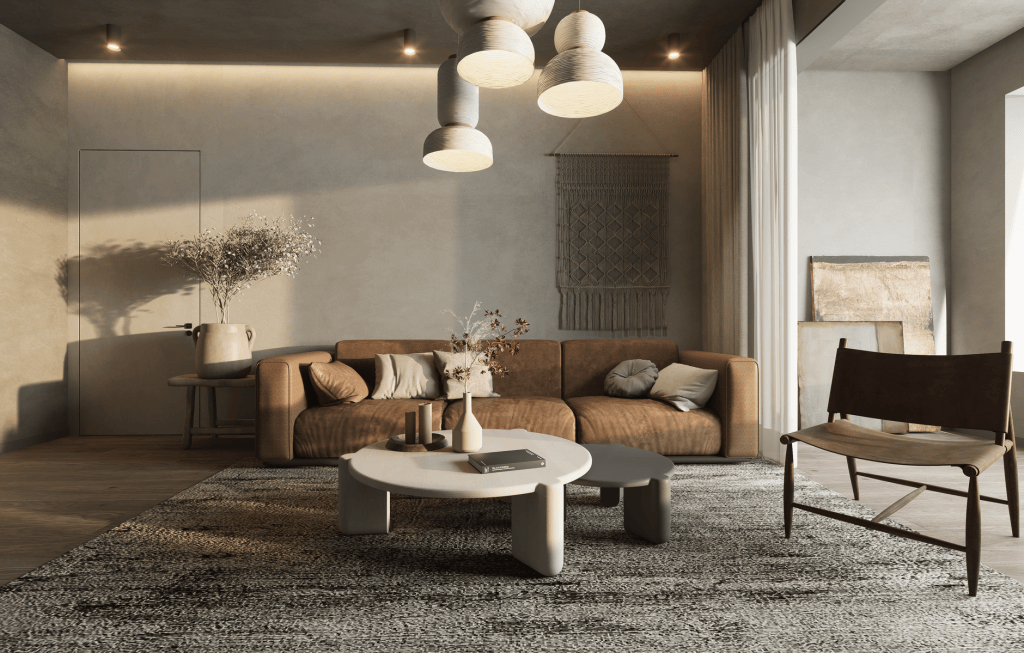
Interior design is often associated with appearance, furniture, colour schemes and personal taste. However, the spaces in which we live and work can influence far more than how a room looks. Our surroundings can affect our mood, concentration, behaviour, comfort and overall sense of wellbeing.
The relationship between our environment and psychological wellbeing is an important area of study. Environmental psychology examines how people interact with the spaces around them and how physical surroundings can influence thoughts, emotions and behaviour.
Understanding the psychology of interior design helps explain why certain rooms feel calming and welcoming, while others can feel uncomfortable, overwhelming or distracting.
The Influence of Colour on Mood
Colour is one of the most noticeable elements of interior design, and it can influence how people perceive and experience a space.
Different colours are often associated with particular emotional responses. Blue, for example, is frequently linked with calmness and tranquillity, while green is commonly associated with nature, balance and renewal. Warmer colours, including red, orange and yellow, can create a sense of energy, warmth and visual stimulation.
However, colour psychology is not universal. Personal experiences, cultural associations, lighting conditions and individual preferences all influence how someone responds to a particular colour.
This is why choosing colours for a home should involve more than following current decorating trends. The atmosphere someone wants to create is equally important.
Lighting and Its Effect on Wellbeing
Lighting plays an important role in how people experience their surroundings.
Natural daylight helps regulate the body’s internal circadian rhythm, which influences sleep and wakefulness. Exposure to natural light during the day can support alertness and help maintain a healthy sleep-wake cycle.
Poorly planned lighting, particularly in spaces used for reading, working or relaxing, can also contribute to discomfort and eye strain.
A combination of natural daylight, general room lighting and softer lamps can make a space more adaptable. Brighter lighting may be useful for activities requiring concentration, while warmer, softer lighting can help create a more relaxing atmosphere in the evening.
Clutter, Organisation and Mental Wellbeing
The organisation of a living space can influence how people feel and function within it.
Excessive clutter can create visual distractions and make it more difficult for some people to concentrate or relax. Research into environmental psychology suggests that crowded or disorganised surroundings can contribute to feelings of stress and mental overload.
However, this does not mean that every home needs to be minimalist.
Personal possessions, photographs, books, artwork and meaningful objects can provide comfort and contribute to a person’s sense of identity. The important distinction is between an environment that feels personally meaningful and one that becomes difficult to manage.
Creating practical storage, maintaining clear surfaces where useful and organising belongings can help make everyday living more comfortable.
The Importance of Nature and Natural Materials
The relationship between interior design and nature has received increasing attention.
Biophilic design is an approach that incorporates natural elements into buildings and interior spaces. This can include houseplants, natural daylight, wood, stone, water features and views of outdoor environments.
Research into people’s responses to natural environments suggests that contact with nature can support relaxation and psychological wellbeing.
Introducing plants into a home, using natural materials or creating a comfortable space near a window can help establish a stronger connection with the natural world.
Even relatively small changes can make an interior feel more welcoming and connected to its surroundings.
Furniture, Space and Personal Comfort
The arrangement of furniture can influence how people move, interact and behave within a room.
A poorly arranged living space may feel cramped or impractical, while a thoughtful layout can improve movement and make everyday activities easier.
Furniture should be selected according to its purpose, comfort and suitability for the available space.
For example, a comfortable reading chair positioned near natural light can encourage reading and relaxation. A dining table placed centrally within a room can create a natural gathering point for family and friends.
The way a room is arranged can also influence social interaction. Open layouts may encourage conversation, while separate areas can provide opportunities for privacy and personal space.
Interior Design and Personal Identity
Our homes are often reflections of who we are.
The objects, colours, furniture and artwork people choose can communicate personal interests, memories, cultural influences and individual tastes.
A home filled with books may reflect a love of reading, while photographs and treasured possessions can provide reminders of important experiences and relationships.
This connection between personal identity and living environments helps explain why a beautifully decorated room does not necessarily feel like home.
A space becomes meaningful when it reflects the people who use it rather than simply reproducing a particular design trend.
Creating Spaces for Different Activities
Different environments support different activities, and interior design can help establish clear distinctions between them.
A bedroom should ideally provide an atmosphere that supports rest and relaxation. A home office may benefit from good lighting, comfortable seating and limited distractions. A kitchen needs to balance practical organisation with a welcoming atmosphere.
For people who work from home, establishing a dedicated working area can also help create a psychological distinction between professional responsibilities and personal time.
Even when space is limited, different lighting, furniture arrangements or decorative features can help define separate functions within the same room.
Why Interior Design Does Not Need to Be Expensive
Creating a psychologically comfortable home does not necessarily require expensive furniture, professional designers or major renovations.
Small changes can have a noticeable effect on how a space is experienced.
Rearranging furniture, introducing softer lighting, reducing unnecessary clutter, adding plants or displaying meaningful personal objects can all contribute to a more comfortable environment.
The most effective interior design choices are not always the most fashionable or expensive. They are the choices that make a space practical, welcoming and enjoyable to live in.
The Psychology of Feeling at Home
Interior design is about much more than decoration. It involves understanding how physical environments interact with human emotions, behaviour and everyday experiences.
The colours we see, the light entering a room, the objects surrounding us and the way furniture is arranged can all contribute to how we experience our homes.
Although there is no single design formula that guarantees happiness or improved mental wellbeing, creating spaces that reflect personal needs and preferences can support comfort, relaxation and a greater sense of belonging.
Ultimately, the best-designed home is not necessarily the one that looks like it belongs in a magazine. It is the one in which people feel comfortable, secure and able to be themselves.
A home should be more than a place to live. It should be an environment that supports the way we want to feel and the way we want to live.









Leave a Reply