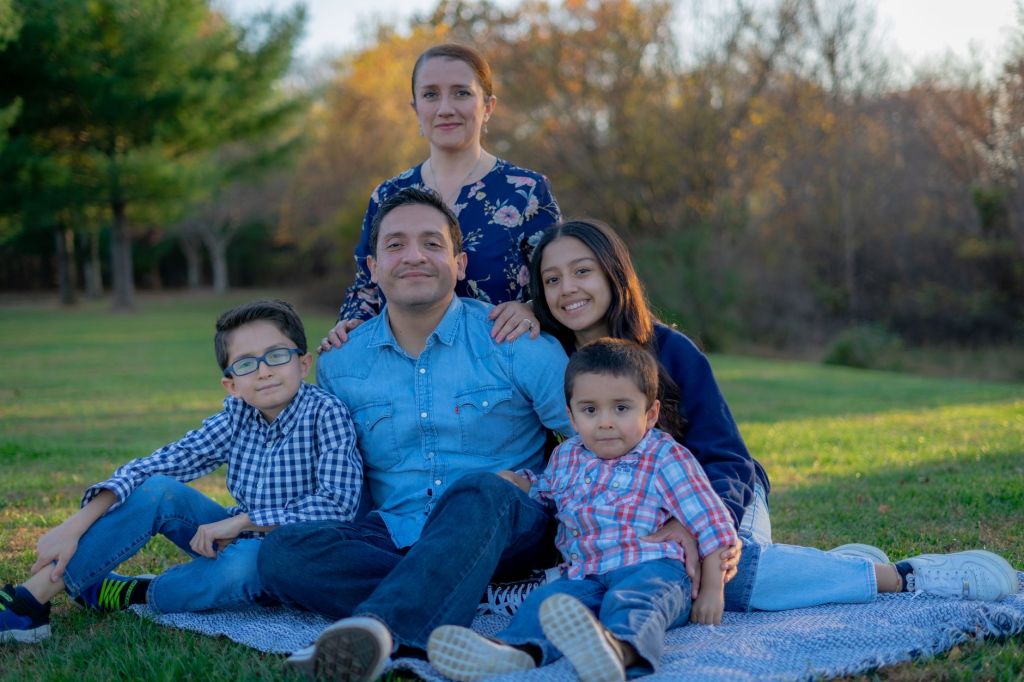
For generations, the traditional image of family was often centred around two parents and their children living under one roof. However, as society has evolved, so too has the understanding of what constitutes a family. Today, family structures are more diverse than ever, reflecting changing social attitudes, personal circumstances, relationships and lifestyles.
While the traditional family remains an important part of society, it is no longer the only recognised model. Increasingly, people are recognising that family is not necessarily defined by a particular household arrangement, but by the relationships, responsibilities and emotional connections that bring people together.
A More Diverse Family Structure
Modern families take many different forms. Single-parent households, blended families, same-sex parents, unmarried couples raising children, adoptive families and multigenerational households are all part of contemporary society.
Blended families, for example, have become an increasingly familiar feature of modern life. When people enter new relationships after separation or divorce, children may become part of a household that includes stepparents, step-siblings and extended relatives. These relationships can create new family connections that develop over time.
Similarly, single-parent families demonstrate that raising children and providing a stable home does not necessarily require two parents. Many parents successfully manage family life independently, supported by relatives, friends and wider community networks.
The Importance of Emotional Connections
One of the most significant changes in how people understand family is the growing recognition of emotional connection rather than simply biological relationships.
For some individuals, close friends become an essential source of support, companionship and stability. These relationships are sometimes described as chosen families, particularly among people who may have limited contact with biological relatives.
This does not diminish the importance of traditional family relationships. Instead, it recognises that meaningful connections can develop in different ways and that belonging is not exclusively determined by blood or marriage.
Trust, loyalty, shared experiences and mutual support are often central to the relationships people consider most important.
Changing Attitudes Towards Marriage and Parenthood
Social attitudes towards marriage and parenthood have also changed considerably.
Marriage is no longer viewed as an essential step before starting a family, and more couples choose to live together without getting married. Others decide not to have children, preferring to build their lives around careers, relationships, personal interests or other priorities.
Advances in fertility treatment, adoption and assisted reproductive technologies have also created additional routes to parenthood, allowing more people to explore starting families in ways that were less accessible to previous generations.
These developments reflect a broader recognition that there is no single timetable or pathway for building a family.
The Role of Grandparents and Extended Families
Although family structures are changing, extended family relationships continue to play an important role.
Grandparents frequently provide childcare, emotional support and practical assistance to parents. In some households, several generations live together, sharing responsibilities and resources.
Multigenerational living can help families manage housing costs, childcare arrangements and the needs of older relatives. It can also create opportunities for different generations to learn from one another and maintain closer relationships.
For many people, these connections remain an important source of identity, continuity and belonging.
The Challenges Facing Modern Families
Despite greater acceptance of different family structures, modern families still face significant challenges.
Financial pressures, housing costs, work commitments and childcare expenses can place considerable strain on households. Separation and divorce may also require families to adapt to new living arrangements and changing relationships.
Families with different structures can sometimes encounter social judgement or a lack of understanding, particularly where traditional expectations remain deeply established.
Creating a supportive environment for all families requires recognising that stability, care and security are not exclusive to one particular household model.
What Does Family Mean Today?
Perhaps the most important development is that family is increasingly understood as something defined by relationships rather than appearances.
For some, family means parents, children and grandparents. For others, it includes step-relatives, adoptive parents, close friends or people who have become an important part of their lives.
There is no universal definition that captures every person’s experience.
What remains consistent, however, is the importance of care, commitment, trust and support. These qualities help create the foundations of family life, regardless of how a household is structured.
A Broader Understanding of Belonging
The changing definition of family reflects wider developments in society, including greater individual choice, changing attitudes towards relationships and a growing recognition of different lifestyles.
Rather than suggesting that one family structure is better than another, modern society is gradually moving towards a broader understanding of what it means to belong.
Ultimately, family is about the people who stand beside us, support us through difficult times and share the experiences that shape our lives.
The structure may change from one generation to the next, but the importance of human connection remains.
Perhaps the modern definition of family is not about who shares our surname or lives under the same roof, but about who makes us feel that we belong.









Leave a Reply