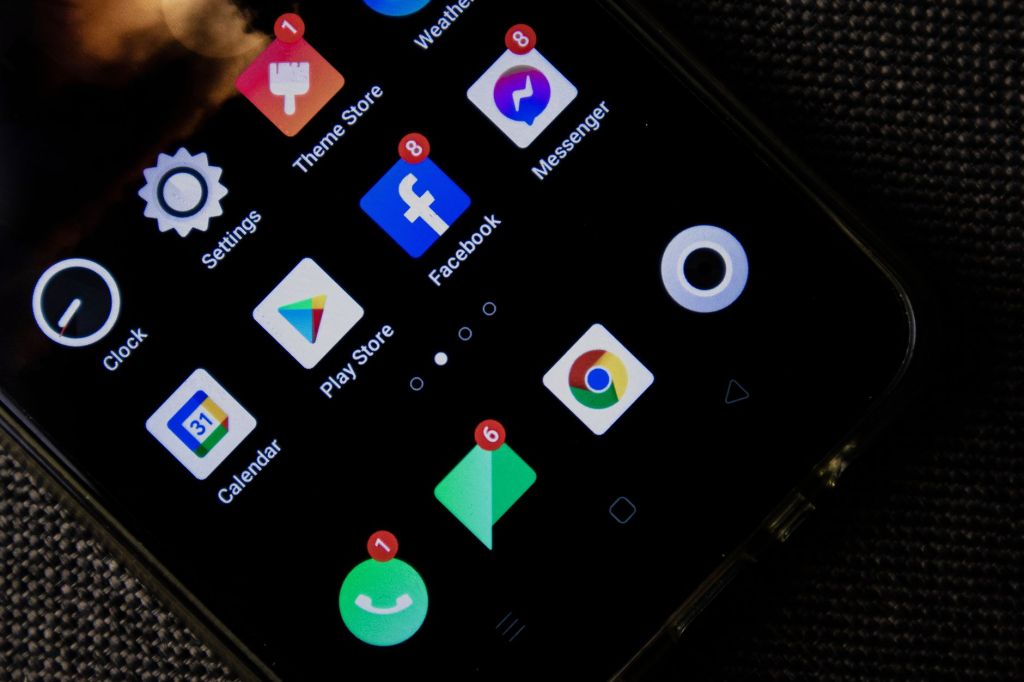
Modern technology has made communication faster and more convenient than ever before. Smartphones, tablets, computers and smartwatches keep people connected throughout the day, delivering a continuous stream of messages, reminders, emails, social media updates and breaking news alerts.
However, the convenience of constant notifications comes with a psychological cost. What may appear to be a harmless ping or vibration can interrupt concentration, influence behaviour and create a persistent feeling that attention must always be available.
Understanding the psychology behind notifications helps explain why so many people find it difficult to disconnect from their devices, even when they recognise the need for a break.
The Psychology of Anticipation
One reason notifications are so effective at capturing attention is the anticipation of receiving something new.
A notification might contain an important message, an interesting update or something entirely insignificant. Because the content is unpredictable, people can develop a habit of checking their devices whenever an alert appears.
This behaviour is closely associated with intermittent reinforcement, a psychological principle in which rewards arrive unpredictably. When checking a phone occasionally produces something interesting or rewarding, the behaviour can become more habitual.
Social media platforms, messaging services and other digital applications can reinforce this pattern by continually providing opportunities for new information and interaction.
The Impact on Concentration
Notifications can interrupt concentration, particularly when someone is engaged in a task that requires sustained attention.
Even a brief interruption can break the flow of an activity. After checking a message or looking at an alert, the brain must redirect its attention towards the original task.
Research into workplace interruptions has demonstrated that switching between activities can increase mental demands and make it harder to maintain concentration.
The problem is not limited to the time spent reading a notification. There can also be a period of mental adjustment before a person fully returns to what they were doing.
Over time, frequent interruptions can make reading, studying, working and even ordinary conversations more difficult.
Why People Feel Compelled to Check Their Phones
For many people, checking a smartphone has become an automatic behaviour rather than a conscious decision.
A moment of boredom, a short pause in conversation or even the sound of another person’s phone can trigger the urge to check for updates.
There is also the fear of missing out, commonly known as FOMO. People may worry that an important conversation, social event, opportunity or piece of information is happening without their knowledge.
This can create a feeling of being permanently connected to the digital world.
The expectation of being reachable can also make people feel that they should respond immediately, even when there is no genuine urgency.
The Relationship Between Notifications and Stress
Constant digital interruptions can contribute to feelings of pressure and mental fatigue.
An incoming notification creates a decision: should it be checked immediately, ignored or answered later? Repeating this decision throughout the day can add to the mental demands of everyday life.
Work-related notifications can be particularly challenging because they blur the boundary between professional responsibilities and personal time.
When people feel expected to remain available outside working hours, opportunities for genuine rest and recovery can become limited.
Notifications themselves do not automatically cause stress or anxiety, and individual experiences vary. However, the volume, frequency and perceived importance of alerts can influence how people respond to them.
How Notifications Affect Sleep
Smartphones can also influence evening routines and sleep habits.
Late-night messages, social media updates and news alerts can encourage people to remain engaged with their devices when they would otherwise be preparing for sleep.
The stimulation of continued interaction, combined with exposure to screen light, can make it harder for some individuals to establish a consistent bedtime routine.
Research has associated excessive evening screen use with poorer sleep outcomes, although the relationship varies according to individual circumstances and patterns of use.
Reducing unnecessary notifications in the evening can help create a calmer environment and make it easier to disconnect.
Taking Back Control of Digital Attention
Managing notifications does not necessarily mean abandoning technology. Digital communication remains valuable, particularly for work, relationships, safety and everyday organisation.
The challenge is learning to use technology deliberately rather than allowing every alert to dictate where attention goes.
Several practical changes can help:
- Disable unnecessary alerts: Turn off notifications from applications that do not require immediate attention.
- Use scheduled checking: Set aside specific periods to check emails, messages and social media.
- Create quiet periods: Use Do Not Disturb settings during reading, work, meals and relaxation.
- Keep the bedroom notification-free: Consider leaving your phone outside the bedroom or switching off non-essential alerts overnight.
- Prioritise important contacts: Allow calls or messages from selected people through when necessary.
- Resist automatic checking: Before picking up a device, consider whether there is a genuine reason to do so.
These small adjustments can help restore a greater sense of control over personal time and attention.
A Healthier Relationship With Technology
The psychology of constant notifications reveals an important feature of modern life: attention has become something that technology continually competes for.
Every alert presents an opportunity to interrupt whatever someone is doing, whether that is working, reading, spending time with family or simply enjoying a moment of quiet.
Technology is not inherently the problem. The difficulty arises when convenience develops into constant availability and checking a device becomes an automatic response to every moment of silence.
Learning when to disconnect is therefore an important part of maintaining a healthier relationship with digital communication.
In a world where information is available around the clock, perhaps one of the most valuable skills is recognising that not every notification deserves an immediate response.
Sometimes, protecting your attention means allowing the phone to remain silent.









Leave a Reply