Every January, Palma de Mallorca bursts with colour, fire and tradition as the city celebrates two of its most anticipated winter festivals, Sant Antoni and Sant Sebastià. For British travellers seeking a Mediterranean escape with a distinctly local feel, January offers the perfect opportunity to experience the Balearic capital at its most vibrant. Whether it is sampling regional delicacies or participating in nearby parades, there is something for all to enjoy during this festive period.
A tale of two saints
The first of Palma’s winter festivities is Sant Antoni, taking place on 16 and 17 January, when crowds gather to honour Sant Antoni, the patron saint of animals. Rooted in centuries-old religious and folkloric tales, celebrations primarily revolve around the unmissable Correfoc procession, when costumed dimonis (demons), fire-breathing dragons, traditional drums (batucadas) and pyrotechnics take over the streets in an act of good over evil to banish the winter’s darker spirits.
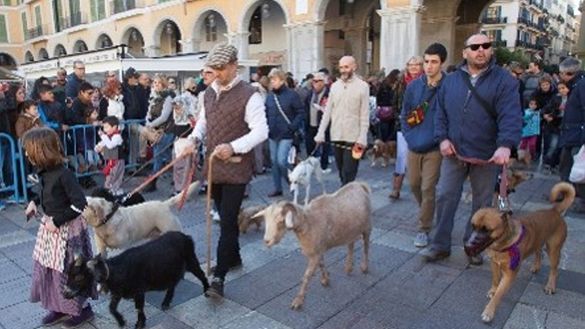
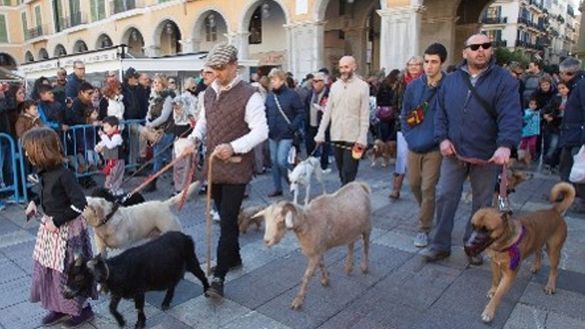
The following day, traditional blessings of animals are held outside village churches. From household pets and livestock, and even in some communities, tractors. This custom offers visitors charming insight into Mallorca’s enduring rural heritage.
Several days later, the city turns its attention to its own patron saint on 20 January with the Sant Sebastià Festival. According to local legend, devotion to Sant Sebastià in Palma began during the plague epidemic of 1523–1524, when a ship carrying a relic of the saint was reportedly caught in a storm in Palma Bay. After the epidemic miraculously subsided, Sant Sebastià came to be venerated as the city’s protector.
Today, the festival continues as one of the capital’s biggest events, transforming its streets and squares into a lively hub for music, food, old tales and fire.
What can British travellers expect from Sant Sebastià
- The Pregó (Opening Proclamation): The ceremonial launch takes place in Plaça de Cort, centred around the square’s famous 600-year-old olive tree.
- Sant Sebastià Petit: A dedicated day of family-friendly workshops, storytelling, circus performers and children’s entertainment, ensuring the festival caters to visitors of all ages.
- Tardeos and plaza concerts: Live music fills squares including Plaça d’Espanya, Plaça Major and Plaça de Cort through the afternoons and evenings, with recent editions showcasing local Mallorcan talent alongside contemporary Spanish acts.
- La Revetla de Sant Sebastià (19 January) — The undisputed heart of the festival, this lively evening sees Palma’s historic centre come alive with foguerons (bonfires), communal barbecues, and song.
- The Trobada de Gegants — A technicolour parade of gegants (giants) and capgrossos (big-heads), a tradition beloved by Mallorcan families for generations.
More to discover in Palma
Beyond the headline events, the festival period also welcomes an annual open day on 20 January. On this day, visitors are offered free entry to some of Palma’s leading cultural institutions, including Es Baluard Museu d’Art Contemporani de Palma. Housed within the city’s historic Renaissance walls, the museum showcases modern and contemporary art with a Mediterranean focus, alongside striking views across Palma Bay, the Cathedral and Bellver Castle.
From spectacular fire displays and bustling street celebrations to art, music and hearty gastronomy, kickstart 2027 with a city break to Palma and discover the city at its most festive during Sant Antoni and Sant Sebastià.









Leave a Reply