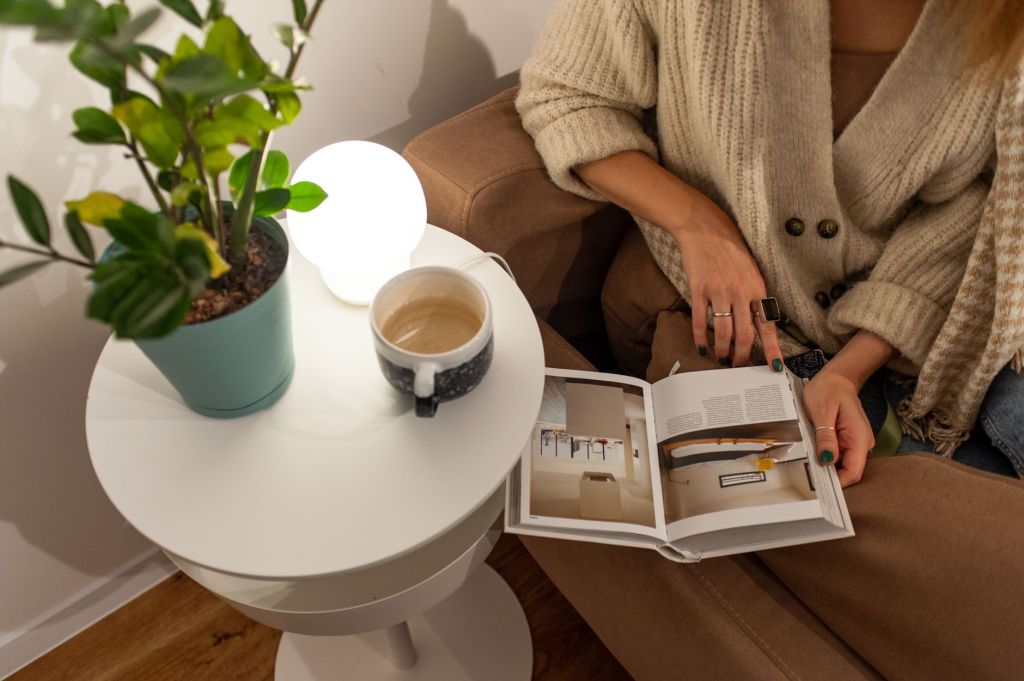
In a world that increasingly demands constant attention, availability and connectivity, having personal space is becoming one of the most valuable luxuries in modern life. While status has traditionally been associated with wealth, expensive possessions, prestigious careers and impressive lifestyles, a growing appreciation for privacy, independence and uninterrupted time is changing how people define success.
For many, the ability to enjoy a peaceful home, spend time alone or simply switch off from the outside world is becoming a modern symbol of achievement.
The Changing Meaning of Luxury
Luxury has traditionally been associated with material possessions. Designer clothing, expensive holidays, premium vehicles and large homes have often been used as visible indicators of financial success.
However, attitudes towards luxury are evolving. Increasingly, people are recognising that having control over their time and environment can be just as valuable as owning expensive things.
Personal space represents something that money cannot always guarantee: freedom from unnecessary demands, interruptions and expectations.
Whether it means having a quiet room to read, enjoying an uninterrupted morning or living somewhere that provides privacy, these experiences can contribute significantly to everyday wellbeing.
The Importance of Privacy in a Connected World
Modern technology has made communication easier than ever, but it has also blurred the boundaries between personal and professional life.
Smartphones, social media, instant messaging and remote working mean that many people feel permanently reachable. Notifications and digital communication can create an expectation that responses should be immediate, even outside working hours.
Consequently, the ability to disconnect has become increasingly important.
Protecting personal space does not necessarily mean withdrawing from society. Instead, it involves establishing healthier boundaries and deciding when to engage with the outside world.
Turning off notifications, limiting screen time and creating periods of uninterrupted relaxation are practical ways of reclaiming that independence.
Why Time Alone Has Become More Valuable
Spending time alone is sometimes misunderstood as loneliness or social isolation. However, there is an important distinction between choosing solitude and experiencing unwanted isolation.
For many people, intentional time alone provides an opportunity to reflect, organise thoughts, pursue personal interests and recover from the demands of everyday life.
Activities such as reading, listening to music, gardening, walking or simply enjoying a quiet cup of coffee can provide valuable opportunities to slow down.
Research into solitude and wellbeing suggests that chosen periods of solitude can support emotional regulation and self-reflection, although individual experiences vary.
The important factor is having the freedom to choose when to spend time with others and when to enjoy one’s own company.
The Home as a Personal Sanctuary
The modern home is increasingly expected to serve multiple purposes. It may be a workplace, entertainment space, family environment and place of relaxation.
This has encouraged greater interest in creating surroundings that support comfort, privacy and personal wellbeing.
A dedicated reading corner, a peaceful bedroom, a private garden or even a small area away from household distractions can make a meaningful difference.
Creating personal space does not require an expensive property or extensive renovation. Thoughtful organisation, comfortable furnishings and reducing unnecessary clutter can help establish an environment that feels more peaceful.
Ultimately, the value of a home is not determined solely by its size or market price, but also by how comfortably people can live within it.
Setting Boundaries Is a Form of Self-Respect
Personal space also extends beyond physical surroundings.
Emotional and social boundaries are important parts of maintaining healthy relationships and protecting individual wellbeing.
Learning to say no, declining unnecessary commitments and recognising when time is needed alone can help prevent feelings of exhaustion and resentment.
Healthy boundaries are not about rejecting other people. They are about recognising that personal time and emotional energy have limits.
People who respect their own boundaries are often better positioned to maintain balanced relationships and make thoughtful decisions about how they spend their time.
A Different Definition of Success
Perhaps the most interesting aspect of this changing attitude towards personal space is what it reveals about modern definitions of success.
Having a busy diary, constant social activity or an expensive lifestyle does not automatically translate into happiness or fulfilment.
For some, genuine success means having enough financial security to work fewer hours. For others, it means living somewhere peaceful, having time for family or being able to enjoy hobbies without constantly watching the clock.
The ability to control one’s surroundings, protect privacy and decide how to spend free time can represent a level of independence that material possessions alone cannot provide.
The Luxury of Having Space
Personal space is becoming an increasingly meaningful part of modern living because it represents something many people feel they have less of: control.
In an environment where attention is constantly competed for and availability is often expected, being able to step away can feel remarkably valuable.
Perhaps the new status symbol is not the biggest house, the most expensive wardrobe or the busiest social calendar.
Perhaps it is having the freedom to close the door, silence the phone and enjoy a little peace.
In the end, personal space is not necessarily about having more. It is about having enough room, time and freedom to live life on your own terms.









Leave a Reply