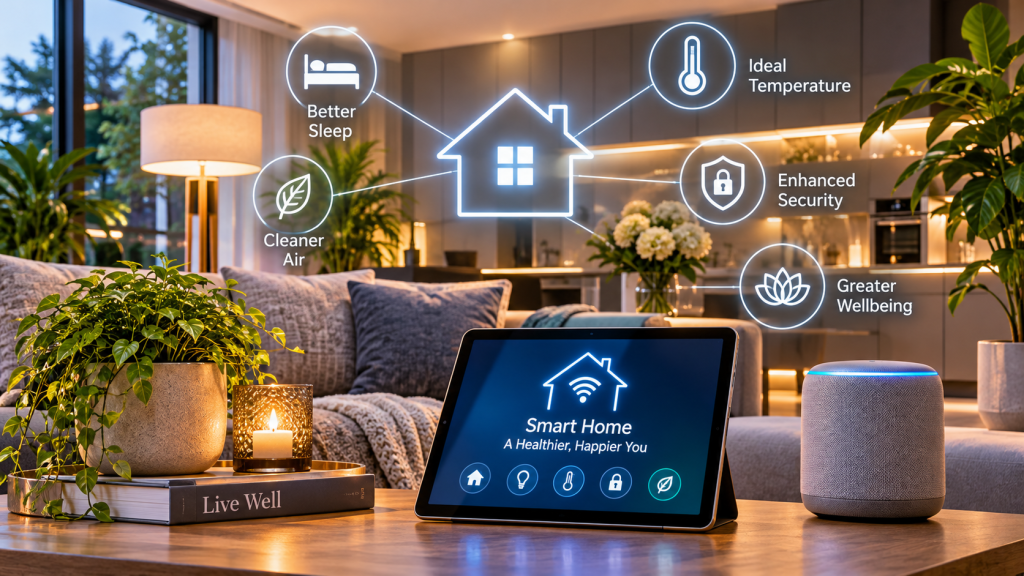
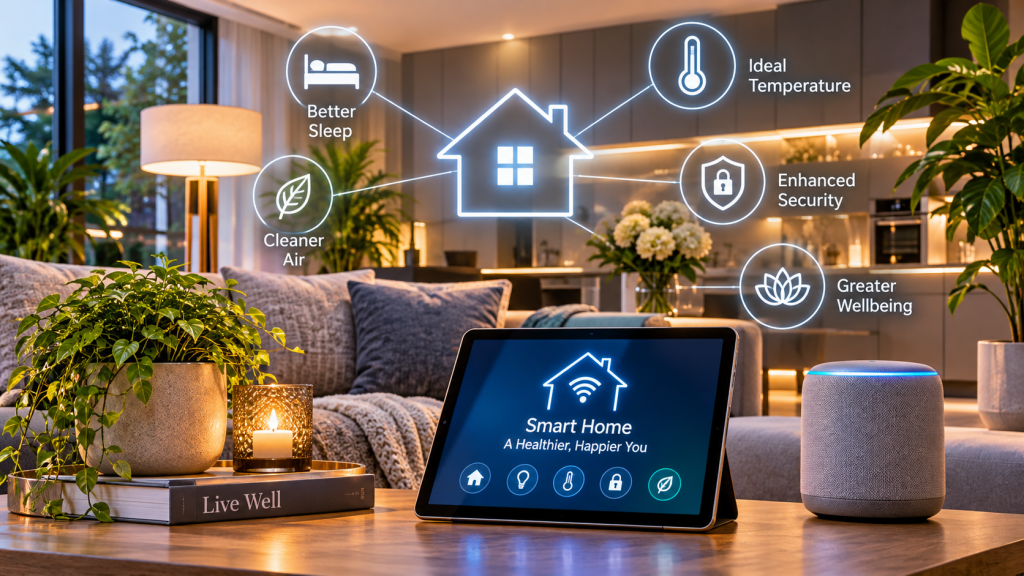
Technology is increasingly becoming part of everyday home life, but its role is expanding beyond convenience and entertainment. Smart home technology is now being used to support wellbeing, improve comfort and create living environments that better respond to people’s needs.
From intelligent lighting and temperature controls to air-quality monitors and sleep-tracking devices, modern homes are becoming more connected, with technology helping people manage aspects of their surroundings that can influence their daily lives.
Creating Healthier Living Environments
One of the biggest developments in smart home technology is the growing interest in healthier indoor environments.
Smart air-quality monitors can measure factors such as carbon dioxide levels, humidity and particulate matter. Some connected systems can also work alongside ventilation and air-purification equipment to help improve indoor conditions.
Good indoor air quality is important because people spend a significant proportion of their time inside homes, workplaces and other buildings. Monitoring ventilation, controlling humidity and reducing indoor pollutants can all contribute to a healthier living environment.
Smart thermostats also allow households to manage heating and cooling more efficiently, maintaining comfortable temperatures throughout the day and night.
The Connection Between Smart Homes and Better Sleep
Sleep is another area where technology is beginning to influence how people organise their homes.
Smart lighting systems can adjust brightness and colour temperature, allowing people to create softer lighting in the evening and brighter conditions during the day. This can help support healthier daily routines and reinforce the body’s natural sleep-wake cycle.
Some smart home systems can also regulate bedroom temperatures, automate curtains and reduce unnecessary noise from connected appliances.
Although these technologies cannot guarantee better sleep, they can help create an environment that is more suitable for rest and relaxation.
Supporting Mental Wellbeing Through Everyday Comfort
The home plays an important role in mental wellbeing. A comfortable, organised and peaceful environment can make everyday life feel more manageable.
Smart technology can help reduce some of the small demands associated with running a household. Automated lighting, voice-controlled devices, scheduled appliances and connected heating systems allow people to manage everyday tasks with less manual effort.
For people with mobility difficulties or certain disabilities, these features can also offer greater independence by making household functions easier to control.
However, technology is not a replacement for human connection, physical activity or professional mental health support. Its value lies in helping create a more comfortable and manageable living environment.
Technology for Safety and Peace of Mind
Smart home security has also become an important part of the connected living experience.
Video doorbells, motion sensors, smart locks, smoke detectors and water-leak sensors can provide alerts when something unusual happens. Some systems allow homeowners to monitor their properties remotely through smartphone applications.
These features can offer additional reassurance, particularly for people who travel frequently or want greater awareness of what is happening inside their homes.
Smart safety devices should still be viewed as an additional layer of protection rather than a substitute for conventional safety equipment and sensible precautions.
The Importance of Privacy and Digital Balance
Despite the benefits, the growth of smart homes raises important questions about privacy, security and how much technology people actually need.
Connected devices can collect information about household routines, movements and usage patterns. Consumers should therefore understand what information their devices collect, where it is stored and how it is shared.
Using strong passwords, enabling available security updates and choosing reputable manufacturers are important steps towards protecting connected homes.
There is also a question of balance. A home designed around wellbeing should provide opportunities to disconnect from technology rather than introduce another constant source of notifications and digital distractions.
A More Personal Approach to Modern Living
The future of smart homes is likely to involve greater personalisation, with devices working together to respond to individual preferences and household routines.
Artificial intelligence and connected sensors are already helping make some systems more responsive, from adjusting heating automatically to identifying changes in indoor conditions.
However, a genuinely wellbeing-focused home does not need to be filled with expensive technology. Simple improvements such as better lighting, comfortable temperatures, good ventilation and a peaceful place to relax remain important.
Conclusion
The rise of smart homes for wellbeing reflects a wider change in how people think about their living spaces. Homes are no longer viewed simply as places to sleep, eat and store possessions. Increasingly, they are being considered environments that can support comfort, safety, independence and healthier everyday routines.
Smart technology offers opportunities to make homes more responsive to the people living in them. The real measure of its success, however, will not be how many connected devices a household owns, but whether those devices genuinely improve everyday life.









Leave a Reply