In a world where everyday life can often feel busy, demanding and overwhelming, finding simple ways to look after our physical and mental wellbeing has become increasingly important. While self-care is frequently associated with exercise, meditation, skincare or taking time away from work, one everyday activity can also play a valuable role: cooking.
Preparing food is something most people have to do regularly, but approaching it differently can transform cooking from an ordinary household responsibility into a rewarding form of self-care.
The Connection Between Cooking and Wellbeing
Cooking can provide an opportunity to slow down and concentrate on something practical and enjoyable. Rather than rushing through meal preparation, taking time to select ingredients, follow a recipe and prepare a meal can encourage people to become more present in the moment.
This has similarities to mindfulness, which involves paying attention to present experiences rather than becoming distracted by worries or competing demands.
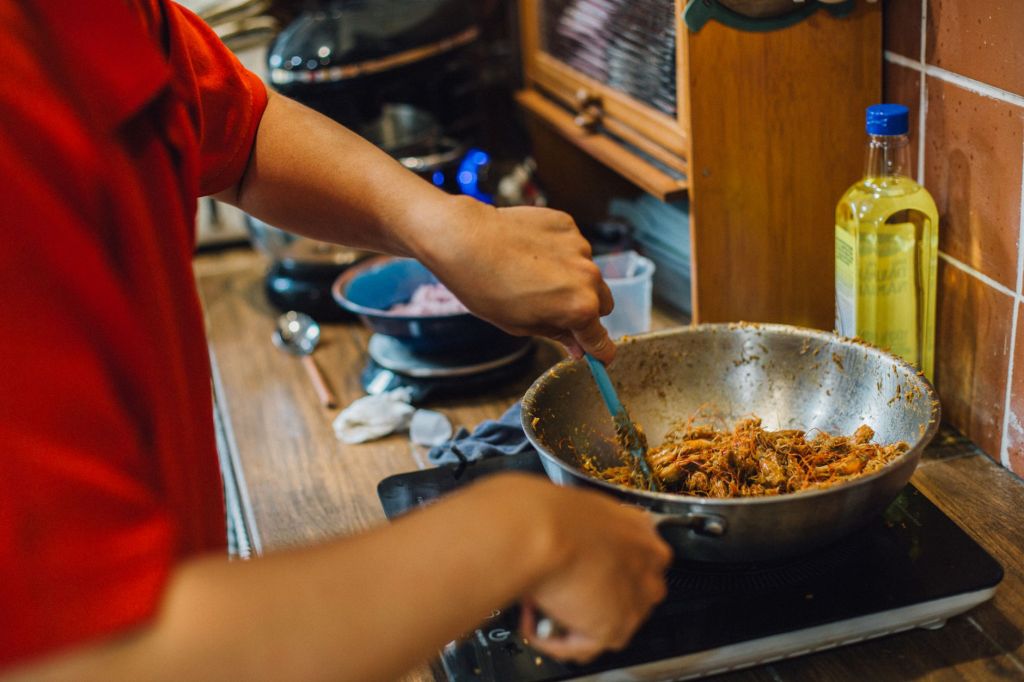
Activities such as chopping vegetables, measuring ingredients, stirring sauces and arranging food require attention and coordination. For some people, these repetitive actions can provide a welcome break from the pressures of everyday life.
Although cooking is not a treatment for stress or mental health conditions, engaging in an enjoyable activity can contribute to a person’s overall sense of wellbeing.
Cooking Encourages Healthier Eating Habits
One of the most practical benefits of preparing meals at home is having greater control over what goes into the food.
Cooking from fresh ingredients makes it easier to understand portion sizes, monitor salt and sugar consumption and include a wider variety of vegetables, fruit, whole grains and protein sources.
The NHS recommends eating a balanced diet that includes a variety of foods, with fruit and vegetables forming an important part of everyday nutrition.
Preparing meals at home can also encourage people to experiment with different ingredients and discover healthier alternatives to heavily processed convenience foods.
However, self-care should not become another source of pressure. A simple, balanced meal can be just as valuable as an elaborate recipe.
The Satisfaction of Creating Something
There is also a psychological element to cooking that should not be overlooked.
Creating something from individual ingredients and turning it into a finished meal can provide a sense of achievement. Completing a task, however small, can contribute to feelings of satisfaction and personal accomplishment.
For people who spend much of their working day dealing with screens, paperwork or responsibilities that offer little immediate sense of completion, cooking can provide a tangible result.
The finished meal is something that can be enjoyed personally or shared with others, making the experience rewarding beyond the preparation itself.
Cooking as a Social Experience
Self-care does not always have to be a solitary activity. Cooking can also strengthen relationships and create opportunities for meaningful social interaction.
Preparing food with a partner, family member or friend encourages communication, cooperation and shared experiences.
Family cooking activities can also help children develop practical skills, understand ingredients and become more confident around food.
Sharing a home-cooked meal provides an opportunity to spend time together without necessarily relying on expensive entertainment or complicated arrangements.
For those who live alone, cooking can also become a personal ritual that brings structure and enjoyment to the day.
Learning New Skills and Building Confidence
Another benefit of cooking is the opportunity to continue learning.
Trying unfamiliar recipes, experimenting with flavours and developing new techniques can stimulate curiosity and creativity.
People do not need professional equipment or advanced culinary knowledge to experience these benefits. Learning how to prepare a new soup, bake bread or cook a nutritious meal using affordable ingredients can be a rewarding starting point.
Developing confidence in the kitchen may also encourage greater independence and reduce reliance on takeaway meals and convenience foods.
Making Cooking Part of Everyday Self-Care
Turning cooking into a form of self-care does not require a complete change in lifestyle. Small adjustments can make the experience more enjoyable.
These might include:
- Setting aside time to prepare a meal without unnecessary distractions.
- Choosing recipes that are enjoyable rather than overly complicated.
- Experimenting with seasonal ingredients and new flavours.
- Listening to music while preparing food.
- Preparing meals in advance to reduce pressure during busy weekdays.
- Taking time to enjoy the finished meal rather than eating in a hurry.
It is equally important to recognise that cooking should remain flexible. On particularly busy or difficult days, using prepared ingredients or choosing a convenient meal is perfectly reasonable.
Self-care should make everyday life easier, not create additional expectations.
A Simple Activity With Wider Benefits
Cooking may not immediately come to mind when people think about self-care, but it brings together several elements that can support everyday wellbeing.
It offers an opportunity to practise practical skills, make informed nutritional choices, express creativity and spend meaningful time with others. It can also provide a welcome sense of routine and accomplishment.
Ultimately, self-care does not always require expensive treatments, specialist activities or significant lifestyle changes. Sometimes, it can begin with something as familiar as preparing a meal.
By approaching cooking with a little more intention, an everyday responsibility can become an opportunity to nourish both the body and the mind.
Vion Lifestyle Magazine
Exploring the everyday choices, experiences and ideas that contribute to a more balanced and fulfilling life.









Leave a Reply