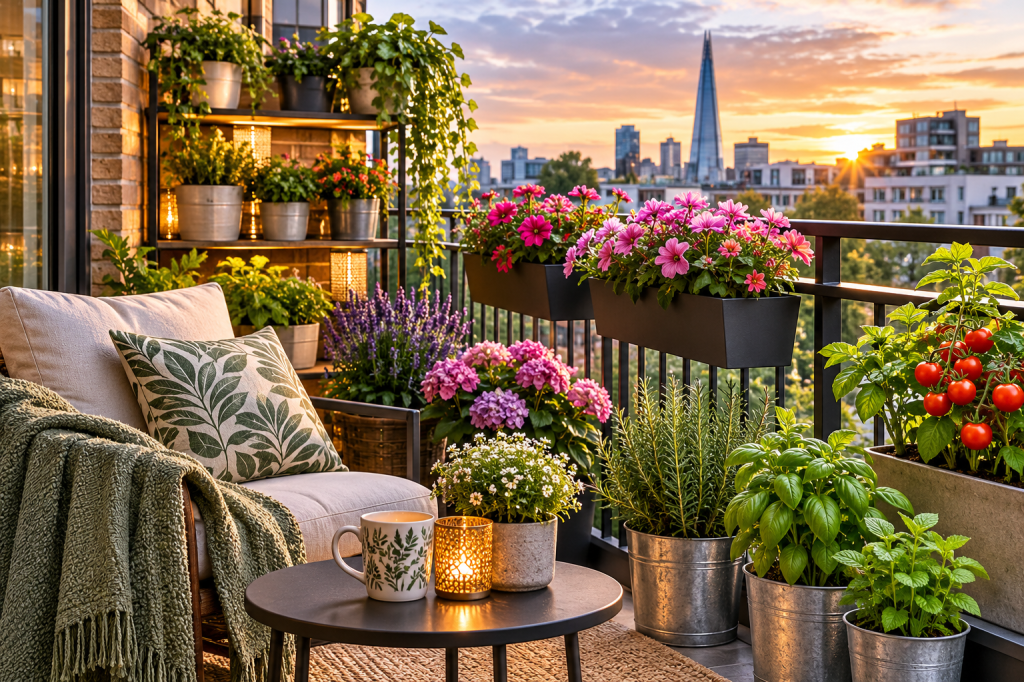
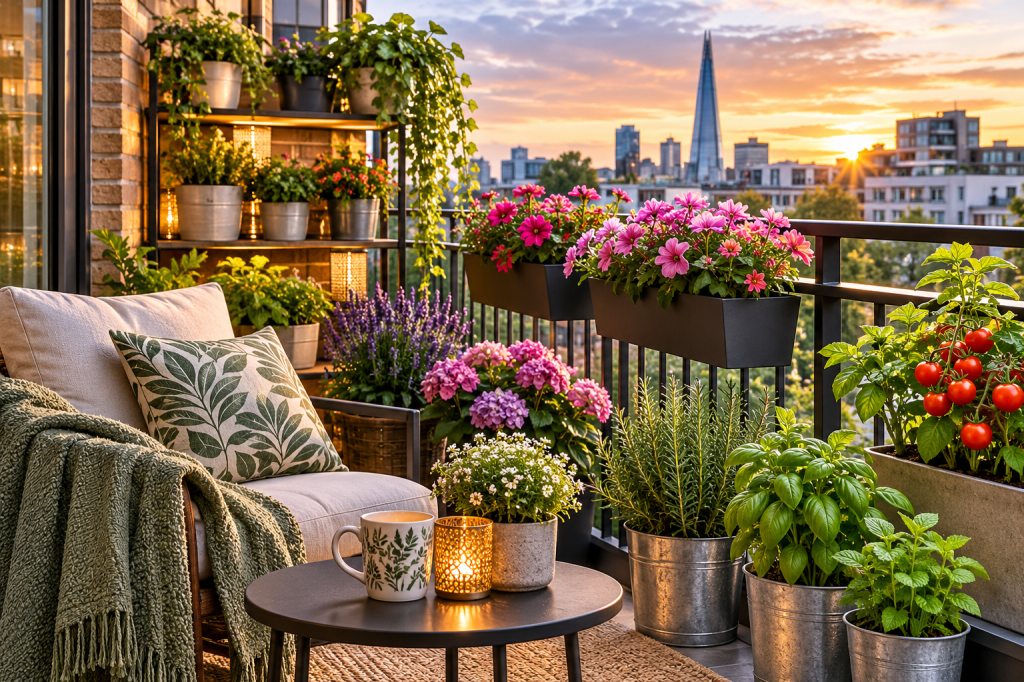
Balcony gardening is becoming an increasingly popular way for people to introduce greenery, nature and outdoor living into their homes. As urban populations grow and residential spaces become more compact, balconies are being transformed into practical and attractive gardens, offering opportunities to grow plants, flowers, herbs and even fresh vegetables without the need for a traditional garden.
For people living in apartments and properties with limited outdoor space, a balcony can provide a valuable connection to nature. What might once have been an unused area for storing household items is increasingly becoming a small outdoor sanctuary designed for relaxation, creativity and everyday enjoyment.
Making the Most of Limited Space
One of the biggest attractions of balcony gardening is its flexibility. Gardening does not necessarily require a large outdoor area, extensive equipment or specialist knowledge. With thoughtful planning, even a relatively small balcony can accommodate a variety of plants.
Hanging baskets, window boxes, railing planters and vertical gardening systems allow people to make use of otherwise unused space. Shelving and tiered plant stands can also provide additional growing areas without taking up too much floor space.
The choice of plants depends on several factors, including available sunlight, exposure to wind, temperature and the size of the balcony. Herbs such as basil, mint, parsley and rosemary can be suitable choices, while flowers and decorative foliage plants can help create a more colourful and welcoming environment.
Growing Fresh Food at Home
Balcony gardening is not limited to decorative plants. Many people are discovering that small outdoor spaces can also support home-grown food.
Tomatoes, salad leaves, strawberries, spring onions and certain varieties of peppers can be grown successfully in suitable containers. Herbs are particularly popular because they require relatively little space and can be used regularly in everyday cooking.
Growing food at home can also encourage greater awareness of seasonal produce and the time and care involved in producing fresh ingredients. Although a balcony garden is unlikely to replace a weekly supermarket shop, it can provide a rewarding way to supplement household food supplies.
The Wellbeing Benefits of Gardening
Gardening is widely recognised as an activity that can support physical and psychological wellbeing. Spending time caring for plants encourages routine, patience and a sense of responsibility.
For some people, watering plants, removing dead leaves or watching flowers develop provides a welcome opportunity to step away from screens and everyday distractions.
Research into nature and wellbeing has also explored the relationship between contact with green spaces, stress levels and mental health. While balcony gardening is not a replacement for professional healthcare, having access to a small area of greenery can make everyday living feel more connected to the natural environment.
A More Sustainable Approach to Urban Living
Balcony gardens can also contribute to a more environmentally conscious lifestyle. Growing herbs and vegetables at home may reduce the need to purchase certain packaged products, while flowering plants can provide food sources for pollinating insects when suitable species are selected.
Plants can also help create habitats for small urban wildlife, particularly in areas where green spaces are limited.
However, successful balcony gardening requires consideration of the surrounding environment. Containers need appropriate drainage, plants must be suitable for local conditions, and water should be managed carefully to avoid creating problems for neighbouring properties.
People living in rented accommodation or flats should also check building regulations, tenancy agreements and any restrictions imposed by property management before installing permanent planters or attaching items to balcony railings.
Designing a Personal Outdoor Sanctuary
Beyond its practical benefits, balcony gardening has become an opportunity for personal expression and home design.
Some people prefer a natural, relaxed appearance with a mixture of foliage, flowers and wooden planters. Others choose a more contemporary style, using coordinated containers, outdoor lighting and compact furniture to create a sophisticated outdoor retreat.
The addition of comfortable seating, carefully selected plants and subtle lighting can transform even a modest balcony into a place for reading, enjoying a morning coffee or unwinding at the end of the day.
Seasonal planting also allows balcony spaces to evolve throughout the year, introducing different colours, textures and scents as the seasons change.
The Future of Balcony Gardening
As urban living continues to influence how people use their homes, balcony gardening is likely to remain an appealing option for those seeking a closer connection with nature.
The growing interest in sustainable living, home-grown food, wellbeing and thoughtful interior and exterior design has helped position small-scale gardening as more than simply a decorative hobby.
Balcony gardening demonstrates that meaningful green spaces do not always require large gardens or extensive resources. With the right plants, a little creativity and regular care, even the smallest outdoor area can become a productive and enjoyable environment.
Ultimately, the rise of balcony gardening reflects a broader desire to bring nature into everyday life. In a world where many people spend much of their time indoors, a few carefully chosen plants can make a surprisingly significant difference to how a home looks and feels.









Leave a Reply