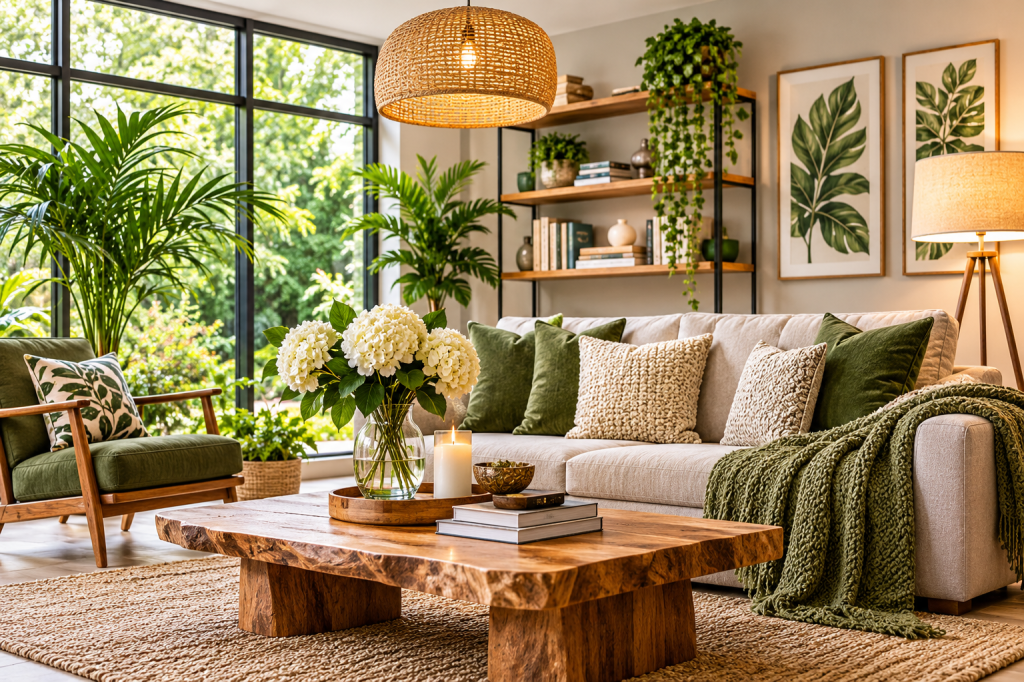
Nature has long been a source of inspiration for interior design, influencing everything from colour palettes and materials to furniture styles and the overall atmosphere of a home. Despite advances in technology, changing fashion trends and the growing popularity of contemporary interiors, natural elements continue to play an important role in how people choose to design and decorate their living spaces.
The connection between nature and interior design is not simply about appearance. It also reflects a growing appreciation for comfortable, calming environments that encourage people to slow down, reconnect with their surroundings and create a more balanced way of living.
Bringing the Outdoors Inside
One of the most recognisable influences of nature in interior design is the use of natural materials. Wood, stone, bamboo, rattan, linen and cotton are frequently incorporated into modern homes because of their textures, warmth and visual character.
These materials can help create interiors that feel welcoming rather than overly artificial. Wooden furniture, stone surfaces, woven accessories and natural fabrics introduce subtle variations in texture, making rooms feel more connected to the natural world.
Houseplants are another popular feature. Beyond adding colour and visual interest, indoor plants can help create a stronger sense of connection with the outdoors. Some plants can also improve indoor air quality by absorbing certain airborne pollutants, although their effect in ordinary homes is generally limited.
The Influence of Natural Colours
Nature provides an extensive colour palette that continues to inspire designers.
Earthy shades such as olive green, warm brown, beige, terracotta, cream and soft grey are regularly used to create understated and adaptable interiors. These colours take inspiration from forests, landscapes, stone, soil and natural light.
Green, in particular, remains a popular choice because it is closely associated with vegetation and the outdoors. Depending on the shade, it can introduce freshness, depth or a more relaxed atmosphere into a room.
Neutral colours also play an important role. Natural whites, sandy tones and muted creams can provide a versatile background, allowing furniture, artwork and decorative features to stand out without overwhelming the space.
Natural Light and Open Spaces
Light is another important element connecting interior design with nature.
Large windows, glass doors, skylights and thoughtfully positioned mirrors can help maximise available daylight. Natural light changes throughout the day, giving rooms a different appearance depending on the time and weather.
Designers increasingly consider how living spaces interact with their surroundings, particularly when planning layouts that offer views of gardens, trees or outdoor landscapes.
Open-plan layouts can also help create a sense of space and improve the flow between different areas of a home. Where possible, connecting indoor living areas with patios, balconies or gardens can strengthen the relationship between the home and its natural environment.
Biophilic Design: More Than a Trend
The influence of nature has developed into a recognised design approach known as biophilic design.
Biophilic design focuses on incorporating elements of the natural world into buildings and interiors. It can include direct connections with nature, such as plants, natural light and water features, as well as indirect connections through natural materials, colours, patterns and textures.
Research into biophilic design has explored its potential relationship with wellbeing, stress reduction, concentration and overall comfort. Although the benefits depend on the individual and the environment, the approach reflects a wider understanding that the spaces people occupy can influence how they feel and function.
This philosophy has become particularly relevant as more people spend significant amounts of time indoors, whether working from home, relaxing or carrying out everyday activities.
Sustainability and Responsible Choices
Environmental awareness has also influenced the popularity of nature-inspired interiors.
Many homeowners are becoming more interested in durable materials, responsibly sourced timber, recycled furniture and products made using environmentally conscious manufacturing methods.
Rather than replacing furniture whenever trends change, some people are choosing timeless designs that can remain part of their homes for many years.
Natural materials can support this approach when they are responsibly sourced and properly maintained. However, it is important to recognise that natural does not automatically mean sustainable. The environmental impact of a product also depends on how it is manufactured, transported, sourced and eventually disposed of.
Choosing quality over quantity can be one way to create a more considered interior while reducing unnecessary consumption.
Creating a More Personal Living Environment
Nature-inspired design does not require a complete home renovation or expensive furniture.
Small changes can make a noticeable difference. Introducing a few indoor plants, using natural fabrics, adding wooden accessories or choosing artwork inspired by landscapes can help bring a more organic character into a room.
The key is finding a balance between natural influences and personal taste. Some people prefer minimalist interiors with subtle earthy details, while others enjoy richer colours, layered textures and rooms filled with plants and natural materials.
There is no single approach that suits every home.
Why Nature’s Influence Endures
Interior design trends regularly change, but the appeal of nature has remained remarkably consistent. Its influence extends beyond fashionable colours or decorative accessories, reflecting a broader desire to create living spaces that feel comfortable, welcoming and connected to the world outside.
As modern lifestyles become increasingly influenced by technology and digital environments, natural elements offer a different kind of design experience. They introduce texture, variation and a sense of familiarity that manufactured finishes alone may not provide.
Ultimately, nature continues to influence interior design because it offers something that goes beyond aesthetics. It provides inspiration for creating homes that feel personal, balanced and enjoyable to live in.
In a world where so much of everyday life takes place indoors, bringing a little of the natural world inside remains an enduring idea.





Leave a Reply