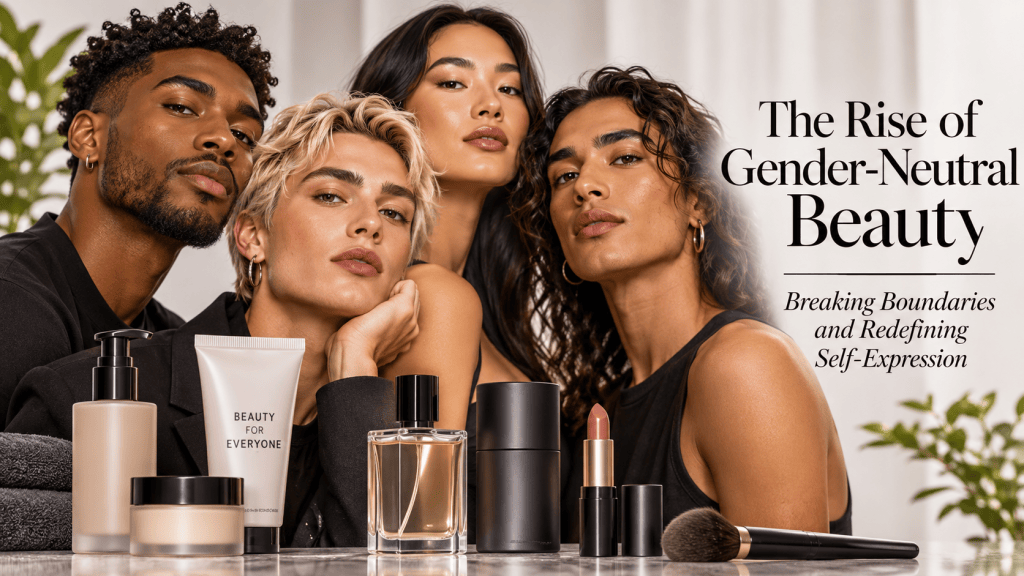
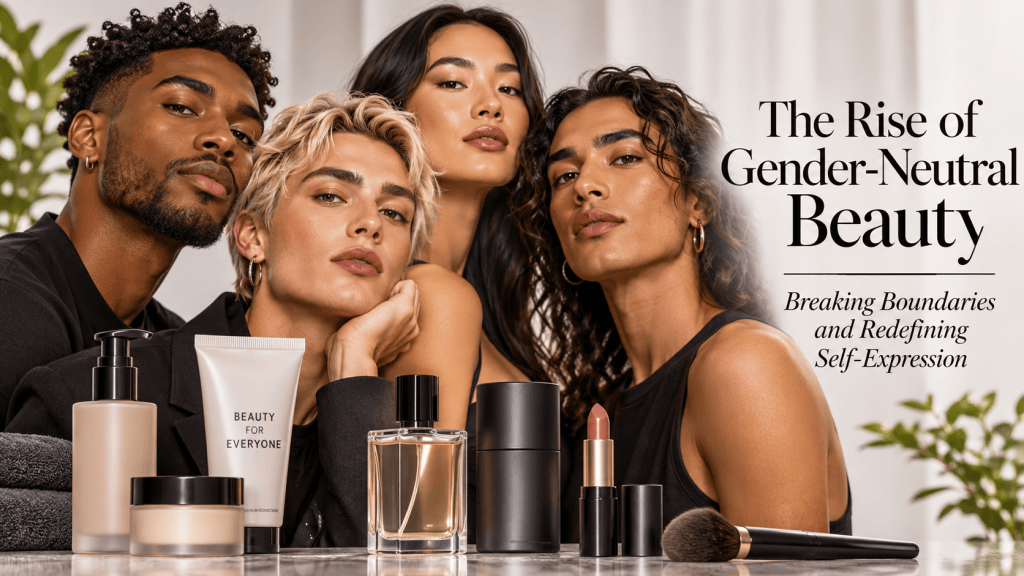
For generations, the beauty industry has largely been divided into clearly defined categories, with products, advertising and packaging traditionally designed around either male or female consumers. However, changing attitudes towards identity, personal expression and individual choice are challenging these conventions.
Gender-neutral beauty is becoming an increasingly visible part of the modern beauty landscape, reflecting a wider cultural shift towards inclusivity, individuality and freedom from traditional expectations.
What Is Gender-Neutral Beauty?
Gender-neutral beauty refers to skincare, cosmetics, grooming and personal care products that are created and marketed without assigning them specifically to men or women.
Rather than focusing on traditional gender categories, the approach places greater emphasis on individual needs, skin types, personal preferences and lifestyle.
This can include everything from moisturisers, cleansers and fragrances to makeup, haircare and body-care products. The central idea is straightforward: beauty products should be available to everyone, regardless of gender.
Challenging Traditional Beauty Standards
Historically, beauty marketing has relied heavily on gender-based assumptions. Women’s products have often been associated with colourful packaging, floral fragrances and anti-ageing claims, while men’s grooming ranges have frequently featured darker packaging, stronger fragrances and language centred on masculinity.
Gender-neutral beauty challenges these long-established marketing approaches.
Consumers are increasingly exposed to the idea that skincare is not exclusively for women, just as makeup, fragrance and other cosmetic products are not exclusively for men.
This change is helping to create a more flexible understanding of beauty, where personal preference matters more than traditional expectations.
The Influence of Younger Consumers
Younger generations have played an important role in bringing gender-neutral beauty into mainstream conversations.
Greater visibility of diverse identities, changing social attitudes and the influence of online communities have helped encourage discussions about how people present themselves.
Social media platforms have also provided opportunities for makeup artists, skincare enthusiasts, beauty professionals and independent creators to share experiences outside traditional beauty categories.
As a result, beauty is increasingly being discussed as a form of individual expression rather than something governed by gender-specific rules.
Skincare Without Gender Labels
One of the most accessible areas of gender-neutral beauty is skincare.
Skin concerns such as dryness, sensitivity, oiliness, acne and signs of ageing are not exclusive to any particular gender. They are influenced by factors including genetics, hormones, environment, lifestyle and individual skin characteristics.
Consequently, many consumers are placing greater importance on ingredients, formulation and suitability rather than whether a product is advertised for men or women.
This approach encourages people to make informed choices based on what their skin actually needs.
Fragrance, Makeup and Personal Expression
The movement is also influencing the fragrance and cosmetics industries.
Traditionally, perfumes have often been divided into masculine and feminine categories, with particular scent profiles marketed towards specific audiences. Gender-neutral fragrances challenge this distinction by focusing on the character of the scent itself.
Similarly, makeup is increasingly being recognised as a creative tool that can be enjoyed by anyone. Whether someone prefers a natural appearance, a more expressive look or no makeup at all, the emphasis is on personal choice.
For many consumers, these changes represent a welcome departure from outdated assumptions about how people should look or present themselves.
How the Beauty Industry Is Responding
Beauty brands are responding to changing consumer expectations through more inclusive product ranges, advertising campaigns and packaging.
Some companies have introduced products specifically designed around gender-neutral branding, while others have simply moved towards marketing existing products according to their ingredients, benefits and intended uses.
However, inclusivity involves more than removing gender labels from packaging. Authentic progress also requires thoughtful product development, accessible marketing and genuine representation of different consumers.
There is also a commercial consideration. A broader approach to beauty allows brands to reach customers who may previously have felt excluded by conventional marketing.
A More Inclusive Future for Beauty
Although gender-neutral beauty is gaining visibility, traditional gender-based marketing remains common across the industry. The change is therefore better understood as an ongoing evolution rather than a complete transformation.
Nevertheless, the direction of travel reflects a wider movement towards personal freedom and individual identity.
Ultimately, beauty should not be restricted by expectations surrounding gender. Whether someone chooses skincare, cosmetics, fragrance or a simple grooming routine, the most important consideration should be what makes them feel comfortable and confident.
The rise of gender-neutral beauty represents more than a change in packaging or advertising. It reflects a growing recognition that self-expression belongs to everyone.









Leave a Reply