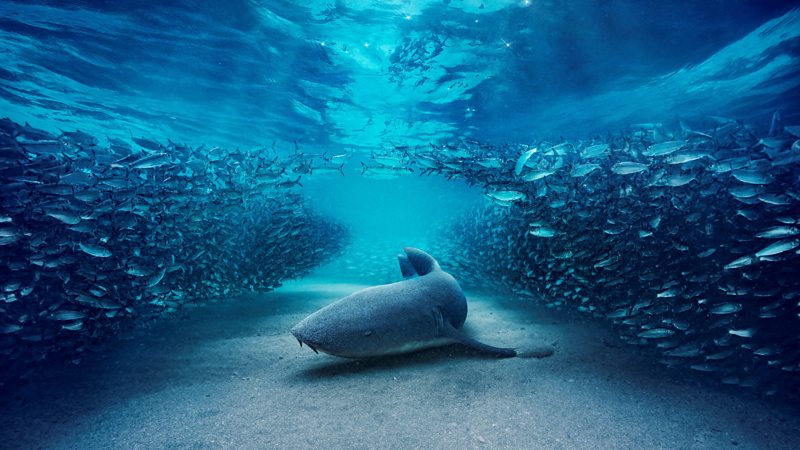
A quarter of a century after the original series transformed our understanding of marine life, Blue Planet returns with extraordinary new discoveries, groundbreaking filming technology and a renewed focus on the future of our oceans.
The BBC’s celebrated natural history series Blue Planet has returned with a highly anticipated third instalment, bringing audiences closer to the extraordinary wildlife and underwater environments that make up our planet’s oceans.
Titled Blue Planet III, the six-part series reunites viewers with legendary naturalist and broadcaster Sir David Attenborough, who returns as narrator, guiding audiences through some of the world’s most remarkable marine habitats.
The new series premiered on BBC One and BBC iPlayer on Sunday 1 November 2026, marking another significant chapter in a television franchise that has helped shape public understanding of the natural world.
A Legacy 25 Years in the Making
The original The Blue Planet first appeared in 2001, offering audiences an unprecedented exploration of the world’s oceans and the extraordinary creatures living beneath the surface.
Its successor, Blue Planet II, arrived in 2017 and attracted international attention, particularly for its powerful examination of plastic pollution and the growing environmental pressures facing marine ecosystems.
Now, almost a decade later, the third series builds upon that legacy, combining scientific discoveries with new filming techniques to reveal underwater behaviours and environments that have rarely, if ever, been captured on camera.
Discovering a Hidden Underwater World
Blue Planet III explores five major marine environments: tropical seas, the open ocean, seasonal seas, polar waters and the deep ocean.
Across these habitats, viewers are introduced to remarkable wildlife stories, including dolphins using sea sponges as tools to help them catch prey, unusual hunting techniques and previously undocumented animal behaviours.
The production also captures the challenges facing marine creatures as they adapt to changing environmental conditions.
From the smallest marine organisms to some of the largest animals on Earth, the series aims to demonstrate how interconnected ocean ecosystems really are.
Technology Takes Underwater Filming Further
One of the most significant aspects of the new series is the technology developed to capture its extraordinary footage.
BBC Studios’ Natural History Unit has employed innovative equipment, including splash drones, long-term underwater cameras and specialised miniature camera systems.
These developments have allowed filmmakers to explore environments and record animal behaviour that traditional filming methods could not easily capture.
The result is a new perspective on marine life, offering audiences a closer look at the complexity of underwater ecosystems and the extraordinary adaptations that allow different species to survive.
Beyond Spectacle: The Future of Our Oceans
Although the series celebrates the beauty and diversity of marine wildlife, it also recognises the environmental challenges facing the world’s oceans.
Climate change, pollution and the deterioration of important marine habitats continue to place pressure on wildlife.
Rather than concentrating exclusively on environmental damage, Blue Planet III also explores resilience, adaptation and examples of recovery.
Its sixth and final episode, titled Future Seas, turns attention towards the future of marine environments and the importance of protecting them for generations to come.
The series therefore offers more than spectacular natural history filmmaking. It also encourages audiences to consider the relationship between human activity and the health of the planet’s oceans.
A Musical Collaboration
Adding another dimension to the production is an original musical collaboration between singer-songwriter JADE and Academy Award-winning composer Hans Zimmer, working alongside Thom Lukas of Bleeding Fingers Music.
Their specially created title track, Into The Deep (Seas Cry), accompanies the return of the landmark natural history franchise.
The collaboration brings together contemporary music and cinematic composition, reflecting the ambition and scale of the new production.
An Important Return for Natural History Television
Blue Planet III represents another major achievement for the BBC’s Natural History Unit, continuing a tradition of wildlife filmmaking that has introduced generations of viewers to the wonders of the natural world.
With Sir David Attenborough once again providing the narration, the series combines established storytelling with modern technology and new scientific discoveries.
Twenty-five years after the original programme first introduced audiences to the remarkable diversity of ocean life, there is still much to discover beneath the waves.
Ultimately, Blue Planet III reminds viewers that the oceans are not simply vast expanses of water. They are complex, interconnected ecosystems supporting an extraordinary variety of life, and their future remains closely linked to our own.
Blue Planet III is available on BBC One and BBC iPlayer.









Leave a Reply