What’s a book or movie that genuinely scared you?
Books and movies have a remarkable ability to influence human emotions. They can make us laugh, cry, feel inspired, experience excitement and, at times, genuinely frightened. Whether through the written word or moving images on a cinema screen, storytelling has the power to take audiences beyond their everyday surroundings and immerse them in experiences that feel surprisingly real.
One of the most fascinating aspects of storytelling is its ability to create fear. A well-written horror novel or carefully produced horror film can make an audience feel uncomfortable, anxious or even reluctant to enter a dark room alone. Although the audience understands that the story is fictional, the emotional and physical responses it creates can be very real.
How Books Create Emotional Connections
Reading is a uniquely personal experience. Unlike watching a film, readers must use their imagination to construct characters, locations, conversations and events from the words on a page.
Authors can use descriptive language, suspense, atmosphere and carefully developed characters to create powerful emotional connections. A frightening scene might be described through unfamiliar sounds, an unexplained movement or the feeling that somebody is watching from the darkness.
Because readers create much of the imagery themselves, the experience can be particularly personal. Two people reading the same horror novel may imagine entirely different versions of the same frightening scene.
Books also allow readers to spend considerable time inside a character’s thoughts. This can strengthen emotional involvement, making their fears, losses, happiness and personal struggles feel more meaningful.
How Movies Bring Emotions to Life
Cinema uses a different combination of storytelling techniques. Instead of relying primarily on imagination, filmmakers combine visual imagery, acting, music, sound effects, lighting, camera movement and editing to influence how an audience experiences a story.
A sudden change in music, an unusually quiet scene or a shadow appearing in the background can create tension before anything frightening actually happens.
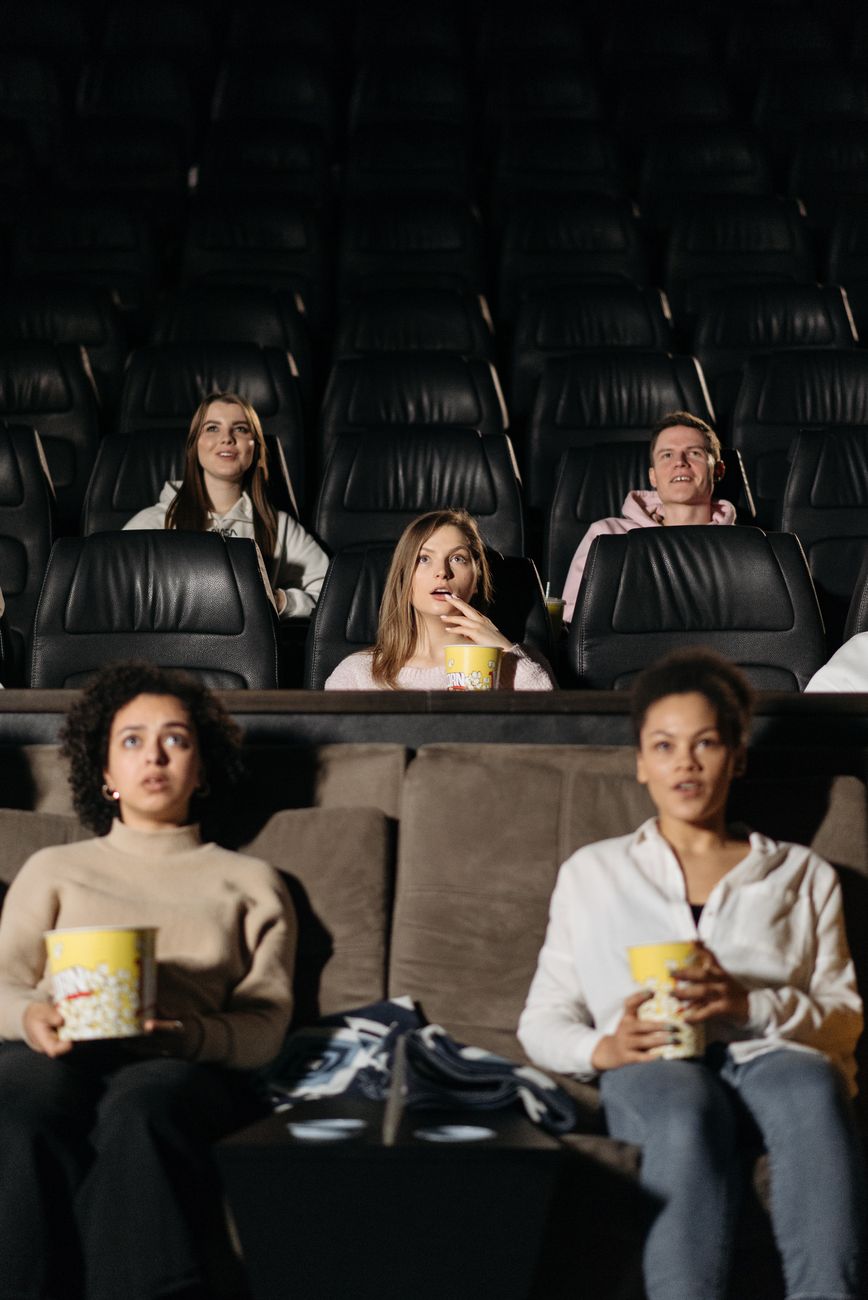
Sound is particularly important in horror filmmaking. Sometimes, what an audience cannot see can be more frightening than what appears on screen. A distant noise, a creaking door or an unexplained whisper can encourage viewers to anticipate something disturbing.
Filmmakers understand that fear is not necessarily created by showing a frightening event. Often, the anticipation of something happening is just as effective.
The Conjuring: An Example of How Film Creates Fear
The Conjuring, released in 2013 and directed by James Wan, provides an excellent example of how cinema can create a powerful emotional response.
The supernatural horror film follows paranormal investigators Ed and Lorraine Warren as they investigate a series of disturbing events experienced by the Perron family after moving into a farmhouse in Rhode Island.
Inspired by the reported experiences of the Perron family and the investigations associated with the Warrens, the film combines supernatural themes with traditional horror techniques to create an atmosphere of uncertainty and tension.
One reason the film is effective is its use of suspense. Rather than relying entirely on constant frightening imagery, it frequently builds anticipation through silence, darkness, unusual sounds and carefully controlled camera movements.
The audience is often encouraged to look into empty spaces, watch dark corners or anticipate something appearing unexpectedly.
The film also uses its characters to strengthen the emotional experience. The Perron family are presented as ordinary people facing circumstances they cannot easily understand or control. This makes the fictionalised events more unsettling because viewers can imagine how frightening such an experience might feel.
Music and sound design also play an important role. Quiet moments create opportunities for tension to build, while sudden sounds and unexpected appearances can trigger a startle response.
The result is a film that demonstrates how effectively visual storytelling can influence human emotions.
It is important to distinguish between the film’s dramatisation and independently established facts. Although the story draws on claims associated with the Perron family and the Warrens, its supernatural events should not be treated as scientifically verified evidence of paranormal activity.
Why Do We Enjoy Being Frightened?
An interesting question surrounding horror films and books is why people deliberately choose to experience fear when it is generally an emotion they try to avoid in everyday life.
Part of the explanation is that fictional fear takes place within a controlled environment. Audiences understand, at least consciously, that they are watching actors perform a story or reading something that has been invented.
The brain and body can nevertheless respond to frightening material with increased alertness, a faster heartbeat and heightened attention. These reactions can make horror particularly intense.
For some people, the attraction comes from the excitement of suspense and the satisfaction of reaching the end of a frightening story. Others enjoy discussing the experience with friends or testing how much fear they can tolerate.
Psychologists have explored the relationship between fear, excitement and entertainment, although individual reactions vary considerably. What one person finds terrifying may be completely unremarkable to somebody else.
The Emotional Power of Storytelling
Fear is only one part of what makes books and movies so influential.
A powerful novel can help readers understand grief, love, friendship, ambition and personal sacrifice. A film can communicate happiness, heartbreak or hope through a single expression, a musical passage or a carefully constructed scene.
Stories can also encourage empathy by allowing audiences to experience situations from perspectives different from their own.
They can introduce people to unfamiliar cultures, historical periods, difficult social issues and experiences they may never encounter personally.
Whether through literature or cinema, storytelling provides an opportunity to explore emotions in ways that everyday life does not always allow.
Conclusion: More Than Just Entertainment
Books and movies are far more than ways to pass the time. They are forms of storytelling that can influence how people think, feel and connect with the world around them.
From the suspense of a horror novel to the unsettling atmosphere of The Conjuring, stories demonstrate how effectively human emotions can be influenced through imagination, sound, imagery and carefully constructed narratives.
Perhaps the greatest achievement of a good story is its ability to make somebody feel something long after the final page has been turned or the cinema lights have come back on.
A frightening scene may stay in someone’s memory for years. A moving book may change the way they view a particular subject. A film may bring tears to their eyes or leave them thinking about its message long after watching it.
Ultimately, that is the remarkable power of storytelling: it does not simply show us something happening. It allows us to feel as though we are experiencing it ourselves.









Leave a Reply