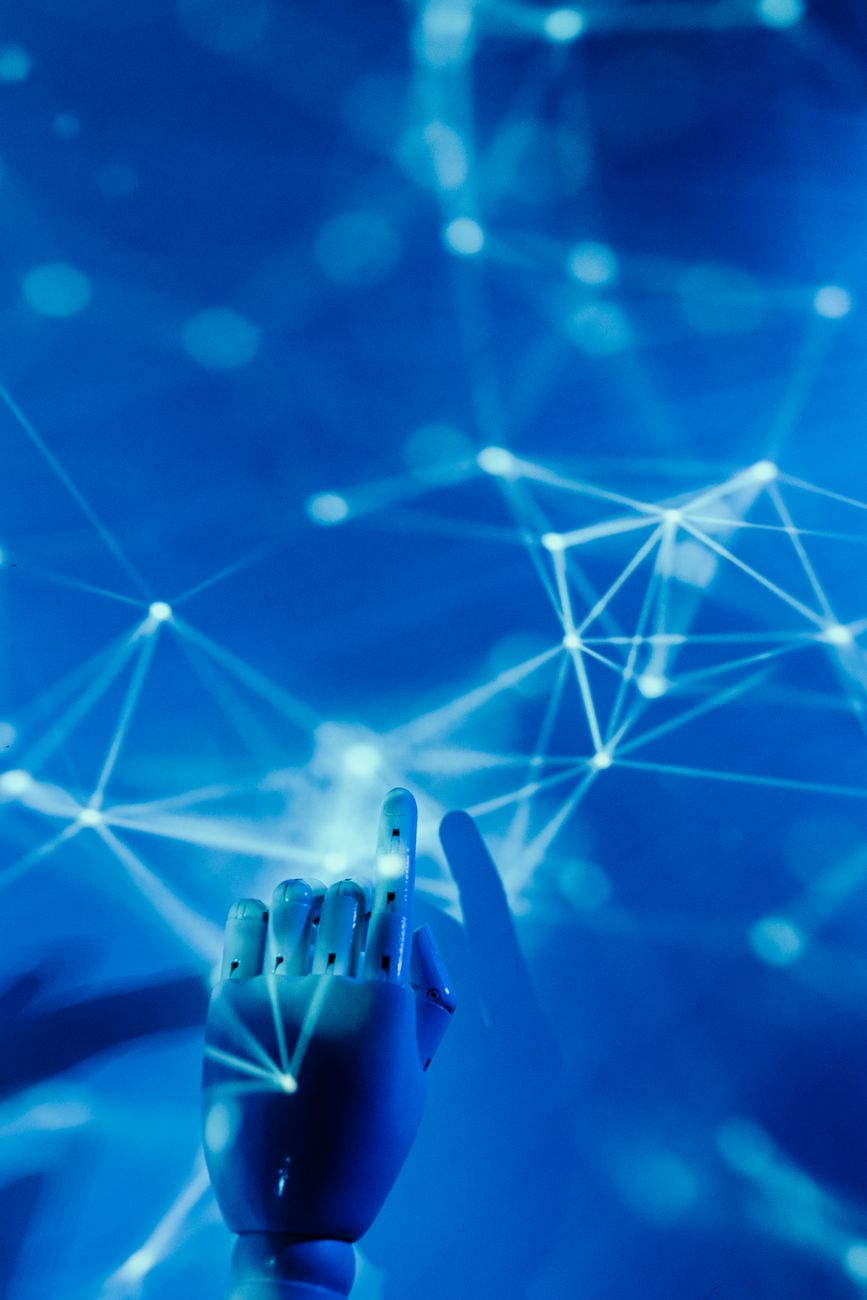
Artificial intelligence is changing the way people approach creativity, offering new opportunities for writing, photography, music, art, design and countless other personal interests. Tasks that once required specialist software or technical knowledge can now be explored with the help of AI-powered tools, making creative activities more accessible to people from different backgrounds and experience levels.
However, as artificial intelligence becomes more widely used, an important question emerges: will technology help people become more creative, or could it gradually replace the imagination and individuality that make human creativity distinctive?
Making Creativity More Accessible
For many people, the desire to create something has always been accompanied by practical barriers. Learning to draw, composing music, editing photographs or developing a written story can require considerable time, patience and technical skill.
AI tools can help reduce some of these barriers.
For example, someone interested in writing can use AI to explore possible storylines, organise their thoughts or overcome the frustration of a blank page. An aspiring photographer might use AI-powered editing tools to experiment with different visual styles, while someone interested in graphic design can explore layouts and concepts without years of professional training.
These technologies can also help people experiment with ideas they might otherwise have abandoned because they lacked the confidence or resources to pursue them.
Research into generative AI and creativity suggests that working with these systems can improve performance on certain creative tasks, particularly when people use them to develop and explore ideas rather than simply accept the first result.
Nevertheless, accessibility does not automatically translate into originality. The challenge is learning how to use technology to support personal expression rather than allowing it to make every creative decision.
The Relationship Between Human Imagination and AI
Human creativity is influenced by a combination of personal experiences, emotions, memories, cultural influences, education and individual perspectives.
A piece of writing, for instance, may be shaped by a person’s childhood, relationships, disappointments or observations of everyday life. A photograph can capture a moment that holds particular significance for the photographer, while a piece of music may communicate feelings that are difficult to express through ordinary conversation.
Generative AI works differently. It produces content by identifying patterns in data and generating outputs in response to instructions. Although the results can appear imaginative or original, the process is not the same as human experience and expression.
This distinction matters because creativity involves more than producing an attractive image, an engaging story or an interesting melody. It can also involve deciding what deserves to be expressed and understanding why a particular idea matters.
AI can help someone explore different possibilities, but the human creator remains responsible for deciding which ideas are meaningful, appropriate and worth developing.
The future of personal creativity may therefore depend less on whether people use AI and more on how they choose to work with it.
Can AI Help People Discover New Talents?
One potential benefit of AI is its ability to encourage experimentation.
Someone who has never written a short story might use an AI assistant to explore different narrative structures. A person interested in interior design could experiment with room layouts, while a beginner learning a musical instrument might use digital tools to understand musical theory or organise a practice routine.
This can make the early stages of learning feel less intimidating.
AI can also provide suggestions, explain unfamiliar concepts and help users identify different approaches to a creative challenge. For people exploring a new hobby, these capabilities may offer a useful starting point.
However, genuine creative development still requires practice. Writing improves through writing, photography develops through observation and experimentation, and artistic skills grow through repeated effort and evaluation.
If someone relies entirely on AI to produce the finished result, they may miss opportunities to develop their own abilities.
The most productive approach is to use technology to support learning while continuing to practise the underlying skill.
The Risk of Losing Individuality
Although AI can generate numerous ideas quickly, there is a potential disadvantage when many people rely on similar systems for inspiration.
AI-generated suggestions can sometimes lead users towards familiar patterns, predictable concepts or similar styles. Research published in recent years has identified a tension between improving individual creative output and maintaining diversity across the ideas produced by different people.
This creates an interesting challenge for anyone who values originality.
If a writer accepts every suggested phrase, a designer uses every recommended layout or a photographer relies exclusively on automated visual effects, the finished work may gradually lose some of the personal decisions that distinguish one creator from another.
Convenience can be valuable, but it should not come at the expense of independent thought.
One practical way to avoid this is to begin a creative project without AI. Write down personal ideas, sketch an initial design or experiment with a camera before asking technology for assistance.
Once an initial direction has been established, AI can be introduced to explore alternatives, identify weaknesses or suggest improvements.
This approach preserves an important role for independent thinking while still allowing people to benefit from technological assistance.
Creativity as a Form of Personal Wellbeing
Creative activities can offer benefits beyond the production of something tangible.
Reading, painting, writing, gardening, photography and making music can provide opportunities for concentration, self-expression and enjoyment. For some people, these activities also offer a welcome break from work, household responsibilities and the constant demands of digital communication.
The process itself can be as important as the finished result.
Spending an afternoon writing in a notebook, learning a new musical technique or working on a painting allows someone to engage with an activity at their own pace. Mistakes become part of the learning process, while gradual improvements can provide a sense of achievement.
AI can support these experiences, but it can also change their nature if the emphasis shifts entirely towards obtaining quick results.
For example, asking AI to generate a complete story is different from developing a story through personal reflection, experimentation and revision. Both approaches can produce a finished piece of writing, but the experience of creating it is different.
For those who use creativity as a form of relaxation or personal development, maintaining an active role in the process may be particularly important.
Technology should enhance the experience where possible, rather than remove the parts that make it rewarding.
The Importance of Creative Independence
As AI tools become increasingly sophisticated, learning to use them thoughtfully may become an important part of modern creative life.
This does not mean people need to reject AI or avoid using it for personal projects. Instead, creative independence involves understanding when technology is useful and when it is better to rely on personal judgement.
There are several practical ways to maintain this balance.
Start with your own ideas. Before asking AI for suggestions, spend time thinking about what you want to create and why it matters to you.
Experiment beyond the first answer. Treat AI-generated suggestions as possibilities rather than instructions. Explore alternatives and develop ideas that reflect your own perspective.
Keep practising your skills. Continue writing, drawing, photographing, composing or designing without assistance. Independent practice helps maintain confidence and develop ability.
Check information and originality. AI can produce inaccurate information and material that resembles existing work. Verify factual claims, review the originality of your output and consider the relevant copyright and usage rules.
Retain personal responsibility. The person using AI should make the final decisions about the content they publish or share, including its accuracy, suitability and presentation.
These habits can help ensure that technology remains a useful resource rather than becoming a substitute for personal judgement.
What Does the Future Hold?
The relationship between AI and personal creativity will continue to evolve as new tools and capabilities emerge.
Writers may use AI to organise research and explore narrative possibilities. Artists may combine traditional techniques with digital tools, while musicians may experiment with AI-assisted composition. Photographers, filmmakers and hobbyists may discover new ways to develop their ideas and share their work.
Some creative tasks will become faster and easier, while others will continue to depend heavily on experience, interpretation and individual judgement.
There will also be continuing discussions about authorship, copyright, the use of existing creative works in AI training and the distinction between human-made and AI-generated content.
These questions are important because creative work has both personal and economic value. Artists, writers, musicians and other professionals have legitimate interests in how their work is used, credited and protected.
For individuals exploring creativity as a hobby, the central consideration may be simpler: how can technology help them express themselves without taking away the enjoyment of creating something independently?
There is unlikely to be one answer for everyone. Some people will prefer traditional methods, others will embrace AI, and many will combine the two.
The important factor will be the freedom to make that choice deliberately.
Conclusion: Technology Should Support the Creator
Artificial intelligence is opening new possibilities for personal creativity, helping people explore ideas, experiment with different approaches and overcome some of the practical barriers associated with creative activities.
Its benefits, however, should not overshadow the importance of human imagination, independent thought and personal expression.
Creativity is not simply about producing something quickly. It can also involve learning a skill, discovering a new interest, communicating an experience or finding satisfaction in the process of making something.
AI can contribute to that journey, but it does not need to control it.
The most promising future may be one in which technology expands what people can explore while leaving room for the individuality, curiosity and human judgement that give creative work its character.
Ultimately, the purpose of personal creativity is not merely to produce more. It is to discover what we can express, what we can learn and what makes our own perspective worth sharing.








Leave a Reply