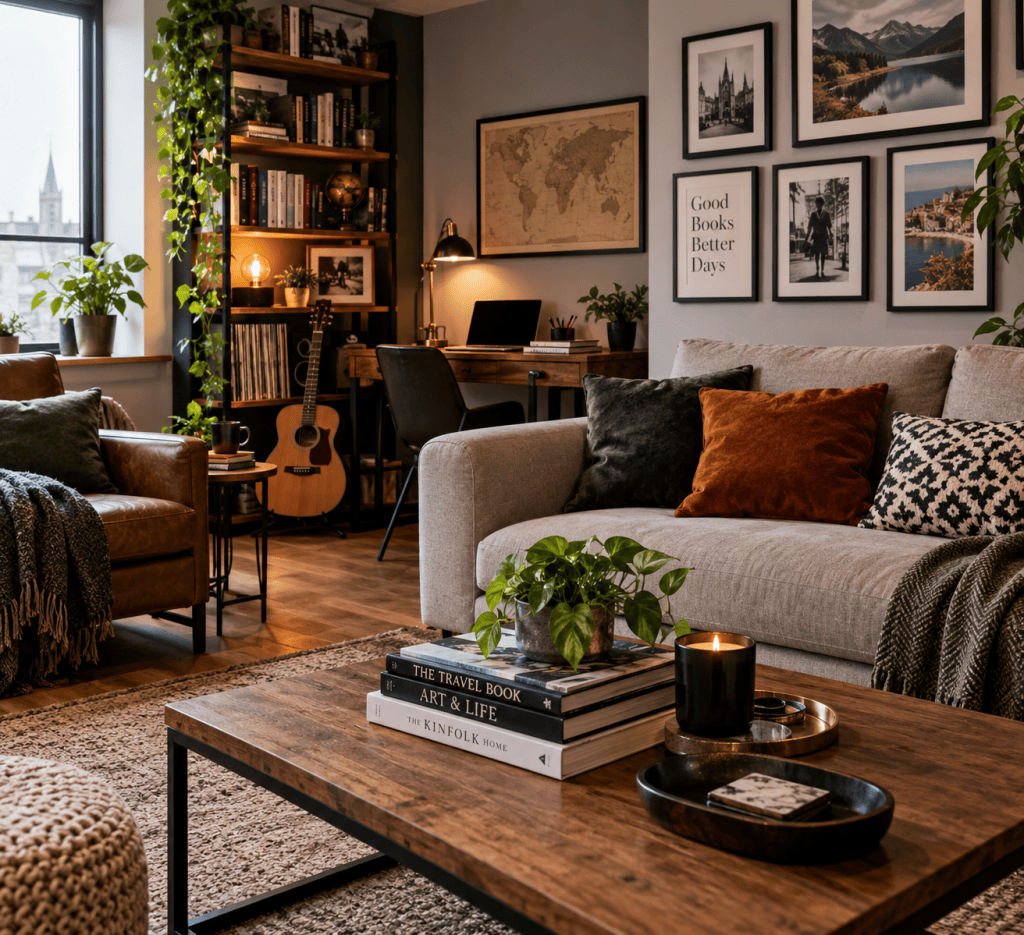
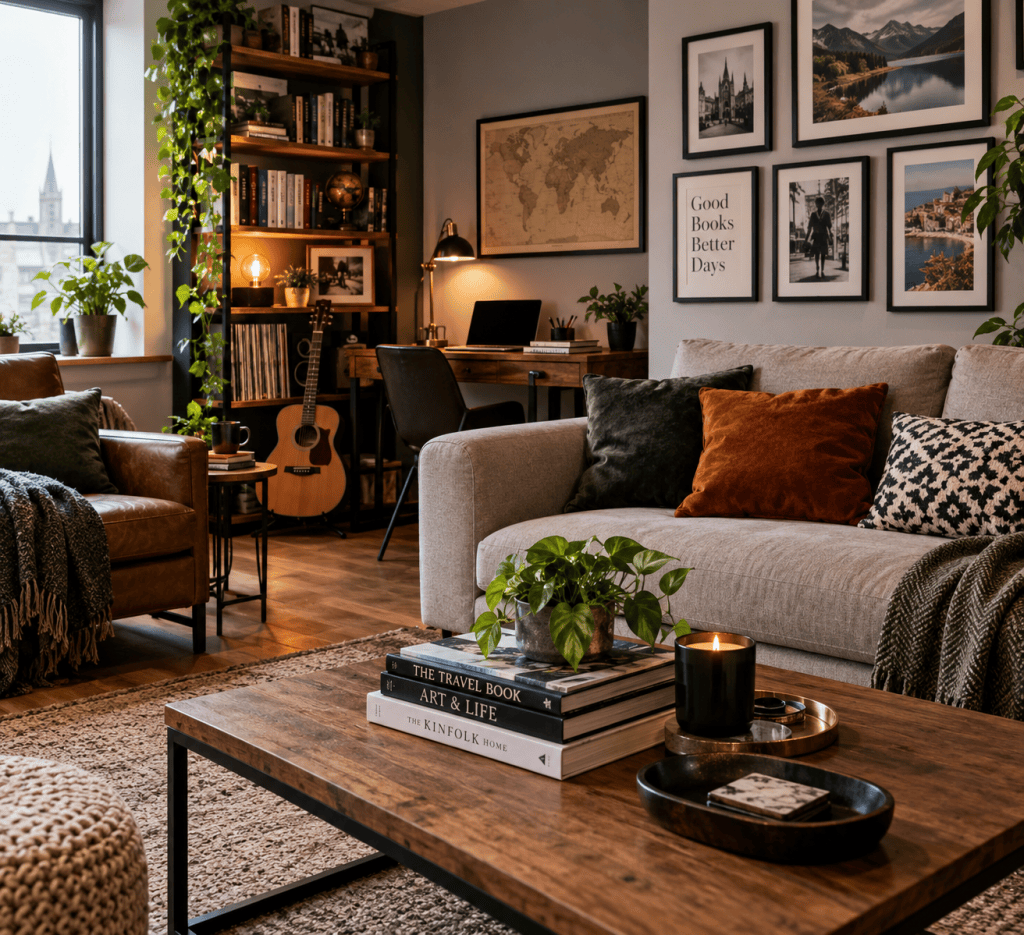
A home is more than a place to live. It is a personal environment that can reflect our interests, values, experiences and individual sense of style. From the colours we choose to the books we display, the furniture we select and the objects we surround ourselves with, our living spaces can offer a glimpse into who we are. Creating a home that reflects your personality is not necessarily about following interior design trends or spending large amounts of money. Instead, it is about developing a space that feels comfortable, meaningful and genuinely personal.
Understanding Your Personal Style
Interior design offers countless possibilities, but the most satisfying homes often begin with a clear understanding of individual preferences. Some people appreciate minimalist interiors, characterised by clean lines, uncluttered surfaces and neutral colours. Others prefer traditional furnishings, decorative accessories, rich colours or rooms filled with objects that hold personal significance.
There is no single correct approach. The important consideration is whether your surroundings suit your tastes and the way you live.
Taking time to identify the colours, materials, furniture styles and decorative features you naturally gravitate towards can help establish a consistent direction. Inspiration can come from architecture, travel, fashion, nature, art or even a favourite period in history.
Rather than copying an entire room from a magazine or social media, consider which individual elements appeal to you and how they could be incorporated into your own home.
The Importance of Colour
Colour plays an important role in interior design because it influences the visual character of a room and can affect how people perceive a space.
Lighter colours can help a room feel brighter and more open, particularly where natural light is limited. Darker shades can introduce depth and create a more intimate atmosphere. Meanwhile, carefully selected accent colours can add character without overwhelming the overall design.
Personal preference should guide these decisions. Someone who enjoys calm surroundings might favour soft neutrals, muted greens or gentle blues. A person with a more expressive style might prefer bold colours, contrasting patterns or distinctive decorative features.
There is also no requirement to use the same colour scheme throughout the entire property. Different rooms can have their own identities while retaining a sense of visual connection through complementary colours, materials or furnishings.
Surrounding Yourself with Meaningful Objects
A home becomes more personal when it contains objects that tell a story.
Photographs, artwork, books, souvenirs, family heirlooms and collections can all contribute to a living environment that feels individual rather than generic. These items may represent important memories, personal achievements, favourite interests or experiences that have helped shape someone’s life.
Displaying meaningful objects does not mean filling every available surface. A carefully chosen photograph, a favourite painting or a small collection of books can have more impact than a room crowded with decorative accessories.
The aim is to make deliberate choices about what deserves a place in your surroundings.
Books, for example, can serve both practical and decorative purposes. A well-organised bookshelf can introduce texture and colour while reflecting an interest in literature, history, philosophy or other subjects.
Similarly, artwork can communicate personal taste without requiring an extensive collection or a significant financial investment. Prints, independent artists’ work and personally created pieces can all contribute to a distinctive interior.
Furniture That Combines Style and Comfort
Furniture is one of the most influential elements of a home’s character. Its appearance, arrangement and practicality affect both the atmosphere of a room and how effectively it serves everyday needs.
Some people prefer contemporary furniture with simple shapes, while others appreciate traditional wooden pieces, vintage designs or furniture with visible craftsmanship.
Combining different styles can also work well. An older piece of furniture can provide character in a modern room, while contemporary lighting or accessories can refresh a traditional interior.
The key is to create a balance that feels intentional rather than purchasing every item from the same collection.
Comfort and functionality are equally important. A beautifully designed living room may look impressive, but it should also provide somewhere to relax, read, entertain guests or enjoy time alone.
Choosing furniture that suits your daily routines can make a home more enjoyable while ensuring that its appearance does not come at the expense of practicality.
Creating Space for Your Interests
One of the simplest ways to make a home reflect your personality is to dedicate space to the activities you enjoy.
A reading corner with a comfortable chair and good lighting can encourage regular reading. A desk or writing area can provide a practical environment for creative projects. Music enthusiasts might choose to display records, instruments or carefully selected audio equipment.
For those interested in fitness, a small exercise area can make physical activity more accessible. People who enjoy gardening can introduce houseplants or create a dedicated space for caring for them.
These areas do not need to occupy entire rooms. Even a small, thoughtfully arranged corner can make an important difference.
The principle is straightforward: a home should support the life you want to live, rather than existing solely to look attractive to visitors.
The Appeal of Simplicity
Creating a home that reflects your personality does not necessarily require extensive decoration. In some cases, simplicity allows personal style to become more visible.
A carefully selected collection of furniture, a few meaningful objects and an uncluttered layout can create a space that feels considered and comfortable.
Reducing unnecessary possessions can also help people make better use of their available space. It encourages them to think about which objects they genuinely value and which items are present simply because they were purchased impulsively or accumulated over time.
However, minimalism is not a universal solution. For some individuals, a room filled with books, artwork, plants and treasured possessions feels far more personal than a sparsely furnished interior.
The objective is not to achieve a particular aesthetic standard. It is to find a level of simplicity or decoration that suits your personality and practical needs.
Making a Home Personal on a Budget
Personalising a home does not have to involve expensive renovations or designer furniture.
Rearranging existing furniture, changing soft furnishings, introducing plants or displaying personal photographs can alter the appearance of a room without significant expenditure.
Second-hand furniture and vintage accessories can also offer opportunities to find distinctive pieces, often at lower prices than comparable new items. Repairing, restoring or repainting an existing piece may provide an affordable alternative to replacing it.
Artwork can be created personally or sourced from affordable prints, while simple changes to lighting can influence the atmosphere of a room.
Taking a gradual approach also has advantages. Rather than attempting to furnish an entire property immediately, homeowners and renters can make considered decisions over time.
This allows their interiors to develop naturally as their tastes, interests and circumstances change.
A Home That Evolves with You
Personal style is not necessarily fixed. Our interests, priorities and circumstances can change throughout our lives, and our homes can evolve alongside us.
A room that once reflected a particular hobby might eventually serve a different purpose. Furniture may be rearranged to accommodate changing needs, while new artwork or treasured possessions can introduce different influences.
Allowing a home to develop over time can make it feel more authentic than attempting to create a finished interior according to a rigid plan.
It is also worth remembering that a home does not need to impress everyone. Interior design preferences are subjective, and a space that feels perfect for one person may not appeal to another.
The most important consideration is whether the environment supports your comfort, wellbeing and everyday activities.
Conclusion: Your Home, Your Identity
Creating a home that reflects your personality is ultimately about making thoughtful choices that express who you are and how you want to live.
Colour, furniture, lighting, artwork, books and personal possessions can all contribute to an environment that feels individual. Equally, the way a room is organised and the activities it supports can influence how connected we feel to our surroundings.
There is no requirement to follow every interior design trend, purchase expensive furnishings or achieve a professionally styled appearance. A meaningful home can be created through small changes, personal creativity and an appreciation of the things that genuinely matter.
In a world where trends and visual influences are constantly changing, a home offers an opportunity to create something more enduring: a personal space shaped by individual taste, everyday experiences and the freedom to live comfortably.
Ultimately, the best-designed home is not necessarily the one that looks most impressive in photographs. It is the one that feels like yours.









Leave a Reply